
Frederick Roberts, 1st Earl Roberts
Victorian-era British field marshal (1832–1914), noted for campaigns in India, Afghanistan and South Africa, decorated leader and influential reformer of the late British Army.
Overview
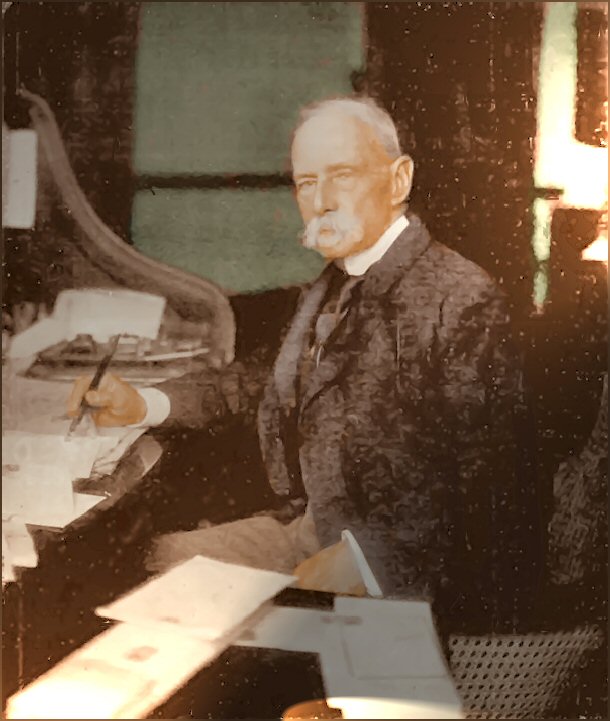
Field Marshal Frederick Sleigh Roberts, 1st Earl Roberts (30 September 1832 – 14 November 1914), was one of the most prominent British commanders of the late Victorian era. Born in Cawnpore (now Kanpur) in India, he rose through service in the Indian subcontinent and on imperial frontiers to command large expeditions and to serve as a senior army leader. He combined frontline experience with public popularity and played a major role in debates about army organisation and reform.
Image gallery
10 Images



Early life and military beginnings
Roberts came from an Anglo‑Irish military family and regarded himself as Anglo‑Irish. Commissioned into the British Indian Army, he saw early service during the Indian Rebellion of 1857 and in a series of frontier operations. His conduct in active service brought rapid promotion and marked him as a commander who excelled in mobility, logistics and rapid marches—qualities that defined several of his later campaigns.
Major campaigns and commands
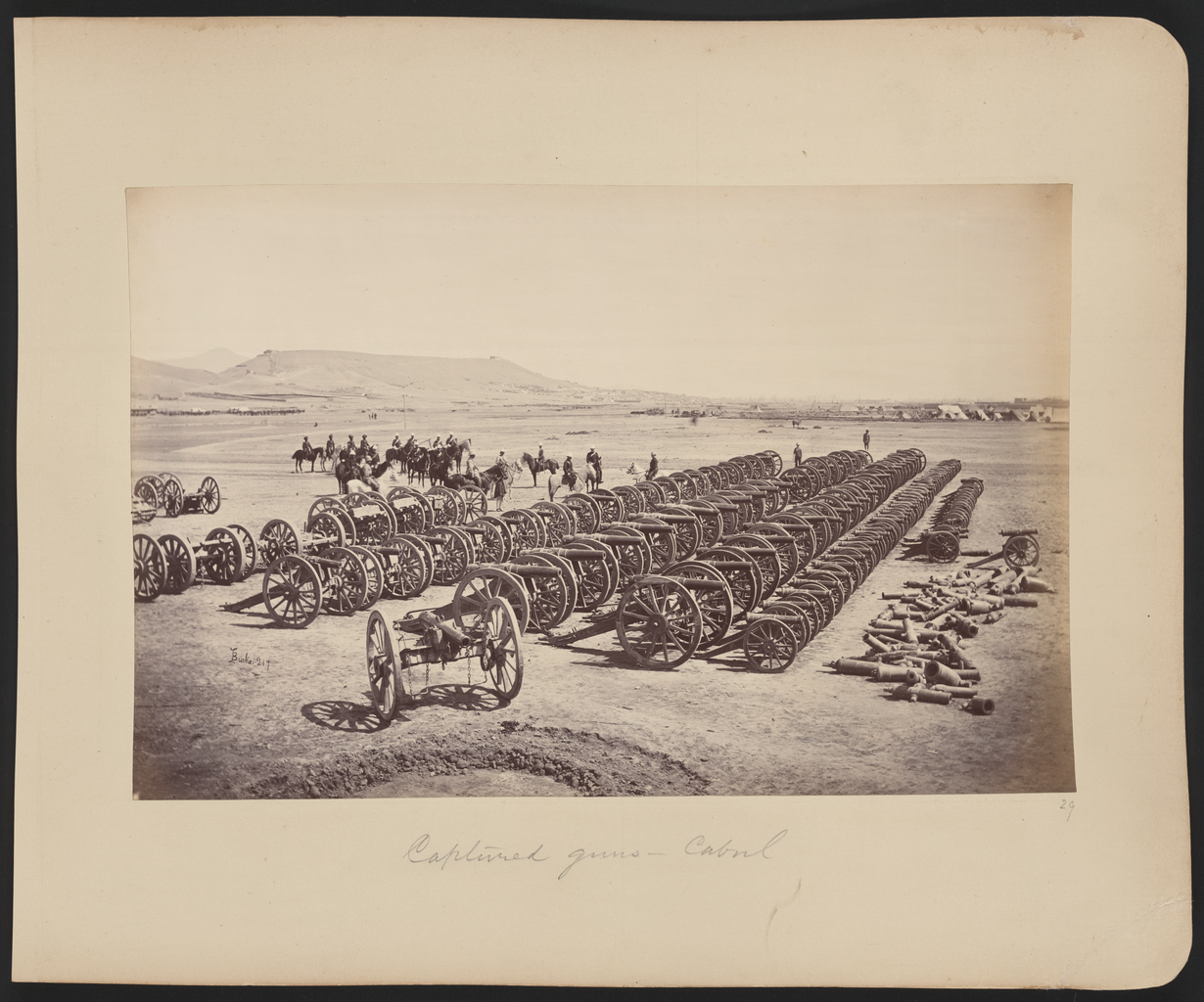
Roberts led and influenced operations across the British Empire. His notable roles included service in the Indian theatre, commanding relief expeditions in the northwest frontier regions, and a famous forced march to relieve a besieged garrison in Afghanistan. Later, during the South African (Second Boer) War, he assumed overall command at a critical phase and directed large-scale operations that altered the course of the conflict. Roberts’s preference for mounted troops and well‑maintained supply lines was a recurring feature of his campaigns.
Leadership, reform and public role
Beyond battlefield achievements, Roberts served in senior administrative posts, including the highest army commands in India and later in Britain. He was an outspoken advocate for soldier welfare, modern training, and organisational reform. His public standing made him a celebrated figure at home and in parts of the Empire, and he used that influence to press for improvements in recruitment, equipment and the professional education of officers.
Honours and legacy
Roberts received many honours during and after his career, including the Victoria Cross and a peerage. He was widely commemorated in the UK and across the Empire during the early 20th century. Military historians note both his operational skill and his role in shaping the British Army as it entered the 20th century; historians also debate the long‑term effects of imperial campaigns he led. His life remains a reference point for studies of Victorian military leadership.
Further reading and resources
- Biographical overview
- Honours and decorations
- Court and state appointments
- Service record and citations
- Order and knighthood details
- Context within the British Empire
- Birth and early India links
- Cawnpore / Kanpur historical notes
- Uttar Pradesh regional background
- Family military background
- County Waterford connections
- Anglo‑Irish identity and biography
Questions and answers
Q: Who was Frederick Roberts?
A: Frederick Roberts was a Field Marshal who was one of the most distinguished commanders of the British Empire.
Q: When was Frederick Roberts born and where?
A: Frederick Roberts was born on 30 September 1832 in Cawnpore (now Kanpur) Uttar Pradesh, India.
Q: Where was Frederick Roberts' father from?
A: Frederick Roberts' father was from County Waterford in Ireland.
Q: How did Frederick Roberts identify himself?
A: Frederick Roberts identified himself as Anglo-Irish.
Q: What titles did Frederick Roberts have?
A: Frederick Roberts had several titles, including 1st Earl Roberts Bt VC KG KP GCB OM GCSI GCIE KStJ PC.
Q: What was Frederick Roberts' rank in the military?
A: Frederick Roberts was a Field Marshal in the military.
Q: Why is Frederick Roberts considered one of the most distinguished commanders of the British Empire?
A: Frederick Roberts is considered one of the most distinguished commanders of the British Empire due to his leadership and achievements in the military.
Related articles
Author
AlegsaOnline.com Frederick Roberts, 1st Earl Roberts Leandro Alegsa
URL: https://en.alegsaonline.com/art/36430
Sources
- kipling.org.uk : "Kipling and Lord Roberts"
- books.google.com : Ulysses annotated: notes for James Joyce's Ulysses
- oxforddnb.com : oxforddnb.com/view/article/35768
- wdl.org : "Rugby Union Footballers are Doing their Duty. Over 90% Have Enlisted. British Athletes! Will You Follow this Glorious Example?"
- thegazette.co.uk : "No. 27160"