
Frank Church (1924–1984) — U.S. Senator from Idaho
U.S. Senator from Idaho (1957–1981), Democratic leader best known for chairing the Church Committee investigating intelligence abuses and for his work on conservation and public lands.
Frank Forrester Church III was an American statesman who represented Idaho in the United States Senate from 1957 to 1981. A member of the Democratic Party, Church became nationally prominent for his work on intelligence oversight and for championing federal conservation policies. He was born in Boise, Idaho, on July 25, 1924, and pursued higher education at Stanford University before beginning his legal and political career.
Image gallery
6 Images




Senate career and leadership
During his four terms in the Senate, Church developed a reputation as a thoughtful legislator with interests spanning foreign policy, civil liberties, and natural resources. He was often involved in debates over the scope of executive power and the role of intelligence agencies in a democracy. His approach combined detailed hearings with persuasive public advocacy, which earned him allies and critics across the political spectrum in both Idaho and Washington.
The Church Committee and intelligence oversight
Church is perhaps best known for chairing the 1975 Senate select committee that examined alleged abuses by U.S. intelligence agencies. The panel's findings revealed unauthorized activities and led to significant public debate about accountability, secrecy, and legal limits on surveillance. The committee's work contributed to reforms in congressional oversight and helped shape later legislation intended to regulate intelligence collection and protect citizens' rights.
Conservation and public lands
An ardent supporter of wilderness preservation, Church advocated for policies that protected large tracts of public land in the American West. His efforts highlighted the economic and ecological value of wild places and influenced federal land management debates. One of the nation's largest wilderness areas bears his name in recognition of his long association with conservation causes.
Presidential campaign, later years, and defeat
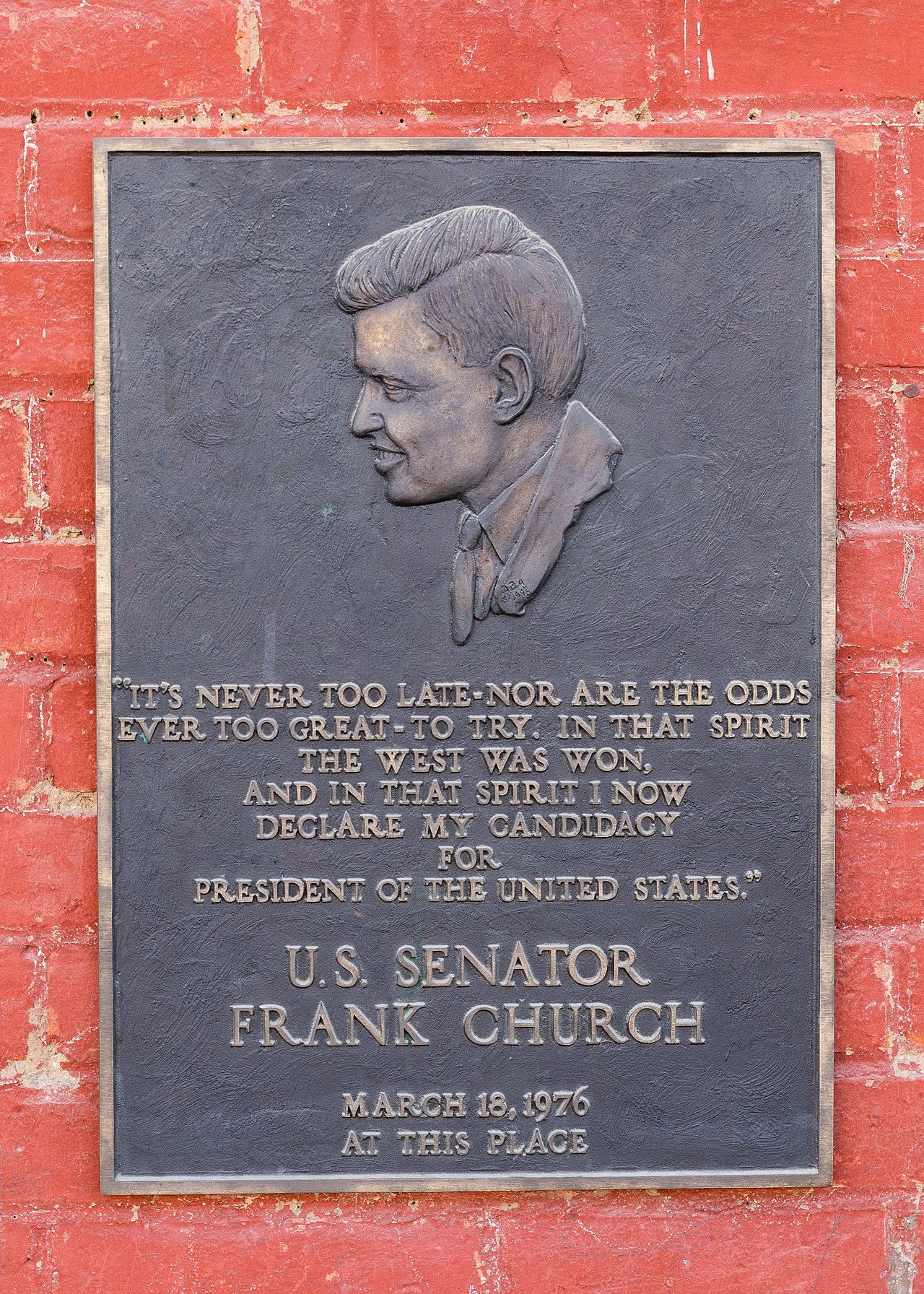
In 1976 Church sought the Democratic nomination for president, entering a field eventually won by Jimmy Carter. He continued to serve in the Senate until his unsuccessful re-election bid in 1980, when he was unseated amid a broader national shift in politics. After leaving public office he remained active in public affairs until his health declined.
Personal life and legacy
Church married Bethine Clark in 1947; they raised two children and remained married until his death. He died on April 7, 1984, in Bethesda, Maryland, from pancreatic cancer at the age of 59. His career left a dual legacy: stronger congressional oversight of intelligence activities and sustained attention to conservation and public lands. Modern discussions of civil liberties and wilderness preservation in the United States frequently recall his role in shaping both areas.
Further reading and resources
Related articles
Author
AlegsaOnline.com Frank Church (1924–1984) — U.S. Senator from Idaho Leandro Alegsa
URL: https://en.alegsaonline.com/art/36151
Sources
- news.google.com : "Idaho ex-Sen. Frank Church dies of cancer"
- news.google.com : "Frank Church dies of cancer"