
Francis Dashwood, 15th Baron le Despencer
18th-century English nobleman, politician and founder of the Hellfire Club; known for a flamboyant lifestyle, building at West Wycombe and brief service as Chancellor of the Exchequer.
Overview
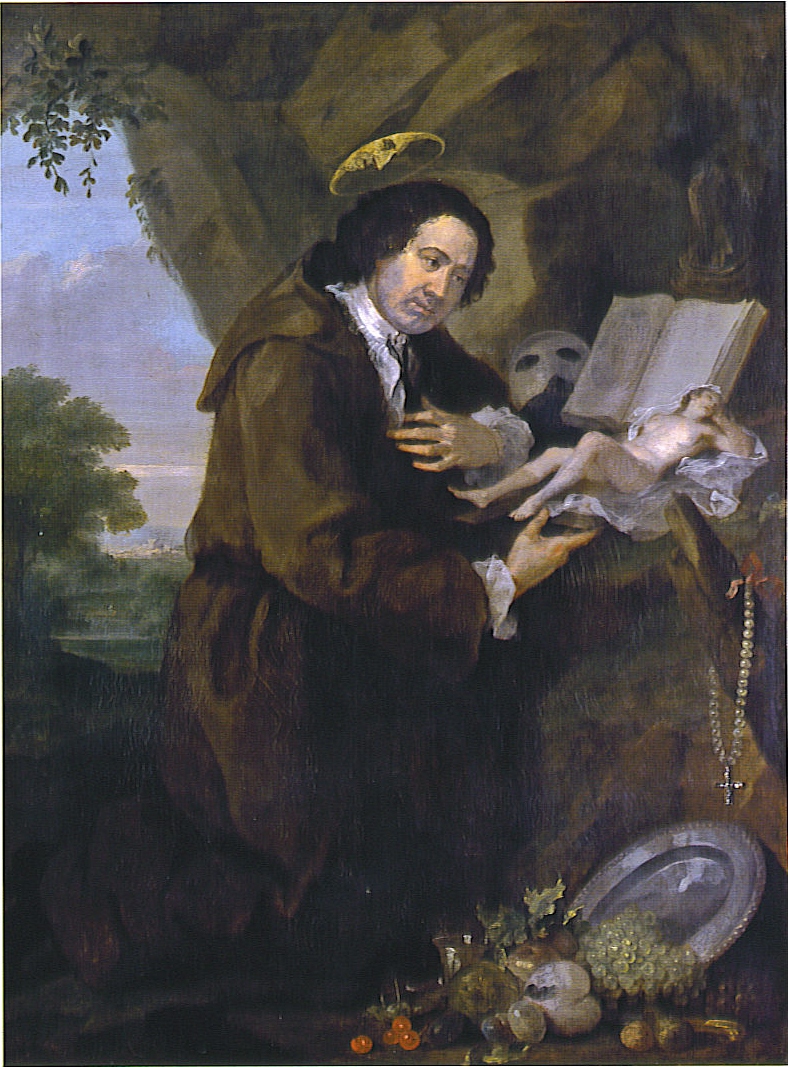
Francis Dashwood (December 1708 – 11 December 1781) was an English aristocrat known both for his political career and his reputation as a libertine. He served briefly as Chancellor of the Exchequer and is remembered as the founder of the so-called Hellfire Club, a social circle notorious in its day for mock rituals and loose morals. Contemporary accounts describe him variously as a rake and a politician, combining public office with an extravagant private life.
Image gallery
3 Images
Early life and education
Dashwood was born in London, into a wealthy family that provided him with opportunities for education and travel. He attended the schools favored by the elite and completed part of his schooling at Eton College, where he formed lasting associations, including with figures such as William Pitt the Elder. Orphaned as a young man—an event recorded by contemporaries—he inherited resources that financed later projects and amusements; accounts note he was effectively orphaned in adolescence and sent abroad on the customary Grand Tour that broadened his tastes and contacts. He embarked on that tour in 1726, travelling through several parts of Europe.
Political life and offices
Dashwood represented different constituencies in the House of Commons over decades and moved among court circles. His appointment as Chancellor of the Exchequer (1762–1763) placed him briefly at the centre of fiscal affairs; though his tenure was short, it marked the height of his official career. Outside the treasury he held other government posts and exercised influence through personal networks rather than sustained ministerial leadership.
The Hellfire Club, West Wycombe and public image
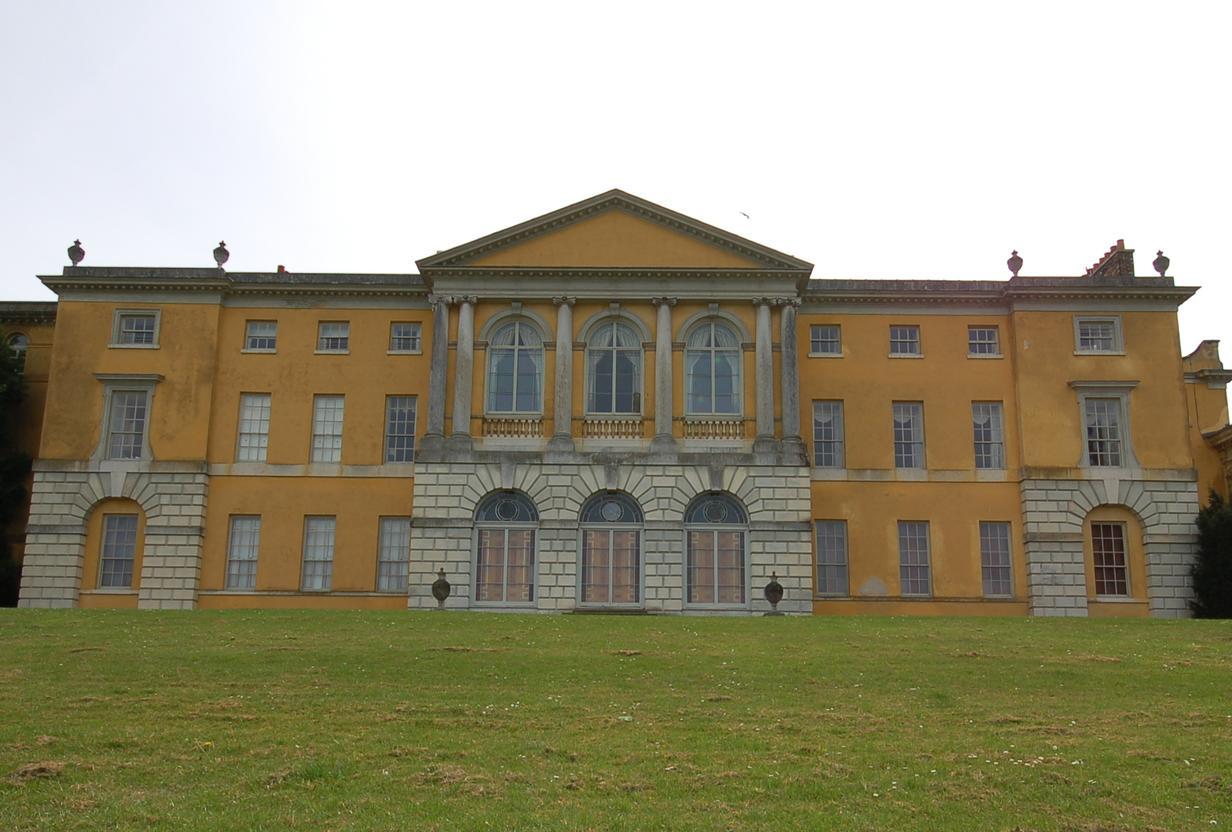
Dashwood founded an association often called the Hellfire Club, a loose gathering of aristocratic friends who met for dinners, theatrical entertainments and satirical ceremonies. He remodelled his family seat at West Wycombe and commissioned subterranean chambers and monuments that fed both scandal and curiosity. The estate and nearby caves became focal points for the club's reputation and for later interest in eighteenth‑century libertinage. Architectural features, classical motifs and allegorical sculptures around West Wycombe reflect the eclectic tastes he brought back from his continental travels.
Legacy and historical perspective
Historically Dashwood is remembered for the contrast between public office and private excess. Scholars treat him as a figure who exemplifies the overlapping social worlds of politics, culture and leisure among Britain's elite in the mid‑18th century. His buildings and the stories attached to the Hellfire Club continue to attract attention from historians, writers and visitors to West Wycombe. While rumours and sensational anecdotes color his image, surviving records and contemporary correspondence give a fuller, more nuanced picture of a man who combined patronage, travel, and taste with a penchant for provocative entertainments.
- Notable roles: Chancellor of the Exchequer, Member of Parliament.
- Patronage: architecture and garden design at West Wycombe.
- Cultural legacy: founder of a society frequently discussed in studies of Georgian sociability and scandal.
Related articles
Author
AlegsaOnline.com Francis Dashwood, 15th Baron le Despencer Leandro Alegsa
URL: https://en.alegsaonline.com/art/36038