
Francis Gary Powers
American pilot best known for piloting a CIA U-2 surveillance plane shot down over the Soviet Union in 1960; captured, tried, and later exchanged in a Cold War spy swap.
Overview
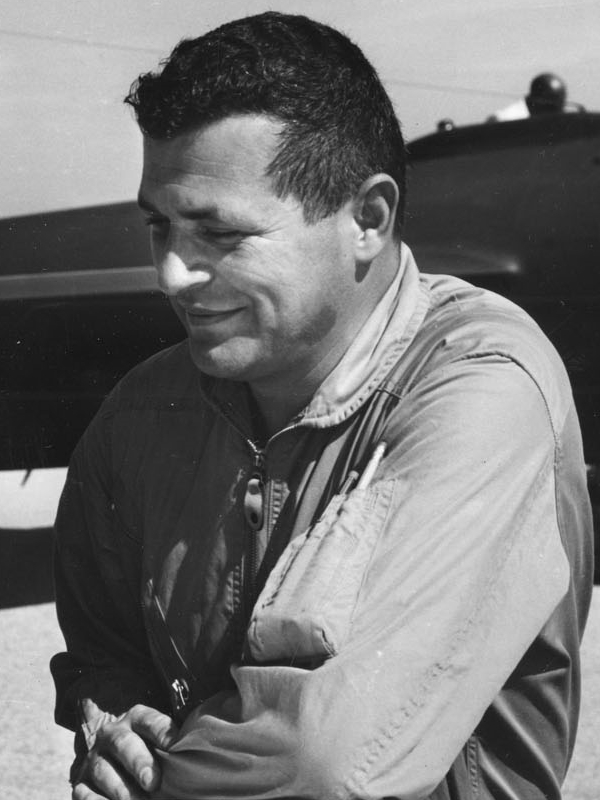
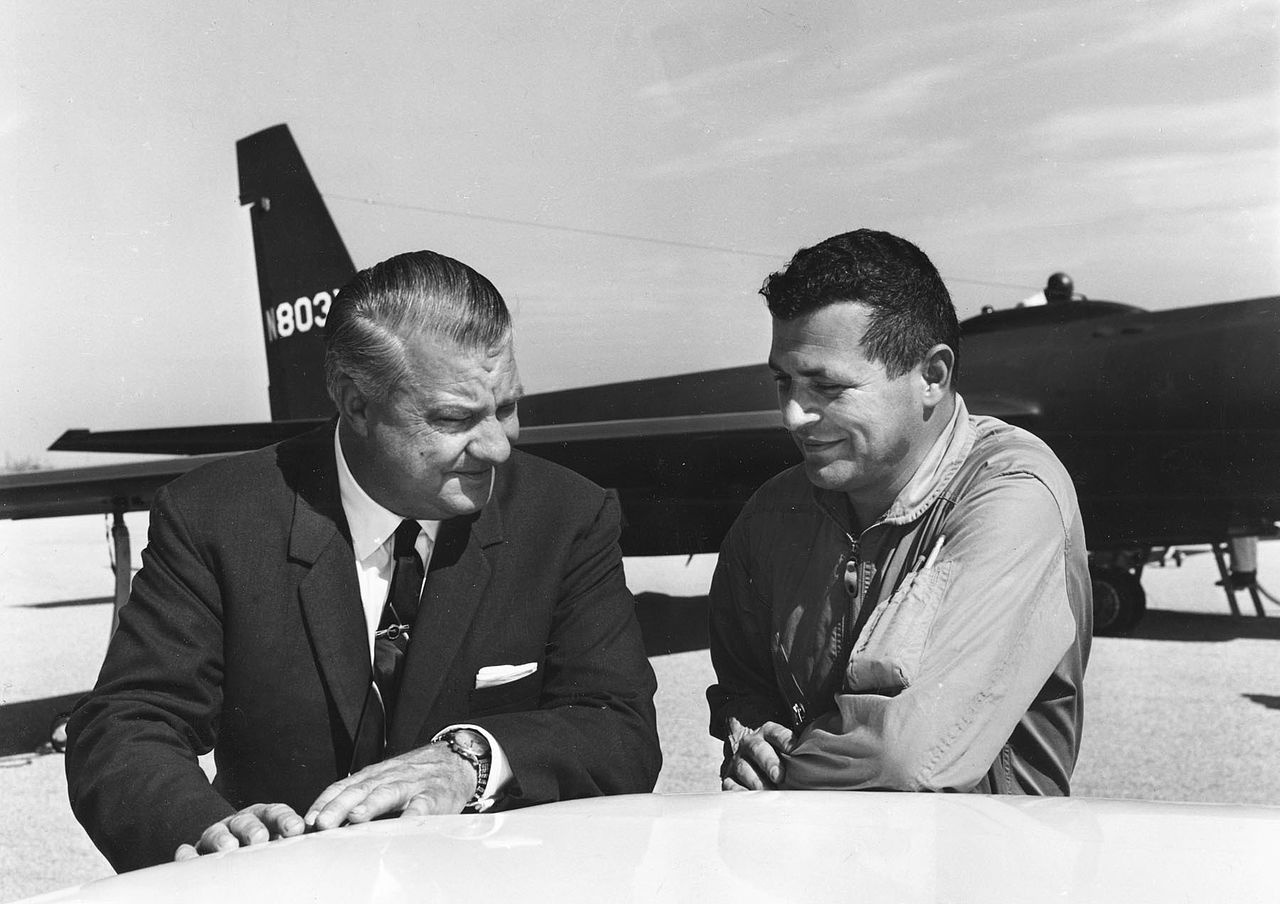
Francis Gary Powers (born August 17, 1929, in Jenkins, Kentucky) was an American pilot who became widely known during the Cold War for flying a high-altitude CIA U-2 spy plane on a photographic reconnaissance mission over the Soviet Union. His aircraft was downed in 1960 and the event, commonly called the U-2 incident, had major diplomatic consequences during the Cold War.
Image gallery
8 Images




Early life and career
Powers grew up in Kentucky and trained as a pilot, eventually serving in roles that brought him into aerial reconnaissance work. Before the shoot-down he flew high-altitude missions in aircraft designed to gather intelligence at great distances from friendly territory. These assignments placed him at the intersection of aviation technology and clandestine intelligence operations.
The 1960 shoot-down and capture
On May 1, 1960, while conducting a mission over Soviet territory, Powers's U-2 was struck and forced down. He survived the crash and was taken into custody by Soviet authorities. The loss of the U-2 and the capture of its pilot exposed a covert surveillance program and interrupted a high-level diplomatic meeting, escalating tensions between the United States and the Soviet government.
Detention, trial and exchange
Held as a prisoner of war and later tried in a Soviet court, Powers was convicted of espionage and imprisoned. On February 10, 1962, after approximately one year and nine months of captivity, he was released in a prisoner exchange in Berlin. The swap returned him to the United States in exchange for Soviet intelligence officer Vilyam Fisher, better known in the West as Rudolf Abel, who had been arrested by the FBI.
Later life and death
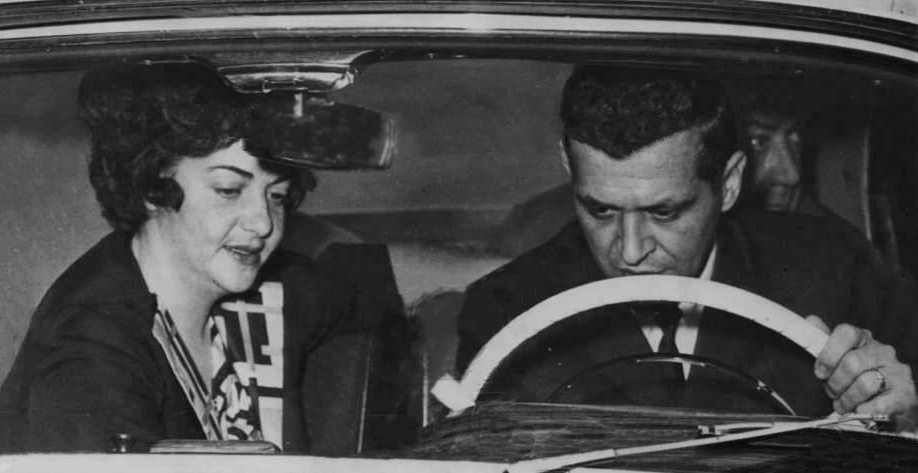
After his return Powers faced intense public scrutiny and questions about his actions during the incident. He continued working in aviation in various capacities, including as a pilot, and remained a figure of public interest because of the Cold War episode. On August 1, 1977, Powers died in a helicopter accident in Los Angeles County, at the age of 47.
Legacy and notable facts
Powers's experience underscored the risks of aerial intelligence gathering and influenced later approaches to surveillance and diplomacy. His story has been discussed in historical accounts of Cold War espionage and has been represented in popular culture in books, films, and documentaries. Key points about his case include:
- The U-2 program combined advanced aviation and photographic technology to monitor distant territories.
- His capture revealed covert operations and contributed to a temporary breakdown in East-West talks.
- He was exchanged for a Soviet intelligence officer after diplomatic negotiation and public attention.
- The incident highlighted legal and ethical questions about aerial reconnaissance that remain part of Cold War history.
For more detailed archival accounts and primary source materials about the U-2 flights, the shoot-down, the Moscow trial, and the Berlin prisoner exchange, see specialized histories and declassified documents maintained by government archives and reputable historical organizations.
Birthplace and early records | Nationality and service | Agency involvement | U-2 program | Reconnaissance missions | Soviet context | Cold War background | Detention status | Berlin exchange | Rudolf Abel / Fisher | Arresting authorities | Place of death | Accident type
Questions and answers
Q: Who was Francis Gary Powers?
A: Francis Gary Powers was an American pilot known for piloting a CIA U-2 spy plane during a reconnaissance mission over the Soviet Union, which caused the 1960 U-2 incident and played a large role in the Cold War.
Q: What happened to Powers during the reconnaissance mission in the Soviet Union?
A: Powers's U-2 spy plane was shot down while flying a reconnaissance mission over the Soviet Union.
Q: What role did Powers play in the Cold War?
A: Powers's U-2 incident played a large role in the Cold War.
Q: How long was Powers held as a prisoner of war in the Soviet Union?
A: Powers was held as a prisoner of war in the Soviet Union for 1 year, 9 months, and 10 days.
Q: When was Powers exchanged in a spy swap and who was he exchanged for?
A: Powers was exchanged in a spy swap on February 10, 1962, for Soviet KGB Colonel Vilyam Fisher, known as "Rudolf Abel," who had been caught by the FBI and tried and jailed for espionage.
Q: Who came up with the idea for the spy swap?
A: Powers credited his father with the idea for the spy swap.
Q: How did Francis Gary Powers die?
A: Francis Gary Powers died in a helicopter crash in Los Angeles County, California at the age of 47.
Related articles
Author
AlegsaOnline.com Francis Gary Powers Leandro Alegsa
URL: https://en.alegsaonline.com/art/36042
Sources
- foia.cia.gov : "CIA FOIA - Francis Gary Powers: U-2 Spy Pilot Shot Down by the Soviets"
- fbi.gov : Famous Cases: Rudolph Ivanovich Abel (Hollow Nickel Case) · web.archive.org