
William Pitt, 1st Earl of Chatham
British statesman (1708–1778), leading figure in the Seven Years' War, influential orator and organizer of British strategy; father of William Pitt the Younger and namesake of Chatham House.
Overview
William Pitt, 1st Earl of Chatham (15 November 1708 – 11 May 1778) was a prominent British statesman and parliamentary leader of the mid-18th century. Widely regarded as one of the era's most persuasive speakers and strategic minds, he dominated British policy during the international conflict known as the Seven Years' War. He served at the head of government in different capacities and was formally appointed prime minister by King George III in the 1760s. His public career helped shape Britain's imperial direction and parliamentary practice in the Georgian age.
Image gallery
10 Images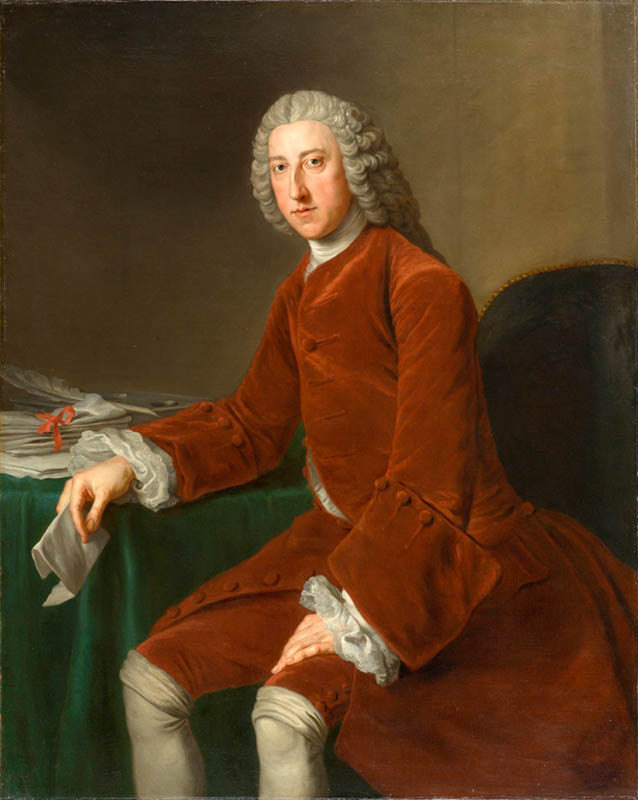


Political style and offices
Pitt developed a reputation for forceful debate in the House of Commons and for defending the authority of Parliament while resisting undue influence. His leadership combined a conviction that Britain should build naval and colonial strength with an ability to rally political support for far‑flung military operations. Over a long career he held senior posts, including principal direction of war policy and later an administration commonly identified with him as the leading minister. He accepted a peerage late in life and became the Earl of Chatham, moving from the Commons to the Lords.
Role in the Seven Years' War
As the architect of Britain's global offensive in the 1750s and early 1760s, Pitt prioritized maritime control and coordinated assaults on key overseas targets. In 1758 he emphasized operations against French Canada, notably strategies to interrupt communications and supplies by waterways leading to Québec and Quebec and Montreal. Those plans contributed to military successes that shifted the balance of power in North America and enhanced British influence around the world.
Later life and legacy
After his years of greatest political influence Pitt accepted an earldom and continued to be an outspoken public figure. His London residence in St. James's Square is the present home of the international affairs think tank now called Chatham House, a testament to his lasting name recognition. He is remembered for shaping imperial strategy, elevating the role of public opinion in politics, and for the strength of his parliamentary rhetoric.
Family and notable facts
- Father of William Pitt the Younger, who also served as British prime minister.
- Commonly associated with the consolidation of British naval and colonial power during his period of influence in Great Britain.
- Celebrated for oratory; his speeches and public stance made him one of the most recognizable political figures of his generation.
Although political opinions about his policies varied in his lifetime and afterward, William Pitt, 1st Earl of Chatham, remains a central figure in studies of mid-18th century British politics, empire, and military strategy.
Author
AlegsaOnline.com William Pitt, 1st Earl of Chatham Leandro Alegsa
URL: https://en.alegsaonline.com/art/132972