
Francis Eaton — Mayflower passenger and early Plymouth settler
Francis Eaton (c.1596–1633) was a passenger on the Mayflower, a signer of the Mayflower Compact, and an early settler of Plymouth Colony who represents the experiences of working colonists in the 1620s.
Overview
Francis Eaton (born about 1596 in Bristol, England) was one of the passengers who crossed the Atlantic on the Mayflower in 1620. He is recorded among those who added their names to the Mayflower Compact, the short agreement that governed the fledgling Plymouth community. Eaton died in the autumn of 1633 in Plymouth.
Image gallery
2 Images
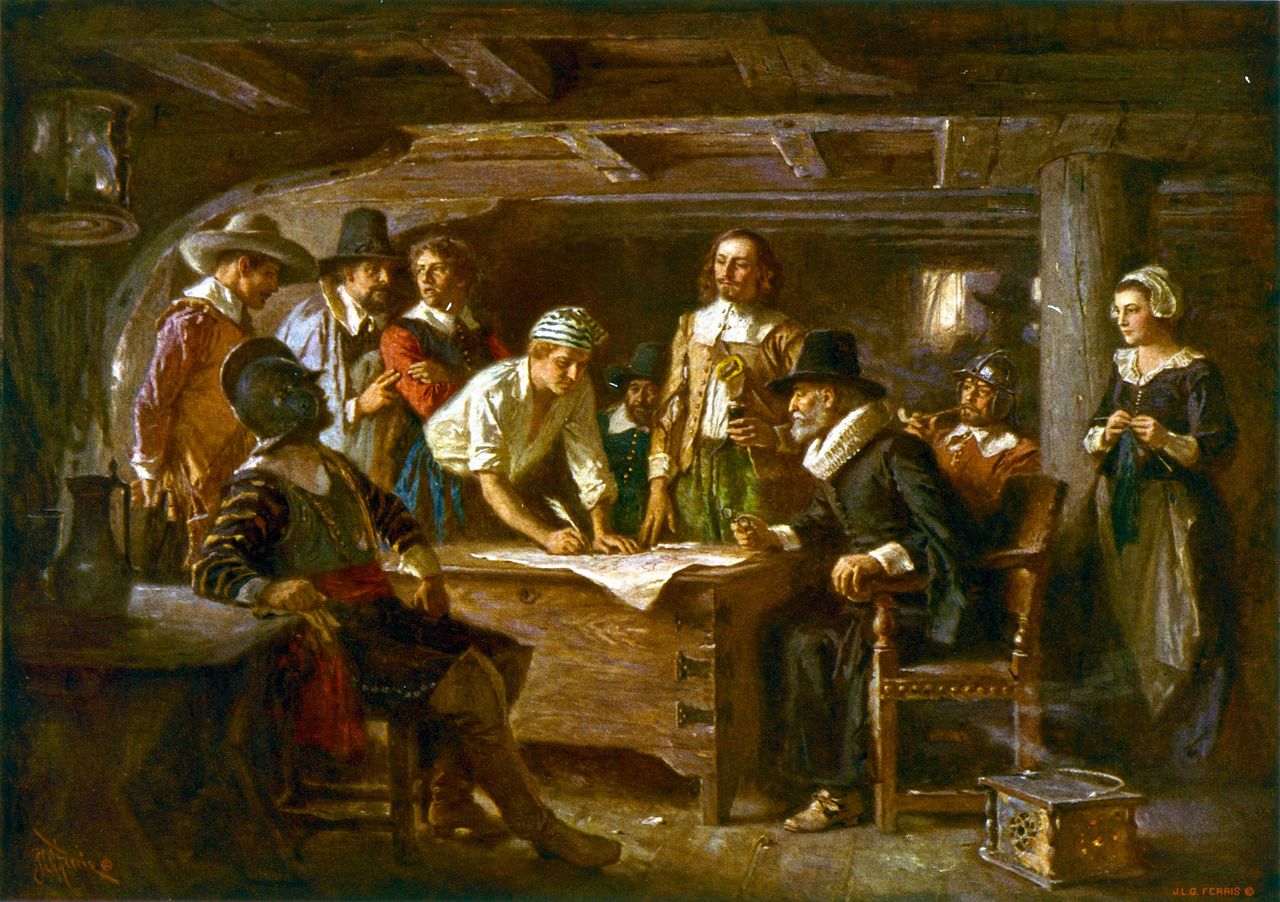
Origins and voyage
Contemporary records place Eaton's origins in Bristol, a busy port city in southwest England. Like many voyagers of his time, he joined a small, mixed group of households and servants who made the difficult ocean crossing in the autumn of 1620. The crossing and the first winter in New England were arduous; surviving passengers and crew began to establish the settlement that became Plymouth Colony.
Life in Plymouth
After arrival, Eaton appears in colony lists and legal records. He is often described in historical accounts as a tradesman by occupation. He participated in community affairs by signing the Compact and by taking part in the common work and land divisions that shaped early Plymouth. Surviving records indicate he experienced financial and household challenges in the 1620s and early 1630s, a pattern not uncommon among first-generation settlers.
Significance and legacy
Francis Eaton is remembered primarily for his role as an ordinary working settler whose life illustrates the hardships and commitments of the Mayflower passengers. His presence in key documents such as the passenger lists and the Mayflower Compact makes him a point of interest for genealogists and scholars studying the social makeup of early New England. Brief biographies and local histories often cite Eaton when discussing the diversity of occupations and fortunes among the colony's founders.
- Born: c.1596 in Bristol (see port city)
- Voyage: Passenger on the Mayflower in 1620
- Notable act: Signed the Mayflower Compact
- Died: Autumn 1633 in Plymouth
For readers seeking primary documents and passenger lists, consult archival collections and specialized studies that reproduce early Plymouth records and lists of those on the Mayflower and signers of the Compact.
Related articles
Author
AlegsaOnline.com Francis Eaton — Mayflower passenger and early Plymouth settler Leandro Alegsa
URL: https://en.alegsaonline.com/art/36040
Sources
- mayflowerhistory.com : Caleb Johnson's Mayflower History: Francis Eaton