
Francis A. Sullivan, S.J. — American Jesuit theologian of ecclesiology and magisterium
Francis A. Sullivan (1922–2019) was an American Jesuit priest and theologian noted for his work on ecclesiology and the magisterium, teaching and writing on authority, teaching office, and the nature of the Church.
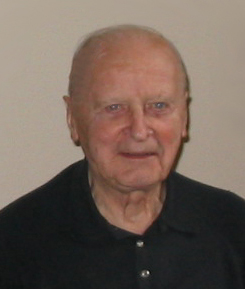
Overview
Francis Anthony Sullivan, S.J. (May 21, 1922 – October 23, 2019) was an American Catholic theologian and Jesuit priest. He became widely respected for his careful, historically informed studies of ecclesiology—the theological study of the Church—and for his analyses of the magisterium, the Church's teaching authority. Born in Boston, in Massachusetts, Sullivan combined pastoral experience with academic scholarship over many decades.
Image gallery
2 Images
Work and themes
Sullivan’s scholarship concentrated on how the Church understands its own nature and how authority is exercised within it. He examined questions such as the relationship between bishops and the pope, the role of theological development, and the processes by which official teaching is formed and received. His approach favored historical sensitivity, clear distinctions between doctrine and discipline, and attention to the lived practice of the faithful.
Career and influence
Throughout his career Sullivan taught and advised students, clergy and committees, and influenced debates about post‑Vatican II ecclesial structures and authority. His work was read by theologians, canon lawyers, and episcopal conferences seeking a rigorous account of how teaching authority operates in practice and in history. He participated in discussions that helped shape contemporary reflection on collegiality, episcopal responsibility, and the development of doctrine.
Notable characteristics and contributions
- Focused on clarity about the magisterium and its limits, emphasizing distinctions between infallible definitions and ordinary teaching.
- Used historical sources to trace how doctrinal decisions and authoritative teachings emerged over time.
- Advocated for careful theological reasoning that respects both tradition and pastoral realities.
Legacy and recognition
Sullivan’s writings and lectures remain referenced in discussions about ecclesial authority, theological method, and the interplay between magisterial teaching and the sensus fidei (the sense of the faithful). He is remembered as a scholar who combined fidelity to Catholic tradition with a readiness to analyze critically how authority functions within the Church. He died on October 23, 2019 in Weston, Connecticut, where he had been hospitalized at the age of 97 (death notice).
For introductory explanations of the theological fields to which he contributed, see general resources on ecclesiology and related topics. Sullivan’s work offers one example of how modern Catholic theology engages institutional questions with historical and pastoral sensitivity.
Related articles
Author
AlegsaOnline.com Francis A. Sullivan, S.J. — American Jesuit theologian of ecclesiology and magisterium Leandro Alegsa
URL: https://en.alegsaonline.com/art/36034
Sources
- cruxnow.com : "Jesuit priest who was one of leading experts on ecclesiology dies at 97"