
Francis Cooke: Mayflower Passenger and Early Plymouth Settler
English-born Francis Cooke (c.1583–1663) was a Mayflower passenger and signer of the Mayflower Compact. He lived in Leiden, married Hester Mahieu, and was an active member of early Plymouth Colony.
Overview
Francis Cooke (c.1583–7 April 1663) was one of the passengers on the 1620 voyage of the Mayflower Compact and is remembered as an early settler of Plymouth Colony. Born in England, he spent years in the Dutch city of Leiden before joining the transatlantic expedition that established one of the earliest permanent English colonies in North America.
Image gallery
2 Images
Early life and family
Cooke’s exact birthplace in England is not definitively recorded, but records show he lived for a time among Protestant refugees in Leiden in the Netherlands. There he married Hester Mahieu in the French Walloon congregation. In 1606 the couple moved briefly to Norwich, England, but they returned to Leiden. Their son John was baptized at the Walloon Church in 1607, a record often cited for genealogical research (Walloon Church baptism).
Leiden community and emigration
Leiden was a center for religious refugees, craftsmen and merchants in the early 17th century. Many English Separatists and others found refuge there and organized plans to emigrate to the New World to secure religious freedom and economic opportunity. Cooke joined or associated with this community and later sailed as part of the Mayflower contingent bound for North America in 1620.
Life in Plymouth Colony
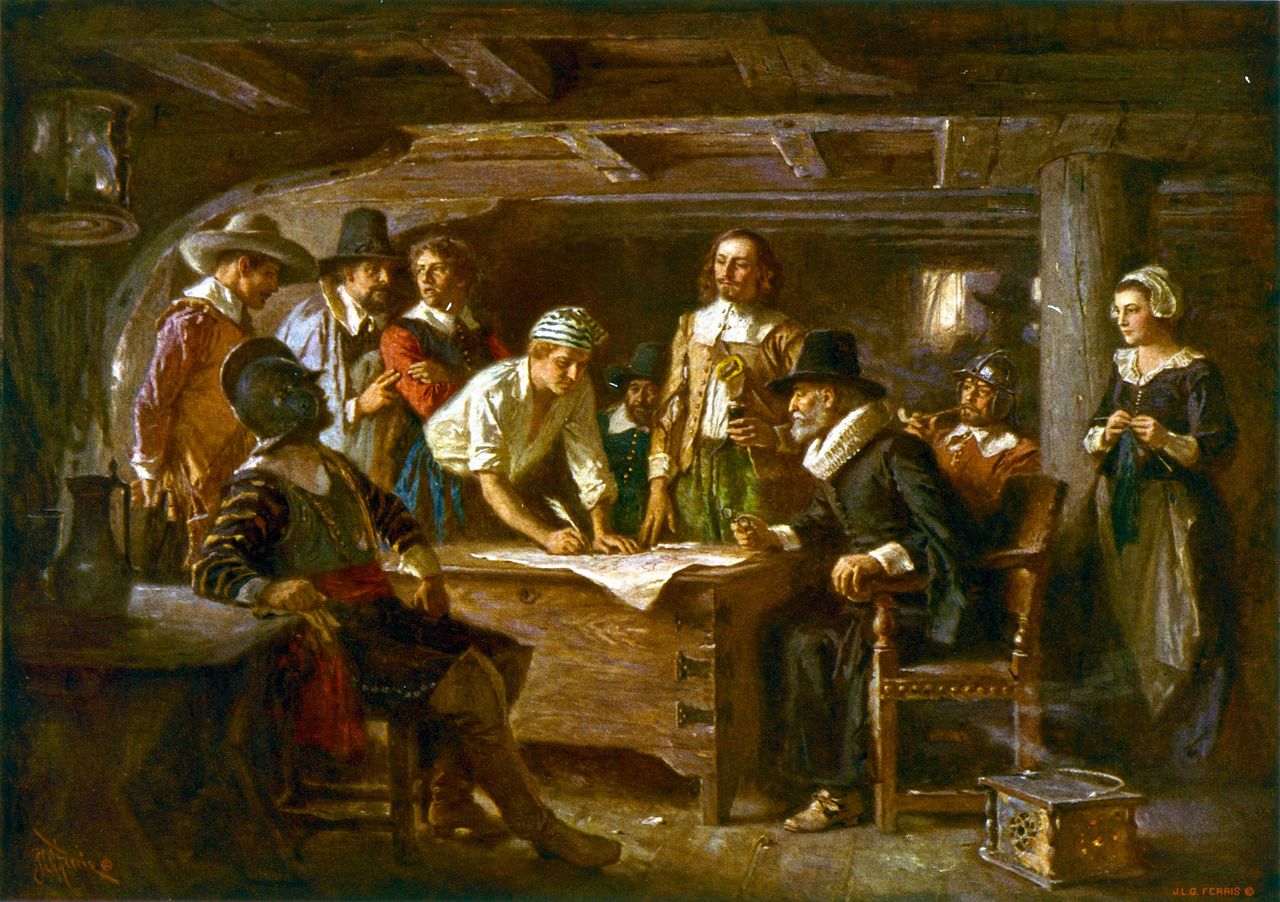
Upon arrival, Cooke was among those who signed the Mayflower Compact, a foundational agreement for governance among the settlers. In Plymouth he became a recognized member of the small community, taking part in the colony’s common enterprises, land allocations and civic duties that helped the settlement survive and grow. While not always prominent in surviving records for offices, his consistent presence in legal and land documents shows he was an engaged colonial inhabitant.
Legacy and historical importance
Francis Cooke’s legacy rests on his role among the Mayflower passengers and his participation in the early years of Plymouth Colony. His marriage to Hester Mahieu and the baptism of their children link him to both English and Continental Protestant networks. Cooke died in 1663; descendants and genealogists often trace family lines back to him through the Leiden and Plymouth records.
Timeline (key moments)
- c.1583 — Birth in England (approximate).
- 1606 — Move with his wife to Norwich, then return to Leiden, Netherlands.
- 1607 — Son John baptized at the Walloon Church in Leiden.
- 1620 — Voyage on the Mayflower and signing of the Mayflower Compact.
- 1663 — Death on 7 April in Plymouth Colony.
For readers interested in early colonial history, Cooke’s life illustrates the transnational ties—between England, the Low Countries and New England—that shaped the founding generation of New England settlements.
Questions and answers
Q: Who was Francis Cooke?
A: Francis Cooke was a passenger on the Mayflower and an important member of Plymouth Colony.
Q: What did Francis Cooke do on the Mayflower?
A: Francis Cooke was a signer of the Mayflower Compact.
Q: Where did Francis Cooke live before he moved to Plymouth Colony?
A: Francis Cooke lived in England and then in Leiden Netherlands.
Q: Who did Francis Cooke marry?
A: Francis Cooke married Hester Mahieu at the French Walloon Church in Leiden.
Q: When did Francis Cooke and his wife move to Norwich in county Norfolk in England?
A: Francis Cooke and his wife moved to Norwich in county Norfolk in England in August 1606.
Q: Where was Francis Cooke's son John baptized?
A: Francis Cooke's son John was baptized at the Walloon Church in Leiden in 1607.
Q: How long did Francis Cooke and his wife live in Norwich before returning to the Netherlands?
A: Francis Cooke and his wife did not live in Norwich long before returning to the Netherlands.
Related articles
Author
AlegsaOnline.com Francis Cooke: Mayflower Passenger and Early Plymouth Settler Leandro Alegsa
URL: https://en.alegsaonline.com/art/36036
Sources
- findagrave.com : findagrave.com/cgi-bin/fg.cgi?page=gr&GRid=34825341