
Frances Farmer: American actress, stage performer, and cultural figure
Overview of Frances Farmer (1913–1970), her acting career, stage work, later controversies, and legacy as a subject of biographies and popular culture.
Frances Farmer (September 19, 1913 – August 1, 1970) was an American actress and later a regional television hostess whose complicated life and career attracted sustained attention. She appeared in more than a dozen movies in the 1930s and 1940s, and she is remembered both for her early promise as a performer and for the controversial accounts of her later years.
Image gallery
9 Images



Early life and education
Farmer was born in Seattle, Washington, where she grew up and showed an early interest in theater. She studied at the University of Washington, performing in campus productions and winning attention for her stage work. After graduating she joined stock companies and toured in regional theater, developing the craft that would lead to a Hollywood contract.
Film and stage career
In 1936 Farmer signed a film contract with Paramount Pictures and moved to Hollywood. Her screen debut was in Too Many Parents (1936), followed by a leading part in the musical western Rhythm on the Range (also 1936). While she made a notable number of studio pictures, Farmer frequently expressed dissatisfaction with the roles she was offered and returned to live theater within a few years. Her stage credentials include a major role in the original Broadway production of Clifford Odets’ Golden Boy, which reinforced her reputation as a serious actress.
Decline, controversy, and later work
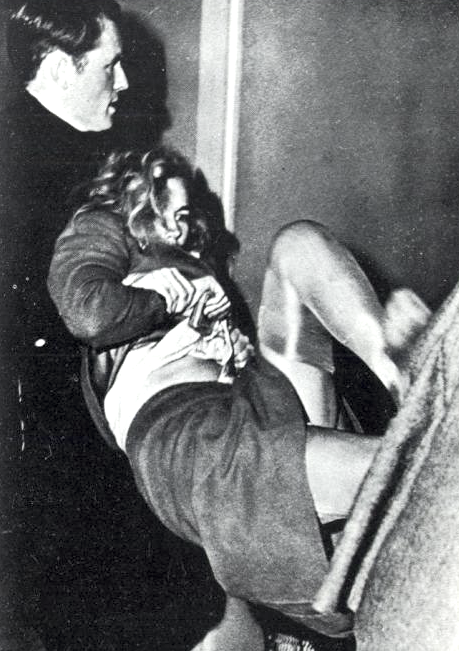
Farmer's life after her early screen career was marked by legal and medical struggles that would become the subject of intense public curiosity. She faced highly publicized personal difficulties in the late 1930s and 1940s, including arrests and involuntary psychiatric commitments. Over ensuing decades several sensational accounts — some incorporated into popular biographies and a feature film — alleged abusive treatment and questionable medical procedures during those hospitalizations. Historians and researchers have since examined these claims; some details remain disputed, and the full record is complex.
After leaving the spotlight she rebuilt a quieter life. In the 1950s and 1960s Farmer worked in regional media and made appearances as a host and presenter in television and local broadcasting, returning periodically to stage work and interviews. Her public presence in later years contributed to renewed interest in her early career and to reassessments of the sensational stories that had circulated about her life.
Death and legacy
In the spring of 1970 Farmer was diagnosed with esophageal cancer, a condition commonly linked to long-term tobacco use. She died on August 1, 1970, in Indianapolis, Indiana, at the age of 56. Her obituary and subsequent biographies prompted renewed attention to both her artistic achievements and the controversies that later defined her public image.
Notable facts and cultural impact
- Farmer's combination of early success and later misfortune has made her a recurring subject in books, documentaries, and dramatic portrayals.
- Her life inspired debate about the treatment of mental illness, the role of the studio system in performers' careers, and the construction of celebrity narratives.
- She is remembered for both screen work from the 1930s and for stage roles that demonstrated a serious dramatic talent.
For readers seeking more detail, authoritative biographies and archival materials provide fuller documentation of Farmer's films, stage credits, and the contested records of her institutionalization and later rehabilitation. The story of Frances Farmer remains an example of how cultural memory can blend artistic achievement with myth-making about personal tragedy.
Questions and answers
Q: Who was Frances Farmer?
A: Frances Farmer was an American actress and television hostess.
Q: Where was Frances Farmer born?
A: Frances Farmer was born in Seattle, Washington.
Q: How did Frances Farmer begin her acting career?
A: Frances Farmer began her acting career in stage productions while she was a student at the University of Washington.
Q: Which movie marked Frances Farmer's debut?
A: Frances Farmer's debut movie was Too Many Parents (1936).
Q: Why did Frances Farmer return to stock theater in 1937?
A: Frances Farmer was unhappy with the opportunities given to her by the studio, which is why she returned to stock theater in 1937.
Q: What was Frances Farmer's last Broadway production?
A: Frances Farmer's last Broadway production was Clifford Odets' Golden Boy, in which she was cast in the original production.
Q: How did Frances Farmer die?
A: Frances Farmer died from esophageal cancer tied to her lifelong habit of heavy smoking. She died in Indianapolis, Indiana at age 56.
Related articles
Author
AlegsaOnline.com Frances Farmer: American actress, stage performer, and cultural figure Leandro Alegsa
URL: https://en.alegsaonline.com/art/36006
Sources
- allthatsinteresting.com : "Sad Story of Frances Farmer"
- jeffreymichaelkauffman.com : "Frances Farmer"