
Francesco Botticini (Francesco di Giovanni) — Florentine Renaissance Painter
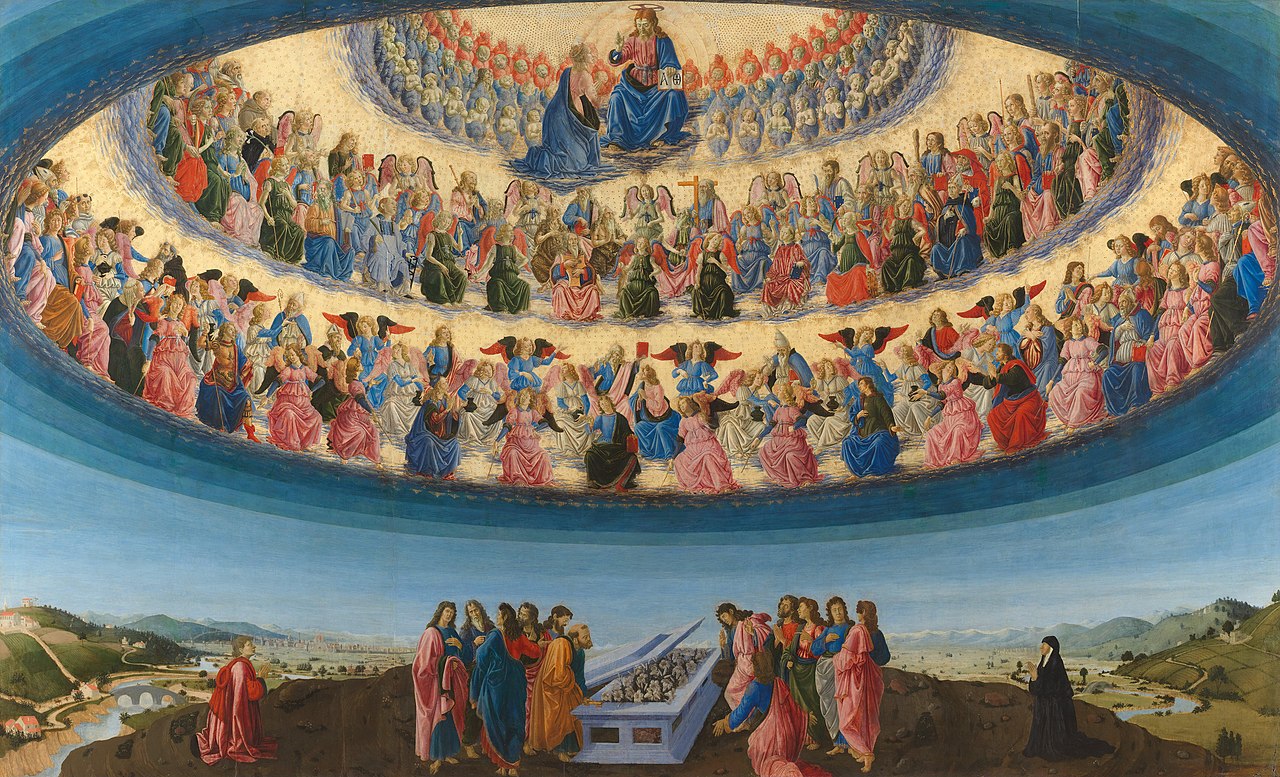
Francesco Botticini (Francesco di Giovanni, c.1446–1498) was a Florentine painter of the early Renaissance, noted for large altarpieces such as the Assumption of the Virgin and for running a busy workshop.
Francesco Botticini, born Francesco di Giovanni around 1446 in Florence, was an Italian artist active in the early Renaissance. He is best remembered for large devotional panels and altarpieces, most famously the Assumption of the Virgin. Botticini's work belongs to the Florentine tradition but shows individual choices in composition and color that helped him secure important religious commissions.
Image gallery
8 Images


Life and workshop
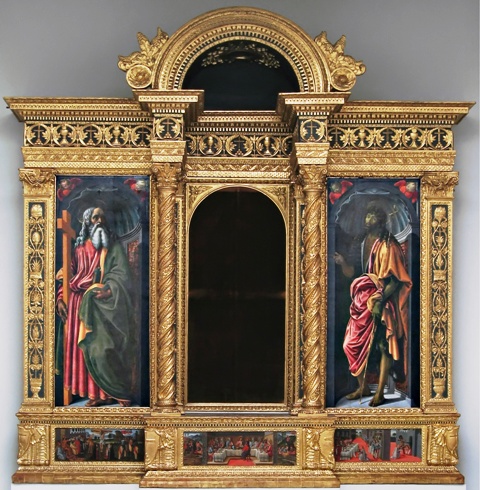
Botticini trained and worked in Florence and for a time was an assistant in the studio of Neri di Bicci, learning practical workshop techniques and the demands of commissioned church painting. He later established his own workshop, which produced altarpieces, decorative panels and ecclesiastical furnishings. Some of these decorative works were executed for local religious houses and can still be associated with cloistered churches in towns such as Empoli. His workshop approach was typical of the period: collaborative production with apprentices and assistants under the master's design and finishing hand.
Artistic style and influences
Botticini's paintings combine late Gothic elements with emerging Renaissance concerns for space and figure modelling. He shows an interest in arranging multiple figures within architectural settings and in portraying devotional scenes at a large scale. Contemporary Florentine trends influenced him: he is often discussed in relation to the work of Filippo and Filippino Lippi and Sandro Botticelli. Scholars note that his handling of line and gentle modeling reflects those currents while retaining a distinct compositional rhythm linked to earlier practices.
Major works and importance
- Assumption of the Virgin — Botticini's best-known panel, a showpiece altarpiece notable for its scale and the arrangement of apostles and angels.
- Numerous altar and devotional panels — commissions for parish churches and monasteries in and around Florence and other towns.
- Decorative church works produced by his workshop, some documented in local records and linked to surviving pieces in regional sites.
Although not as widely famous as some contemporaries, Botticini made a durable contribution to Florentine religious painting of the late 15th century. His paintings illustrate how workshop practice, local patronage and evolving aesthetic tastes combined to shape the visual culture of the early Renaissance (painter, Renaissance).
Records indicate he died in the late 1490s; archival evidence commonly gives the date as 16 January 1498. Today his works are studied for what they reveal about provincial commissions, the operation of a Florentine workshop and the transmission of stylistic influence between better-known masters and their peers.
Related articles
Author
AlegsaOnline.com Francesco Botticini (Francesco di Giovanni) — Florentine Renaissance Painter Leandro Alegsa
URL: https://en.alegsaonline.com/art/36014