
Amman: history, geography, culture and modern development
Comprehensive overview of Amman, Jordan’s capital — its history from antiquity to modern times, urban growth, governance, economy, culture, landmarks and role in the region.
Overview
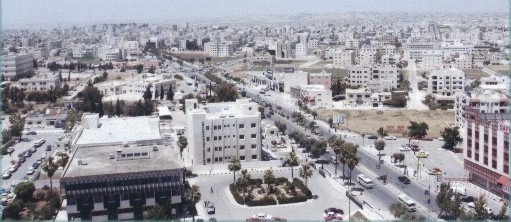
Amman (Arabic: عمان) is the capital and largest city of the Hashemite Kingdom of Jordan. Located near the center of the country, it stands on a series of hills that form the urban core and surrounding suburbs. Today Amman is a regional hub for administration, finance, education and healthcare, drawing residents and visitors from across the Arab world and beyond: tourists and patients frequently travel from Western Europe, North America, Japan and Australia, as well as neighboring countries. Estimates of the metropolitan population have placed Greater Amman at roughly four million people in the 2010s, making it one of the fastest-growing urban areas in the region.
Image gallery
10 Images





Historical development
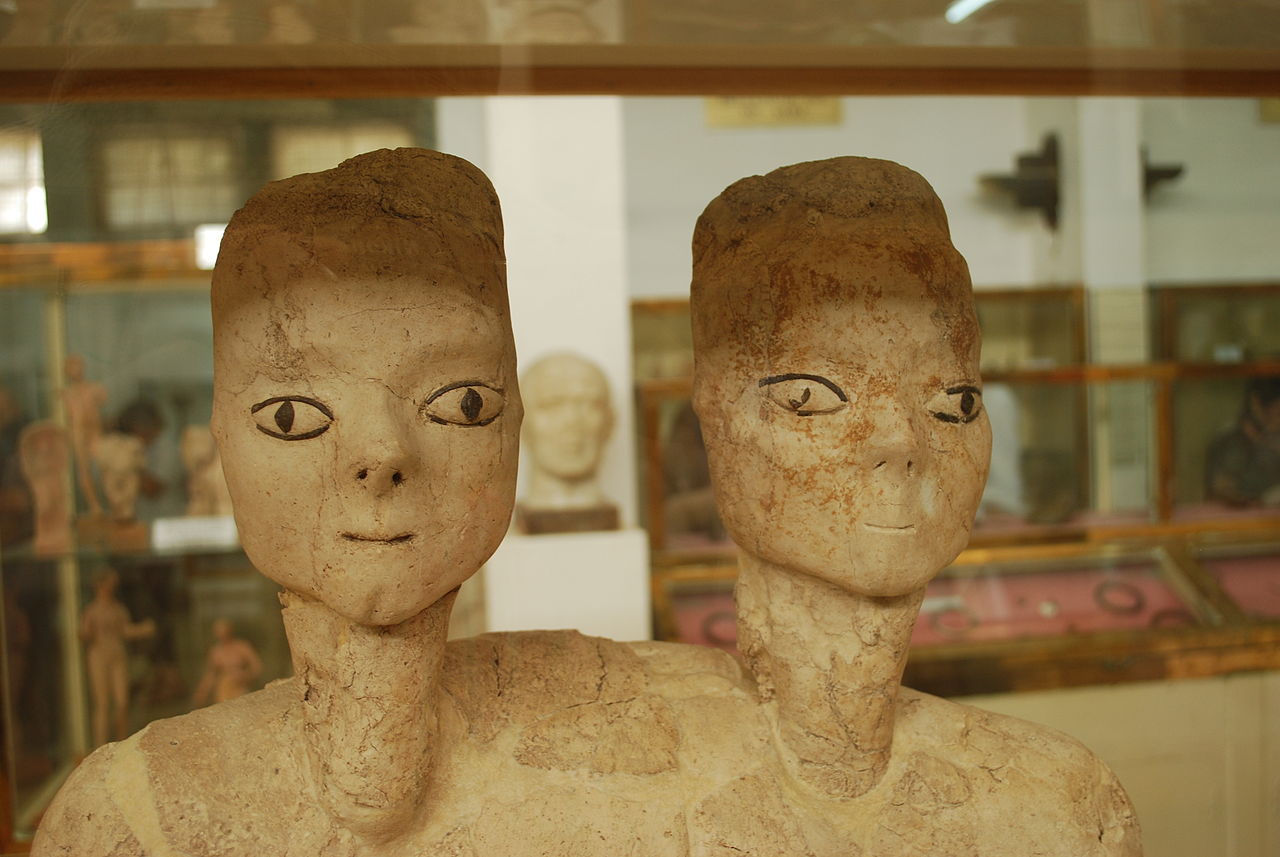
Amman has been occupied for millennia and is counted among the oldest continuously inhabited cities in the world. Archaeological layers record settlement from the Neolithic into the Bronze Age. In antiquity the site was known as Rabbath Ammon and later, under Hellenistic influence, as Philadelphia. It served as the capital for the Ammonites and later passed through successive periods of Nabatean, Roman, Byzantine and early Islamic rule. During the Roman and Byzantine eras the city prospered and monuments such as the hilltop citadel and the large Roman theatre date from these times. Over centuries Amman experienced cycles of growth and decline before re-emerging in the 19th and early 20th centuries as a significant urban center.
Geography and climate
Amman occupies a semi-arid zone in the Levant and is often described as being in the heart of the Levant and the broader Middle East. The municipality spans many hills and valleys; the historic core lies on seven principal hills. Its elevation moderates summer heat compared with lower-lying nearby regions, and winters are cool with occasional rain and rare snow in some years. Urban expansion over recent decades has spread across adjacent ridges and plateaus, shaping an often hilly street pattern and distinctive terraces of construction.
Government, planning and administration
Amman is administered by the Greater Amman Municipality, a municipal body responsible for planning, services and local governance. The municipality is divided into a number of administrative districts—official plans identify more than twenty divisions that group neighborhoods for service delivery. The municipal council and the mayor supervise public works, cultural programming and urban development initiatives that aim to manage rapid population growth. In recognition of recent planning efforts, Amman’s comprehensive urban plans have attracted international attention and awards for municipal leadership and urban strategy.
Economy, education and society
The city is Jordan’s economic center. Key sectors include government services, finance, retail, tourism and private health care, with medical tourism a notable component of visitor traffic. Amman hosts major universities and research institutions that attract students from across the country, and it is a focal point for cultural life—museums, galleries, theaters and an expanding restaurant and café scene. The modern population is diverse: long-standing native families live alongside communities whose members trace origins to other parts of Jordan, Palestine, the Caucasus, Syria and Iraq, and other regions of the Arab world.
Landmarks, tourism and cultural highlights
Visitors to Amman find a layered city where ancient ruins sit near contemporary neighborhoods. Prominent sites include the Citadel on Jabal al-Qal'a and the Roman Theatre, both reminders of the city’s classical past. Cultural institutions such as the national museum, modern art galleries and historic mosques and churches reflect Jordan’s plural heritage. Popular modern districts—cafés and pedestrian streets often promoted for nightlife and gastronomy—contribute to a lively urban culture.
- Historical sites: Citadel and Roman theatre, Roman plazas and archaeological museums (ancient Ammonite references).
- Institutions: Major universities, hospitals and government ministries that concentrate professional services.
- Civic life: Municipal planning offices and a council structure under a mayor (municipal leadership).
- Regional links: Amman’s role as a regional destination for visitors from neighboring countries and international travelers from places such as states formed after World War I and earlier colonial administrations like Britain influenced its modern political trajectory.
- Population movements: Waves of migration and displacement in the 20th and 21st centuries brought people from Palestine, the Caucasus, Syria and Iraq to the city, shaping its social fabric.
As the capital of a relatively young modern state, Amman continues to balance preservation of its long history with the pressures of rapid urban growth. Its mix of ancient remains, residential neighborhoods and contemporary commercial districts makes it a principal point of contact between Jordan and both regional and global visitors and investors.
Related articles
Author
AlegsaOnline.com Amman: history, geography, culture and modern development Leandro Alegsa
URL: https://en.alegsaonline.com/art/3578
Sources
- jordantimes.com : "Population stands at around 9.5 million, including 2.9 million guests"