
Food processing: methods, history, and role in the food system
Overview of food processing: common methods, stages from harvest to packaging, historical development, uses, and distinctions between minimal and industrial processing.
Overview
Food processing refers to the range of operations that transform raw ingredients into products suitable to be eaten by humans or fed to animals. These operations are carried out at scales from household kitchens to large factories. Processing can increase shelf life, improve safety, alter texture and flavor, and make commodities easier to transport and sell.
Image gallery
10 Images


Common methods and stages
Processing typically follows stages such as cleaning, sorting, primary conversion and preservation, secondary manufacturing and final packaging. Typical techniques include thermal treatments (pasteurization, canning), freezing, drying, fermentation, milling, smoking, curing, and the addition of preservatives or flavorings. Basic steps are often summarized as primary, secondary and tertiary processing:
- Primary: cleaning, shelling, butchering or milling raw produce after it is harvested or collected.
- Secondary: turning primary outputs into food items (for example, grinding grain into flour, turning milk into cheese).
- Tertiary: producing ready-to-eat or convenience foods with multiple ingredients and packaging.
History and development
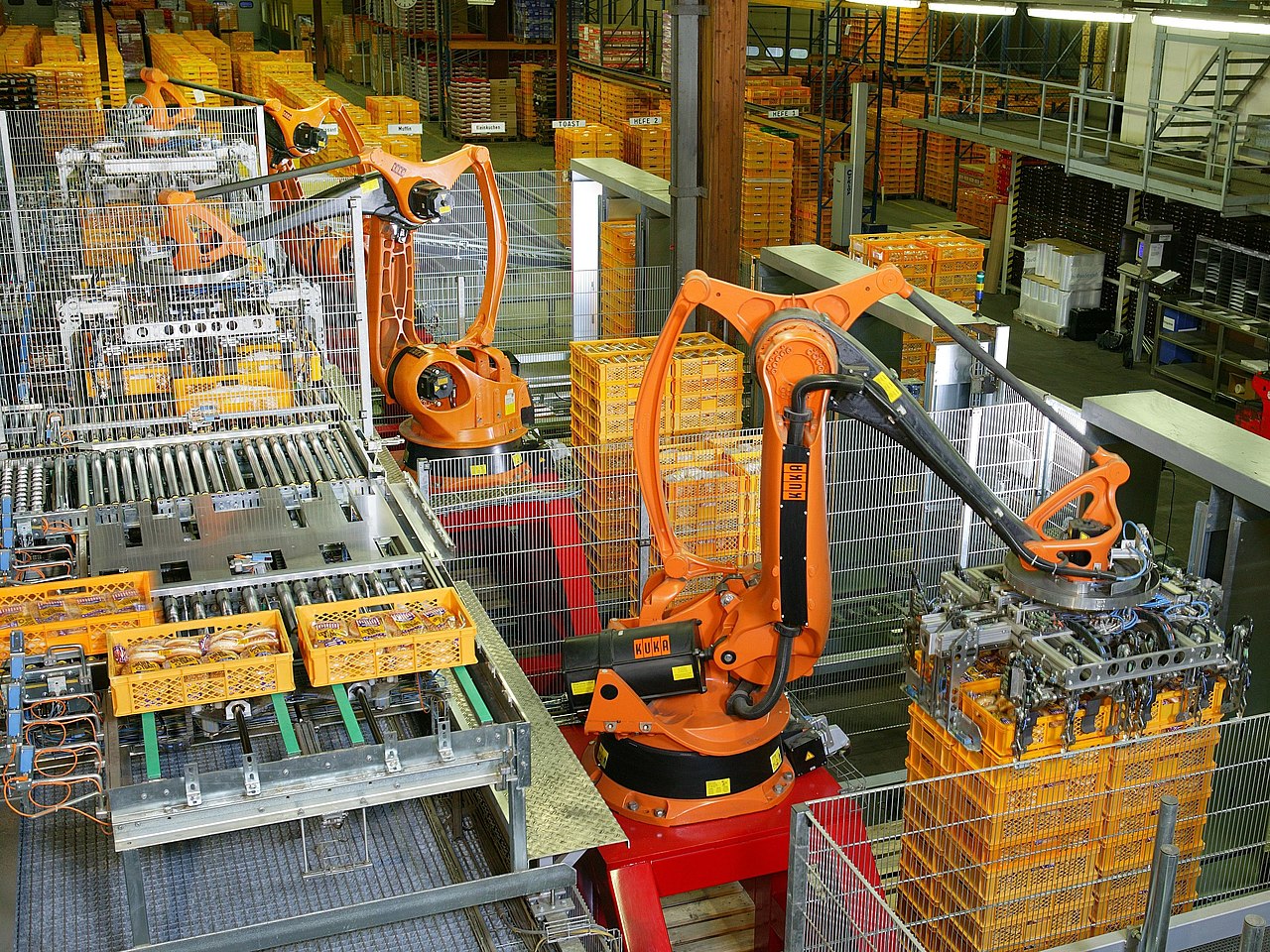
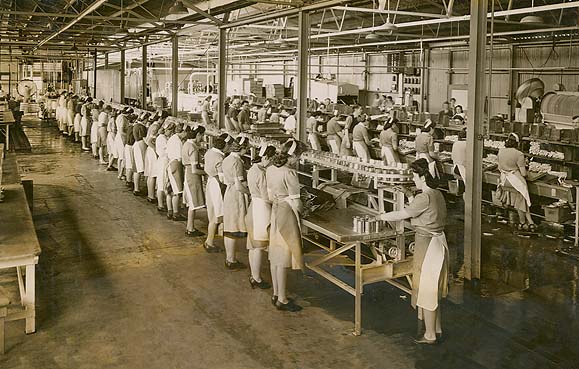
Human societies have processed food for millennia: drying, fermenting and smoking are ancient practices used to preserve seasonal surpluses. Industrialization in the 19th and 20th centuries introduced mechanized milling, refrigeration and large-scale canning, while modern advances include aseptic packaging, high-pressure processing and automated production lines. Meat and animal products typically enter the system after animals are slaughtered and butchered, then processed further for safety and market needs.
Uses, benefits and examples
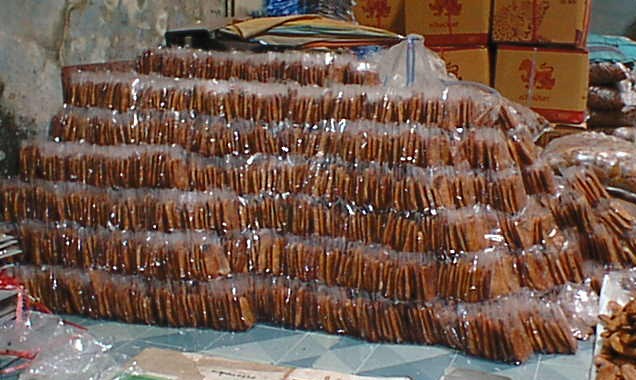
Processed foods range from minimally altered items like washed salad greens to highly processed ready meals. Benefits include improved food safety (reducing pathogens), decreased waste through preservation, and year-round access to out-of-season foods. Examples: canned vegetables, frozen fruit, pasteurized milk, cured meats, baked goods and fermented products such as yogurt and bread.
Distinctions and notable facts
Analyses of processing often distinguish between minimal processing and ultra-processed foods. Minimal processing aims to retain natural properties while ensuring safety; ultra-processed products commonly contain multiple additives and are engineered for taste and convenience. The food processing sector links farming and retail, adding value but also raising questions about nutrition, sustainability and regulation. Producers strive to meet quality, labeling and safety standards to make items attractive and marketable.
For further reading on methods and industry practices see introductory resources and technical guides: raw material handling, consumer safety, and sector overviews at technical repositories and industry groups.
Related articles
Author
AlegsaOnline.com Food processing: methods, history, and role in the food system Leandro Alegsa
URL: https://en.alegsaonline.com/art/35472