
Five Star Movement (Movimento 5 Stelle)
Italian political movement founded in 2009 combining direct-democracy tools, environmentalism and anti‑establishment rhetoric; influential in 2010s coalitions and notable for online organization.
Overview
The Five Star Movement (Movimento 5 Stelle) is an Italian political party and movement that emerged in 2009 as an anti‑establishment force. Widely described as populist and difficult to classify on a standard left–right axis, it emphasizes direct democracy, digital participation, anti‑corruption measures and environmental issues. The movement has promoted policies such as a guaranteed minimum income for low‑income households, transparency initiatives for public officials and increased citizen input through online consultation platforms. For a concise profile see the party overview at party profile.
Image gallery
8 Images




Founding and early development
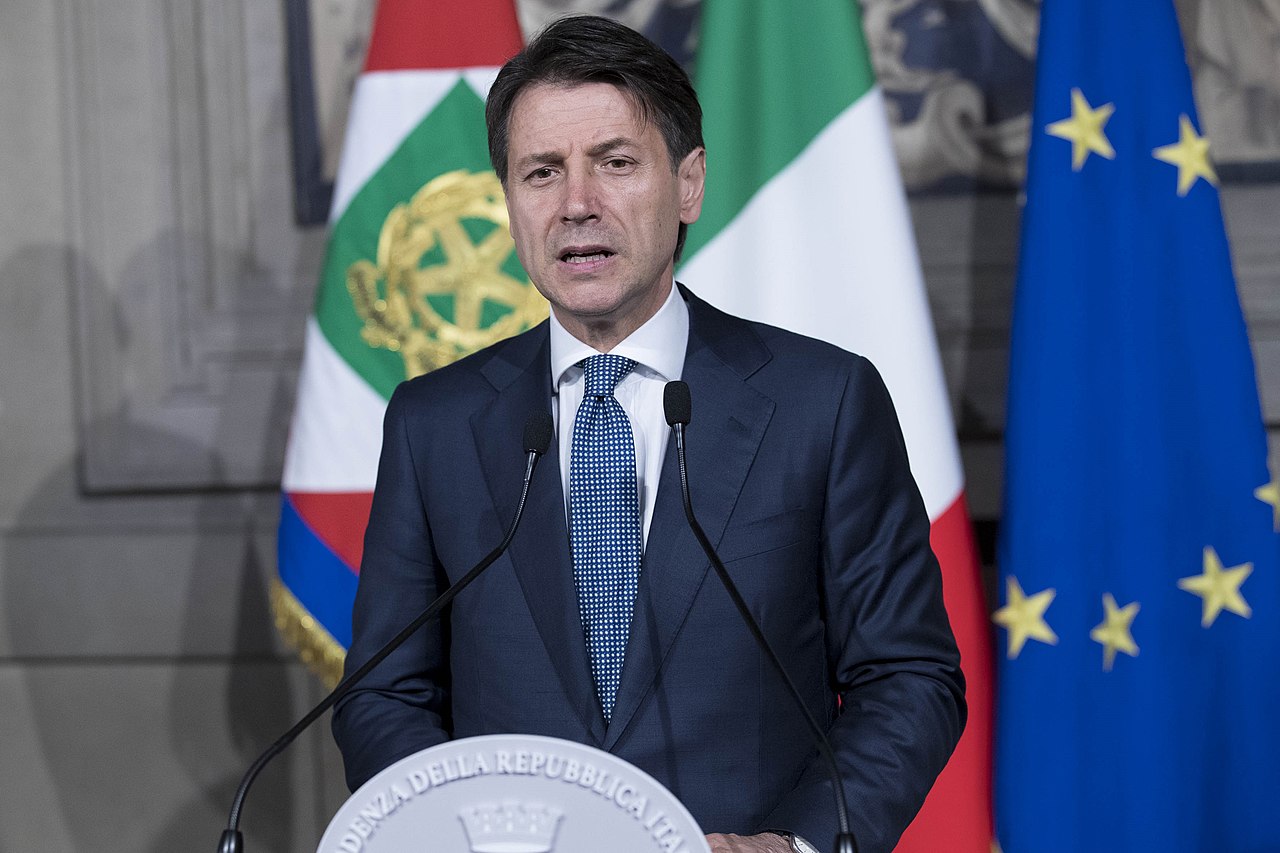
The movement was founded in October 2009 by comedian and activist Beppe Grillo and web strategist Gianroberto Casaleggio. Grillo provided a public face and mass rallies, while Casaleggio developed the movement’s online infrastructure. Initially organized around local lists and grassroots activism, M5S grew rapidly by tapping public frustration with traditional parties, corruption scandals and austerity policies. Leadership and organizational arrangements have evolved over time: Grillo remained a prominent founder and spokesperson in the movement’s early years, Luigi Di Maio assumed a leading role in 2017, and the former prime minister Giuseppe Conte later became a central figure in party leadership.
Ideology and policies
The Five Star Movement mixes positions drawn from different political traditions and is best described as syncretic. Core themes include:
- Direct democracy: heavy reliance on online platforms and member consultations to decide internal positions and candidate selections.
- Anti‑corruption and transparency: proposals to limit perks for elected officials, increase open data and reform public procurement.
- Environmentalism: promotion of renewable energy, sustainable development and greater scrutiny of large infrastructure projects.
- Welfare and economic measures: advocacy for forms of income support for vulnerable households alongside calls for public investment.
Positions on Europe and immigration have shifted over time; early Eurosceptic tendencies moderated as the movement matured and engaged in governing coalitions.
Organization and decision‑making
M5S is notable for using a digital platform—often referred to in public debate as "Rousseau"—to involve registered supporters in policy discussions, nominations and internal votes. The movement’s structure has combined strong central figures with decentralized local groups. This hybrid model generated debate about internal democracy, accountability and the legal status of party assets and digital tools. Official party documents and registrations provide formal details about structure and statutes at founding records.
Electoral performance and governments
Throughout the 2010s the movement made significant electoral gains. It entered national politics with notable results in the early 2010s, obtained a large parliamentary presence in the 2013 elections and became the single largest party after the 2018 general election. Following the 2018 result, M5S formed the Conte I Cabinet in coalition with the right‑wing Lega. After that cabinet ended, the movement later joined a different coalition that produced the Conte II Cabinet alongside the centre‑left Democratic Party. The movement has also at times supported or tolerated technocratic administrations and participated in regional and local government coalitions. Detailed electoral and parliamentary data are available through official parliamentary records.
European relations
In the European Parliament the party’s delegation has shifted affiliation. From 2014 M5S MEPs sat with the Europe of Freedom and Direct Democracy group (EFDD), reflecting a more Eurosceptic orientation at the time, but in 2017 party members voted to leave that grouping and subsequently debated new alignments. The group of MEPs has at times been non‑attached or associated differently as the party’s European stance evolved; official records note the changes in representation and group membership at the European Parliament.
Controversies and criticisms
M5S has faced criticism on several fronts, including the concentration of influence among founding figures, disputes over the transparency and governance of its online platforms, and disagreements about candidate vetting and internal sanctions. Observers and opponents have also pointed to tensions between the movement’s nominal commitment to direct participation and the practical needs of coalition governance. These debates have been part of wider discussions on how new digital movements institutionalize when they enter government.
Legacy and impact
The Five Star Movement reshaped Italian politics by bringing issues of participatory democracy, transparency and environmental policy to greater prominence. Its electoral rise contributed to a period of political realignment in Italy, influencing how established parties approach digital engagement and anti‑corruption messaging. The movement’s long‑term trajectory remains debated: while it has institutionalized to an extent by governing and holding ministerial office, questions persist about ideological coherence, internal democracy and the sustainability of its membership model.
Further reading and resources
- Official party name and resources
- Analytical profiles of the movement
- Founding documents and statements
- Biographical notes on Giuseppe Conte
- Beppe Grillo: public role and biography
- Gianroberto Casaleggio and the web strategy
- Key electoral and parliamentary data
- Information on coalition partners (Lega)
- Information on coalition partners (Democratic Party)
- European Parliament group EFDD
- European Parliament records and delegations
Related articles
Author
AlegsaOnline.com Five Star Movement (Movimento 5 Stelle) Leandro Alegsa
URL: https://en.alegsaonline.com/art/34696
Sources
- bbc.com : "Five Star and League: Italy populist leaders close to government deal"
- aljazeera.com : "Can Beppe Grillo's internet democracy work?"
- facebook.com : Beppe Grillo: "La causa della crisi è la globalizzazione"
- edition.cnn.com : The maverick populists striking fear into Italy's mainstream parties
- theguardian.com : "Ukip's EU funding at risk after M5S quits Nigel Farage's Brussels group"