
Giuseppe Conte
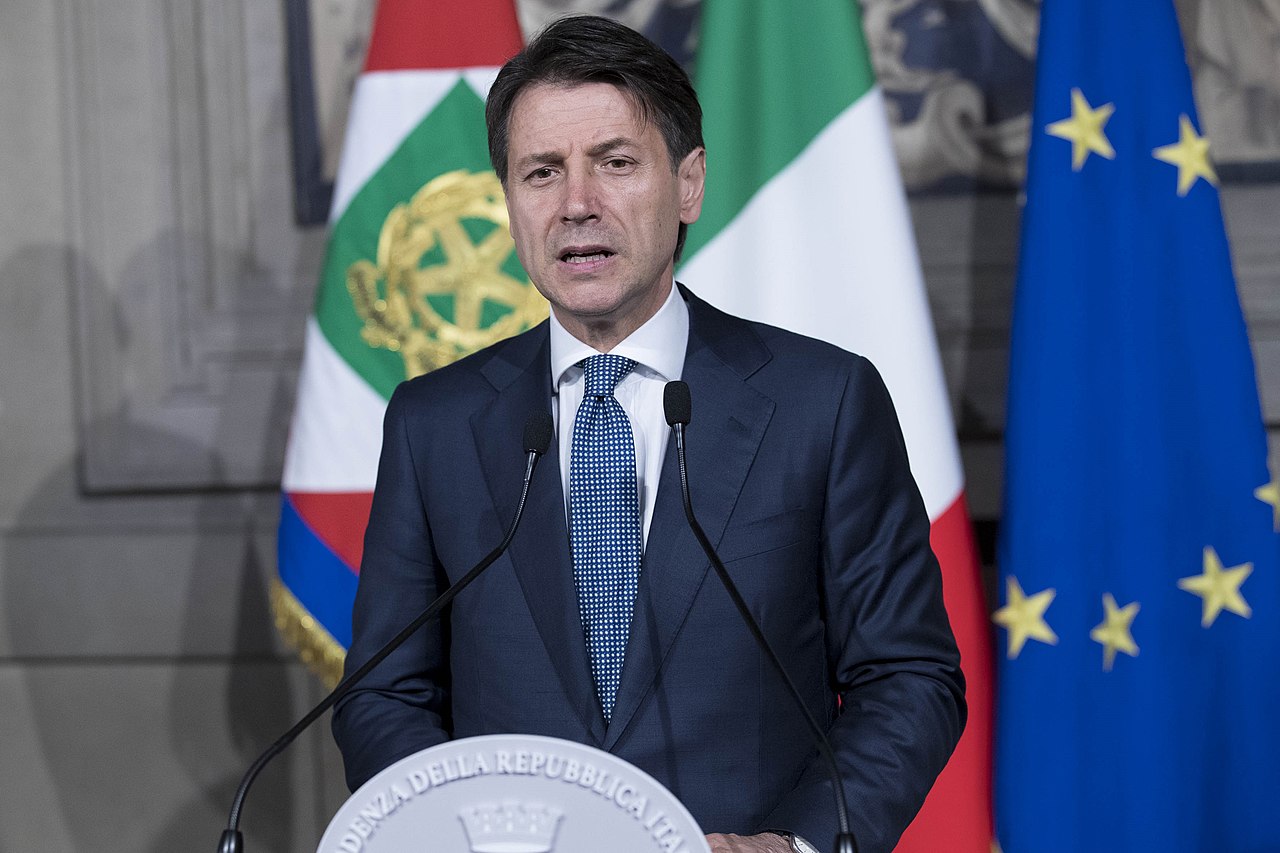
Giuseppe Conte (born 8 August 1964) is an Italian jurist and academic who served as Italy’s prime minister from June 2018 to February 2021, leading two successive coalition governments.
Giuseppe Conte (born 8 August 1964) is an Italian legal scholar and public figure who served as the 58th Prime Minister of Italy from June 2018 to February 2021. A trained lawyer and university professor, Conte entered national politics as an independent figure brought forward to head coalition governments. He is often described as a jurist and — later in his career — a politician, though he began without formal party membership.
Image gallery
10 Images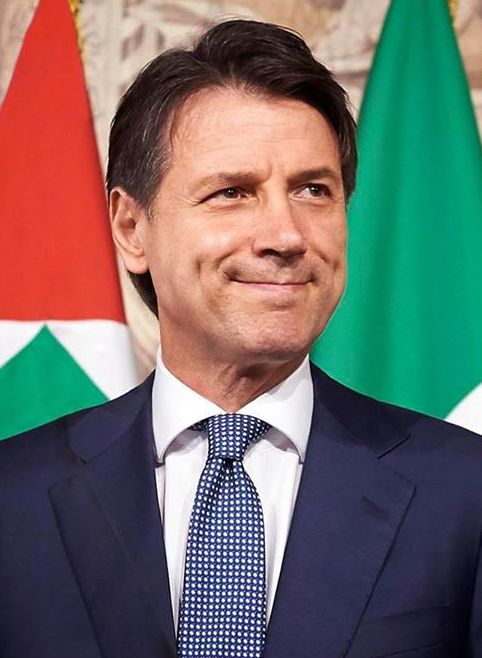




Early life and legal career
Conte trained in law and built a career in academia and consulting before entering politics. He taught private and civil law at Italian universities and worked as a legal consultant for public institutions and private clients. His professional background emphasized civil law, contract law and administrative law, and he was known in academic circles rather than as a public political figure prior to 2018.
Premiership and political role
Conte became prime minister in June 2018 as the compromise candidate leading a coalition between the Five Star Movement (Movimento 5 Stelle) and the right-wing League (Lega). That government, often called the Conte I Cabinet, pursued a mix of populist, welfare-oriented and securitarian measures. In August 2019 the League’s withdrawal of support prompted Conte to resign; he was reappointed later that month to lead a new coalition (Conte II) formed by the Five Star Movement, the center-left Democratic Party and other smaller groups, excluding the League.
Crisis, pandemic leadership and resignation
Conte’s second term coincided with the COVID-19 pandemic. His government imposed nationwide restrictions in early 2020, including regional and national lockdowns, emergency health measures and economic support interventions intended to protect workers and businesses. The pandemic heavily shaped his legacy: Conte gained visibility as the face of Italy’s response while also facing criticism over economic strains and policy trade-offs. Political fractures re-emerged in January 2021 when a key coalition partner withdrew support; Conte offered his resignation in late January and left office in February 2021, when Mario Draghi succeeded him as prime minister.
Policies, style and significance
Conte was often characterized as a technocratic and conciliatory leader who combined legal training with pragmatic crisis management. His governments emphasized social safety measures, debt-financed economic relief during the pandemic and active participation in European-level negotiations on recovery funding. As an initially non-partisan head of government who later operated within party coalitions, Conte represents a recent Italian phenomenon where experts and jurists play leading political roles.
Notable facts and timeline
- Born 8 August 1964; professional background as a law professor and consultant.
- Served two consecutive cabinets: Conte I (2018–2019) and Conte II (2019–2021).
- Resigned after a political crisis in August 2019, then reappointed to form a new coalition.
- Led Italy through the early phase of the COVID-19 pandemic and its economic aftermath, resigning in February 2021.
For more detailed accounts of his academic writings, government decrees and political alliances, consult contemporary news sources and legal publications that document his decisions and the evolving coalitions he led. Academic profile, political overview and official timeline materials provide additional context.
Related articles
Author
AlegsaOnline.com Giuseppe Conte Leandro Alegsa
URL: https://en.alegsaonline.com/art/119874
Sources
- agi.it : Il premier tecnico di un governo politico
- today.it : Valentina, chi è l’ex moglie di Giuseppe Conte
- huffingtonpost.it : "Raggiunto l'accordo per un governo M5S-Lega con Conte premier"
- theguardian.com : "Italian PM announces resignation in speech"
- agi.it : "C'è l'accordo tra M5s e Pd. Governo giallorosso ai nastri di partenza"