
First Motion Picture Unit (FMPU) — USAAF film production unit in World War II
The First Motion Picture Unit was the U.S. Army Air Forces’ film production organization in WWII, producing hundreds of training, propaganda and theatrical films with Hollywood talent and technical crews.
Overview
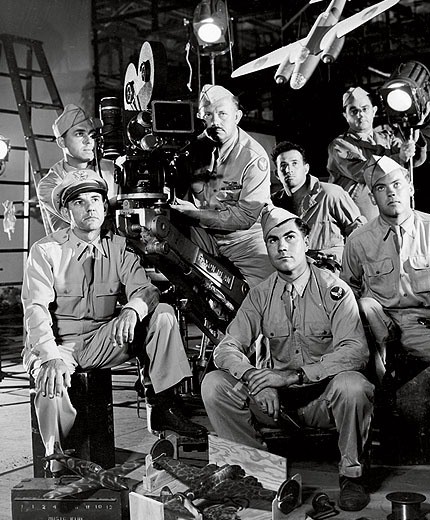
The First Motion Picture Unit (FMPU), later reorganized as the 18th Army Air Forces Base Unit, was the principal film-production organization of the United States Army Air Forces during World War II. Often described as the first military film unit composed largely of entertainment-industry personnel, it combined military discipline with Hollywood production methods to make instructional, morale and public-information films for both military and civilian audiences. The unit produced more than 400 separate films and shorts addressing everything from technical training to theatrical documentaries and propaganda; many were also distributed to commercial theaters and newsreels to reach the public. See more on the unit’s role with the USAAF.
Image gallery
5 Images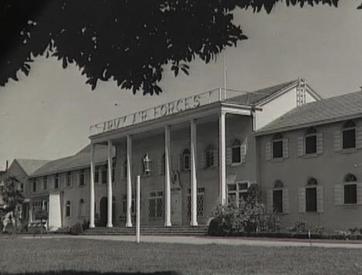



Organization and activities
The FMPU operated much like a studio, with producers, directors, writers, editors, sound technicians and cameramen organized into production units. It made instructional films for aircrew and ground personnel as well as documentaries and dramatized pieces intended to inform, instruct or rally public opinion. Typical subjects included aircraft recognition and maintenance, gunnery, navigation, survival and counter-interrogation techniques. Production values ranged from brief training reels to feature-length documentaries that later circulated in theaters. The unit also established programs to train combat photographers and news cameramen, preparing them for dangerous frontline work.
People and notable members
The FMPU drew heavily on Hollywood talent who either volunteered or were recruited into service. Well-known actors and filmmakers served in the unit, contributing both on-screen and behind the camera. Among the familiar names associated with the unit are Clark Gable, William Holden, Clayton Moore and Ronald Reagan. Directors, editors and writers who later had significant civilian careers also worked there; figures such as John Sturges gained experience directing military productions. The unit’s resident narrator for a self-produced 1943 documentary was radio and television announcer Ken Carpenter, who helped explain the unit’s mission to civilian and military viewers.
Notable productions and uses
FMPU output included a mix of training films, recruitment pieces, morale-boosting shorts and theatrically released documentaries. Representative titles include Resisting Enemy Interrogation, a dramatized training film; Memphis Belle: A Story of a Flying Fortress, which recounted a bomber crew’s experience; and The Last Bomb, a wartime documentary that reached theatrical audiences. Many productions served dual purposes: instructing servicemen while informing or persuading the home front. The unit’s films are often cited for combining entertainment techniques with clear instructional content, making complex technical subjects easier to understand and remember.
Legacy and significance
The First Motion Picture Unit left a lasting imprint on both military training practices and popular cinema. During the war it accelerated collaboration between the armed services and the entertainment industry and advanced the use of film as a central tool for instruction and public-information campaigns. After the war many FMPU veterans returned to Hollywood carrying technical skills, production methods and documentary experience that influenced postwar films and early television. For perspectives on its wartime film output and influence, consult historical summaries of wartime propaganda and training efforts at propaganda films and distribution histories at theatrical distribution.
Further notes and distinctions
- The unit operated in studio spaces adapted for military use and often collaborated with civilian studios and technicians.
- It trained combat cameramen who were sent to front-line units to document operations and collect tactical intelligence.
- Its mix of entertainment values and practical instruction set standards for later military training films and documentary practice.
- More detailed biographical and filmographic material on participants and productions can be explored via dedicated archives and veteran oral histories; some resources and collections provide curated lists of FMPU titles and personnel at Clark Gable profiles, William Holden records, Clayton Moore references and collections noting Ronald Reagan’s wartime service.
The First Motion Picture Unit represents a notable wartime collaboration: it married the technical needs of modern air warfare with the storytelling and production skills of Hollywood. That combination produced instructional films that were practical, persuasive and often of lasting historical interest.
Related articles
Author
AlegsaOnline.com First Motion Picture Unit (FMPU) — USAAF film production unit in World War II Leandro Alegsa
URL: https://en.alegsaonline.com/art/34578
Sources
- oscars.org : "Oral History with Owen Crump" · archive.is
- midatlanticnostalgiaconvention.com : midatlanticnostalgiaconvention.com