
Maximilian I of Mexico: Habsburg ruler of the Second Mexican Empire
A concise, balanced account of Maximilian I (1832–1867): his Habsburg origins, naval career, acceptance of the Mexican crown, liberal reforms, fall after French withdrawal, and legacy.
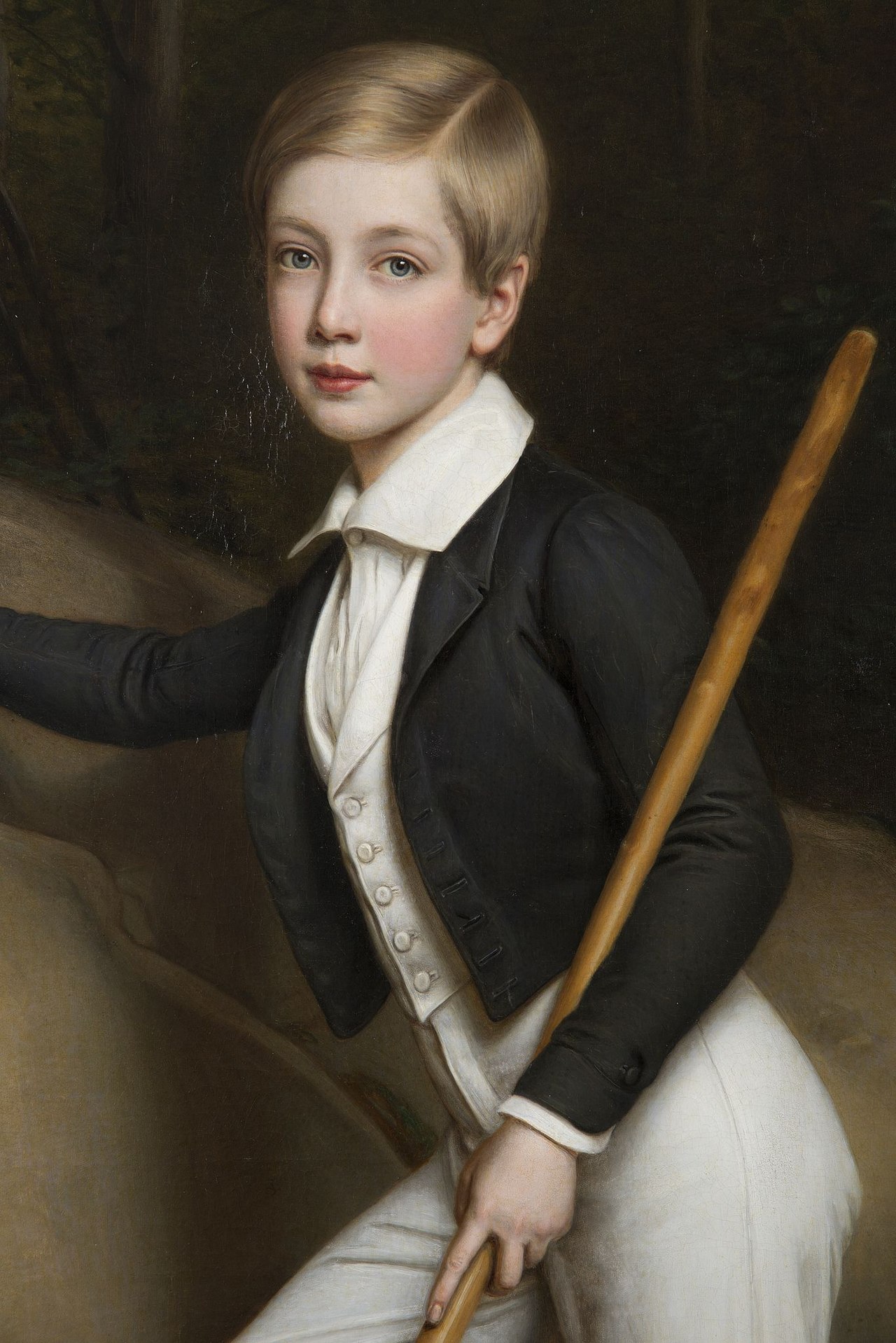
Maximilian Joseph, widely known as Maximilian I of Mexico, was an Austrian archduke of the Imperial House and the cadet branch commonly called Habsburg‑Lorraine. Born into the imperial family in 1832 during the reign of Emperor Francis II, he spent his early life at the courts of central Europe and was the younger brother of Emperor Franz Joseph I. His mother, Princess Sophie, belonged to the House of Wittelsbach. Rumours about his parentage circulated in contemporary salons and memoirs: some suspected a connection to Napoleon II, a claim historians treat with caution rather than certainty.
Before his Mexican venture Maximilian built a reputation as a reform‑minded officer and patron of science and the arts. He served in the imperial military and had a notable career in the Austrian naval service, an experience that shaped his administrative outlook and taste for practical modernization. In the context of French intervention in Mexico the conservative Mexican faction, backed by Napoleon III, offered him the crown; he was ultimately proclaimed Emperor of the short‑lived Second Mexican Empire. The arrangement rested on foreign military support and a fragile domestic coalition that included monarchists, some clerical interests, and foreign investors.
Image gallery
10 Images



Reforms and policies
Once installed, Maximilian tried to combine monarchical ceremony with progressive laws in the hope of winning broader support. He was struck by the contrast between wealthy estates and the conditions of rural and urban poor, a gap often noted in contemporary descriptions of hacienda life. Early imperial decrees emphasized limits on labor exploitation, civil liberties, and modest social relief.
- Labor and welfare: He promoted restrictions on working hours and moves to end certain forms of child labour.
- Peasant relief: Reports say his government cancelled small peasant debts (often cited in popular accounts at about 10 pesos) and sought to preserve some communal land rights rather than allow wholesale privatization.
- Justice and discipline: The regime proclaimed limits on corporal punishment and sought legal safeguards against arbitrary violence (corporal punishment).
- Religious and political concessions: He adopted relatively liberal positions on religious freedom and expanded civil rights beyond the traditional landholding elite.
These measures earned him plaudits from liberal observers but alienated powerful conservative landowners and sectors of the Church who had expected a more traditionalist rule. Contemporary comment also emphasized his and Empress Carlota’s social initiatives, such as charity events intended to raise funds for poor relief and public institutions.
Deposition, capture and execution
Maximilian’s throne depended on French troops. When political pressure and military costs forced Napoleon III to withdraw most French forces, the emperor’s position collapsed. Republican forces under Benito Juárez regrouped and advanced with the aim of restoring the republic and the principle of republicanism. Maximilian ultimately refused offers to abdicate and leave with the remaining French, believing he could retain popular support and a legal claim to the crown. He was defeated in the field, taken prisoner by the republican army, and executed following a court martial; contemporary accounts record the method of execution as by firing squad. His death in 1867 ended the imperial interlude and restored Juárez’s government.
Legacy assessments remain mixed. Some historians stress Maximilian’s sincere if ill‑timed commitment to moderate reform and legalism; others emphasize the imperial project’s dependence on foreign arms and the disconnect between an imported monarchy and Mexican political realities. Monuments, diplomatic controversy, and cultural memory in both Mexico and Europe have kept his story alive as a complex episode in 19th‑century transatlantic politics. For additional context and primary materials, readers can consult contemporary documents and specialized histories listed under archival and online resources, including several collections linked here: debt policies, estates and haciendas and broader studies of the period.
Questions and answers
Q: Who was Maximilian I of Mexico?
A: Maximilian I of Mexico (1832 – 1867) was a member of the Imperial House of Habsburg-Lorraine and Emperor of Mexico during the Second Mexican Empire.
Q: What was Maximilian's relationship to Napoleon II?
A: Many Europeans, and Viennese in particular, suspected that he was actually fathered by Napoleon II of France. There was a close relationship between Sophie and Napoleon II. It was said that Sophie never recovered after his death and that she blamed it on Metternich for the rest of her life.
Q: What were some reforms implemented by Maximilian as Emperor?
A: As Emperor, Maximilian restricted working hours and abolished child labour, cancelled all debts for peasants over 10 pesos, restored communal property and forbade all forms of corporal punishment. He also supported land reforms, religious freedom, and extending the right to vote beyond the landholding class.
Q: How did Empress Carlota help raise money for poor houses?
A: Empress Carlota held parties for wealthy Mexicans to raise money for poor houses.
Q: What caused opposition from wealthy landowners towards Maximilian's rule?
A: The liberal policies implemented by Maximilian caused opposition from the wealthy landowners led by Benito Juárez under the banner of republicanism.
Q: How did Maximilian's rule end?
A: Maximilian was captured by Benito Juarez’s Republican forces and executed by firing squad on 19 June 1867.
Related articles
Author
AlegsaOnline.com Maximilian I of Mexico: Habsburg ruler of the Second Mexican Empire Leandro Alegsa
URL: https://en.alegsaonline.com/art/63029