
An'ei: Japanese era name (1772–1781) during the mid-Edo period
An'ei (安永) was a Japanese era name from November 1772 to March 1781. This article explains its meaning, historical context under the Tokugawa shogunate, the imperial succession, and cultural background.
An'ei (安永) is the Japanese era name, or nengō, that ran from November 1772 through March 1781. Era names are a traditional way of marking time in Japan and are changed for reasons ranging from auspicious omens to political decisions. An'ei is commonly translated as "Eternal Tranquility" or "Peaceful and Long," reflecting the aspirational tone typical of nengō.
Image gallery
4 Images


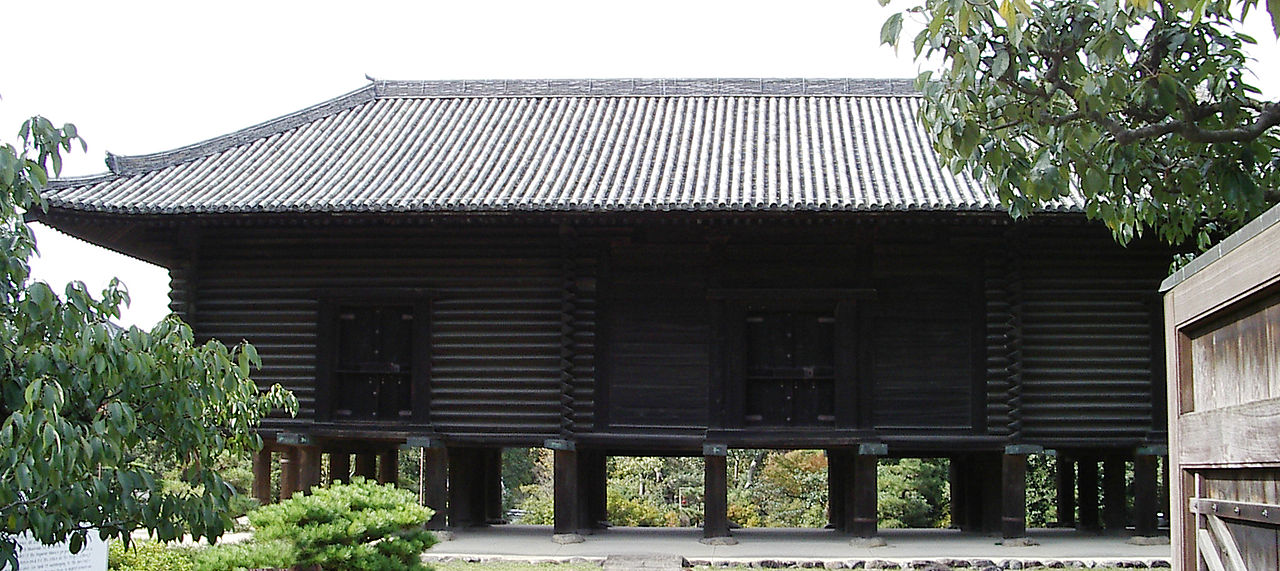
Overview and chronological placement
The An'ei era followed Meiwa and preceded Tenmei. It falls within the mid-Edo period, when real political power rested with the Tokugawa shogunate in Edo (modern Tokyo) while emperors in Kyoto held chiefly ceremonial and ritual authority. Because Japanese dates of the time were recorded using a lunisolar calendar, the precise western-calendar equivalents are given as the start and end months above.
Imperial succession and political context
Two emperors reigned during An'ei. The period began under Emperor Go-Momozono and continued after the succession of Emperor Kōkaku. Although the imperial court maintained its traditional cultural and religious roles, governance and national policy were directed by the bakufu (shogunate). The An'ei years therefore should be understood in the context of Tokugawa administration, domainal (han) governance, and the social order of the Tokugawa system.
Cultural and intellectual currents
The late 18th century in Japan was rich in cultural production. Urban arts such as kabuki theatre, ukiyo-e prints, literary forms like haikai and yomihon, and practical studies of natural science and medicine were active. Interest in Western knowledge, primarily through limited Dutch trade at Nagasaki (rangaku or "Dutch learning"), continued to grow as scholars and practitioners translated and adapted foreign texts into Japanese. These intellectual currents shaped commercial life, medical practice, and artistic styles during and after the An'ei years.
Notable characteristics and significance
- Era-name meaning: An'ei's characters convey a wish for lasting peace and stability.
- Institutional setting: The era sits squarely within Tokugawa rule, when the shogunate regulated foreign contacts and internal order.
- Cultural continuity: Artistic and scholarly trends of the Edo period continued to develop, influencing later reforms and reactions in the Tenmei and Kansei eras.
Because era names are part of both historiographical practice and cultural symbolism, An'ei serves as a temporal label for historians studying mid- to late-18th-century Japan. For more on the system of Japanese era names and adjacent eras, see resources on the nengō system and the neighboring eras Meiwa and Tenmei.
Related articles
Author
AlegsaOnline.com An'ei: Japanese era name (1772–1781) during the mid-Edo period Leandro Alegsa
URL: https://en.alegsaonline.com/art/4084
Sources
- books.google.com : Japan Encyclopedia
- books.google.com : Japan Encyclopedia
- books.google.com : Japan Encyclopedia
- books.google.com : Shogun's Painted Culture: Fear and Creativity in the Japanese States, 1760-1829
- books.google.com : Japan Encyclopedia
- books.google.com : Japan Encyclopedia
- books.google.com : Japans Kaiserhof in der Edo-Zeit: unter besonderer Berucksichtigung der Jahre 1846 bis 1867
- books.google.com : Japans Kaiserhof in der Edo-Zeit: unter besonderer Berucksichtigung der Jahre 1846 bis 1867