
Felix Hoffmann — German chemist credited with developing aspirin
German chemist (1868–1946) credited with synthesizing acetylsalicylic acid, later marketed as Aspirin; his work at Bayer influenced pain relief and generated debate about attribution.
Overview
Felix Hoffmann (21 January 1868 – 8 February 1946) was a German chemist best known for producing a stable form of acetylsalicylic acid while working at the Bayer research laboratories in the late 19th century. That compound became the active ingredient of the widely used drug Aspirin, which transformed modern approaches to pain, fever and inflammation management.
Image gallery
2 Images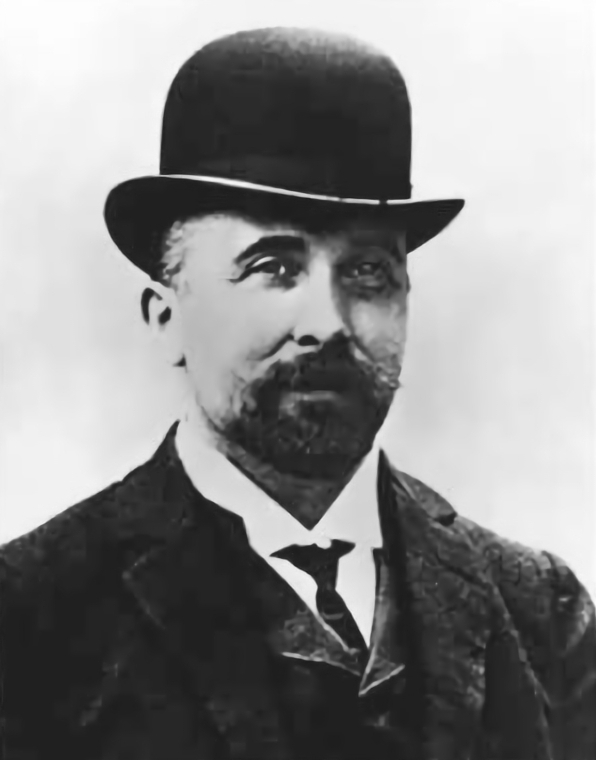

Work and discovery
In 1897 Hoffmann is commonly credited with acetylating salicylic acid to produce acetylsalicylic acid, a derivative that preserved therapeutic effects but caused less gastric irritation than crude salicylates then in use. Bayer patented and marketed the compound commercially at the turn of the century, establishing aspirin as a major pharmaceutical product.
Impact and uses
Aspirin quickly became a broadly used analgesic and antipyretic. Over the 20th century its applications expanded to include anti-inflammatory uses and, at low doses, antiplatelet therapy to reduce the risk of heart attack and stroke. The drug’s accessibility and effectiveness made it one of the best-known and most widely used medicines worldwide.
Controversy and attribution
Although Hoffmann is the name most often associated with the synthesis, historical accounts note debate about who should receive full credit. Some later researchers and company records suggest other colleagues may have contributed to the development and testing process. Modern histories treat Hoffmann as a principal figure while acknowledging collaborative and contested elements in the discovery story.
Notable facts
- Born in 1868 and died in 1946.
- Worked at Bayer’s laboratories during the period when acetylsalicylic acid was developed and commercialized.
- The aspirin name became a global trademark and common noun for the product marketed by Bayer.
- His work helped shift pharmaceutical practice toward more tolerable, mass-marketed analgesics.
Hoffmann’s contribution is remembered both for its scientific outcome and for the wider social and medical changes that followed. The story of aspirin illustrates how laboratory chemistry, industrial production, and medical practice can interact to produce a drug with enduring global significance.
Related articles
Author
AlegsaOnline.com Felix Hoffmann — German chemist credited with developing aspirin Leandro Alegsa
URL: https://en.alegsaonline.com/art/33930
Sources
- bayer.com : "Felix Hoffmann"
- wikidata.org : wikidata.org/wiki/Q61232
- d-nb.info : 137596863
- isni.org : 0000 0000 5555 2778
- id.loc.gov : no2005037993
- viaf.org : 9575117
- worldcat.org : lccn-no2005037993