
Aspirin (acetylsalicylic acid): uses, mechanism, history and precautions
Aspirin (acetylsalicylic acid) is a widely used analgesic, antipyretic and anti‑platelet drug. This article explains its actions, history, common uses, formulations and important safety considerations.
Overview
Aspirin, chemically acetylsalicylic acid, is a well‑established medicine used to relieve pain, lower fever and reduce inflammation. It also has a recognized anti‑platelet (blood clot‑reducing) action that is used in the prevention and treatment of some cardiovascular events. Aspirin is widely available in over‑the‑counter and prescription preparations and appears in many clinical guidelines for specific indications.
Image gallery
7 Images




How aspirin works
Aspirin irreversibly inhibits cyclooxygenase enzymes (COX‑1 and COX‑2), which are needed to form prostaglandins and thromboxanes. Lowered prostaglandin levels reduce pain, fever and inflammation; reduced thromboxane A2 production in platelets reduces their ability to aggregate and form clots. Because platelets cannot synthesise new COX enzyme, a single dose of aspirin impairs the function of affected platelets for their lifespan (commonly cited as about 7–10 days), which is why its antiplatelet effect is durable after dosing.
Formulations and common dosages
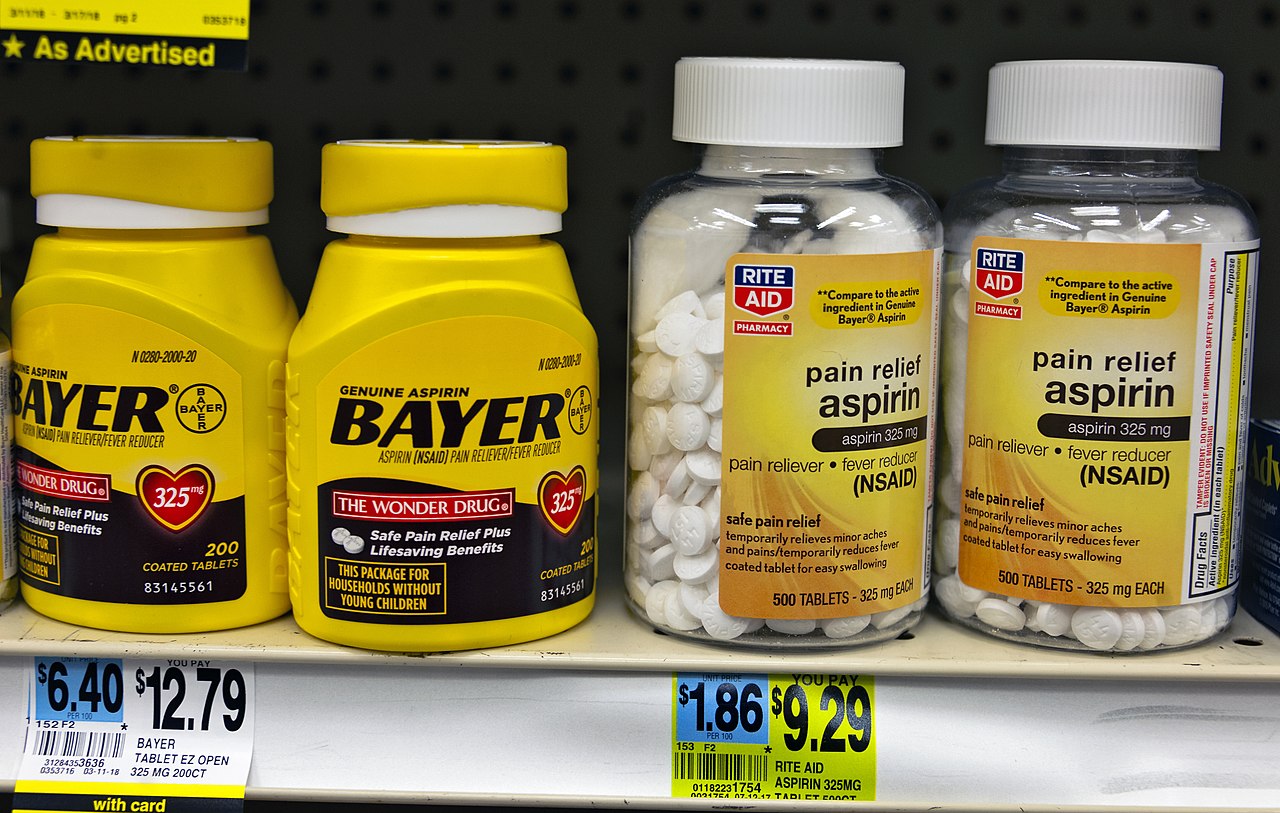
Aspirin is produced in plain tablets, enteric‑coated tablets, effervescent forms, chewable and dispersible tablets, suppositories and combination preparations. Enteric coatings delay release and may reduce upper‑gastric irritation in some people but do not eliminate bleeding risk. Low‑dose aspirin (often in the range of 75–100 mg daily in many countries) is used for antiplatelet purposes; higher doses are used for analgesia and anti‑inflammatory effects. Specific doses and schedules depend on indication, patient characteristics and local medical advice.
Clinical uses
Common short‑term uses include treatment of mild to moderate pain (such as headaches or musculoskeletal pain) and reducing fever. Aspirin can relieve inflammatory symptoms in conditions such as osteoarthritis and some forms of inflammatory arthritis (inflammation), though other anti‑inflammatory drugs may be chosen for chronic management. In cardiovascular medicine, aspirin’s antiplatelet effect (antiplatelet effect) is used to reduce the risk of repeat heart attacks and strokes in people with established disease by affecting circulating platelets and the dynamics of blood clotting. In acute settings, guidelines commonly recommend giving aspirin promptly if a heart attack is suspected, because of its rapid antiplatelet benefit.
Safety, adverse effects and toxicity
Gastrointestinal irritation, gastritis, peptic ulcers and gastrointestinal bleeding are among the most frequent adverse effects; the risk increases with higher doses and prolonged use. Aspirin can affect kidney function in susceptible people and with prolonged or high dosing (kidney risks). Salicylate toxicity (overdose) can cause clinical features such as tinnitus (ringing in the ears), rapid breathing and disturbances of acid–base balance and consciousness in severe cases. Children and adolescents recovering from viral infections should not be given aspirin because of the risk of Reye's syndrome, a rare but serious disorder affecting liver and brain function.
Who should be cautious or avoid aspirin
People with a history of gastrointestinal bleeding, certain kidney disorders (kidney disease), bleeding disorders such as hemophilia, or those with known allergy to aspirin should avoid it unless under medical supervision. Those with gout or high uric acid (gout, hyperuricemia) may require tailored advice because aspirin can alter uric acid handling. Individuals with asthma who experience bronchospasm provoked by aspirin or other nonsteroidal anti‑inflammatory drugs should avoid these medicines (asthma), a pattern sometimes described as aspirin‑exacerbated respiratory disease. Drug interactions are important: some nonsteroidal anti‑inflammatory drugs such as ibuprofen can interfere with aspirin’s antiplatelet effect if taken concomitantly, and combined use with anticoagulants increases bleeding risk.
Surgery, pregnancy and special situations
Because aspirin irreversibly inhibits platelets, clinicians commonly advise stopping it several days before elective surgery to reduce bleeding risk; the required interval depends on the clinical context. In pregnancy, routine use of aspirin is not generally advised without medical oversight; however, low‑dose aspirin is sometimes recommended by obstetricians in specific high‑risk pregnancies to help prevent preeclampsia. Any use during pregnancy should be discussed with a healthcare professional.
History and legal notes
The analgesic properties of willow bark and related plant extracts have been known for centuries. In the late 19th century chemists produced acetylsalicylic acid as a more tolerable derivative of salicylic acid; the modern drug formulation was synthesised and introduced commercially in Germany in 1897. Over the 20th century it became widely manufactured and marketed under brand names and generics; the name "aspirin" is a proprietary brand in some countries and a generic term in others (origin, manufacturer, trademark).
Practical guidance
- For acute pain or fever, follow dosing instructions on the product label or a clinician’s recommendation and avoid use in children with viral illnesses (Reye's syndrome).
- Low‑dose aspirin for cardiovascular prevention is commonly used for secondary prevention (after a heart attack or stroke) while its role in primary prevention is assessed individually due to bleeding risks; discuss with a clinician.
- Inform healthcare providers about aspirin use before procedures and when taking other medicines, particularly anticoagulants or other NSAIDs (ibuprofen).
If you are considering aspirin for regular use, for prevention or for a particular medical situation, consult a qualified healthcare professional to weigh benefits and risks, confirm the appropriate formulation and dose, and review possible interactions and contraindications.
Questions and answers
Q: What is aspirin used for?
A: Aspirin is most commonly used as a pain killer, or to reduce fever or inflammation. It also has an anti-platelet effect which reduces the number of platelets in the blood and reduces blood clotting, making it useful for preventing heart attacks.
Q: Is aspirin one of the most-used medical drugs in the world?
A: Yes, aspirin is one of the most-used medical drugs in the world.
Q: Are there any side effects associated with taking aspirin?
A: Yes, there are some possible side-effects to this drug. For example, large amounts can damage the kidneys. Children taking aspirin can develop Reye's syndrome which causes the liver to become fatty and not work properly and also the brain to become enlarged. Reyes syndrome can be fatal, but most children survive it with treatment.
Q: Who should not take aspirin without consulting a doctor first?
A: People with lung, kidney disease, gout, hyperuricemia (high amounts of uric acid in the blood), hemophilia (a blood clotting disorder), diabetes or high blood pressure should not take aspirin except on the advice of a qualified medical professional. Nor should people who are allergic to it, to ibuprofen or to naproxen. People with asthma where attacks are brought about by aspirin should avoid using any anti-inflammatory drugs based on it.
Q: When was Aspirin invented?
A: Aspirin was invented in Germany in 1897.
Q: Does Bayer have a trademark on "aspirin"?
A: Yes, Bayer has a trademark on the brand name "aspirin" in 80 countries; however "aspirin" is still considered as common name for this drug in other countries too.
Related articles
Author
AlegsaOnline.com Aspirin (acetylsalicylic acid): uses, mechanism, history and precautions Leandro Alegsa
URL: https://en.alegsaonline.com/art/6686
Sources
- medicinescomplete.com : "Aspirin"
- reference.medscape.com : "Zorprin, Bayer Buffered Aspirin (aspirin) dosing, indications, interactions, adverse effects, and more" · web.archive.org
- wikidata.org : wikidata.org/wiki/Q18216
- d-nb.info : 4000351-6
- id.ndl.go.jp : 00577498