
Felicity and Perpetua
Early 3rd‑century Christian martyrs from Carthage, remembered for Perpetua’s prison diary and Felicity’s birth in captivity. Their martyrdom is commemorated on March 7.
Overview
Felicity and Perpetua were Christian women martyred in Carthage in the early 3rd century. Their deaths, traditionally dated to 7 March 203, are among the best‑documented martyrdoms of antiquity. The episode is central to the story of early North African Christianity and has been transmitted through a short but powerful account often called the Passion of Saints Perpetua and Felicity. The setting and social roles involved are reflected in sources that identify them with the city of Carthage and with early Christian communities.
Image gallery
3 Images

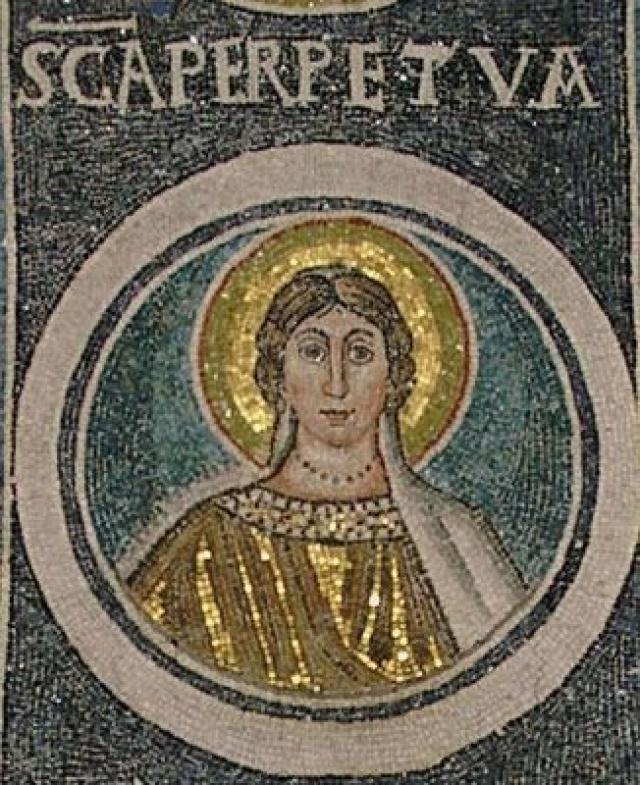
Their story
Perpetua was a young mother and of free status; Felicity was her servant and was pregnant at the time of arrest. Both were arrested with other catechumens and compelled to recant their faith. The narrative describes imprisonment, Perpetua’s visions, the birth of Felicity’s child while incarcerated so she could be executed, and the group’s trial and execution in the amphitheatre. Contemporary accounts identify them specifically as martyrs, and the dramatic details contributed to their lasting fame.
Text and sources
The primary witness is the so‑called Passion: a short composite text that contains a portion written by Perpetua herself, prison records and editorial additions. This first‑person section is notable as one of the earliest extant Christian texts authored by a woman. Later hagiographers, liturgical calendars and manuscript collections preserved and transmitted the account widely.
Veneration and legacy
Perpetua and Felicity are venerated across Western and Eastern Christianity. Their feast is observed on March 7. They appear in art and devotion as symbols of steadfast faith: Perpetua often shown with a book or visions, Felicity with an infant or the sign of motherhood. Their story influenced debates on courage, gender and the role of women in the early Church.
Notable facts and distinctions
- Their account is unusual for preserving a female perspective from antiquity.
- Felicity’s childbirth in prison is a striking detail that shaped later retellings.
- Their martyrdom took place in an urban Roman arena and was witnessed by fellow Christians and pagans.
- They remain commemorated in many Christian calendars and continue to be subjects of historical and theological study; see further resources on Perpetua.
Related articles
Author
AlegsaOnline.com Felicity and Perpetua Leandro Alegsa
URL: https://en.alegsaonline.com/art/33918