
Fartuun Adan (Fartuun Abdisalaan Adan) — Somali social and human-rights activist
Somali humanitarian and peace activist known for leading the Elman Peace Centre, advocating for survivors of conflict and gender-based violence, and supporting reintegration of child soldiers.
Fartuun Abdisalaan Adan (names also rendered in Somali and Arabic) is a Somali social activist whose work focuses on peacebuilding, human rights, and services for survivors of conflict. She is widely identified with community-based programs in Mogadishu that aim to restore social services, support victims of violence and rebuild civic life after prolonged instability.
Image gallery
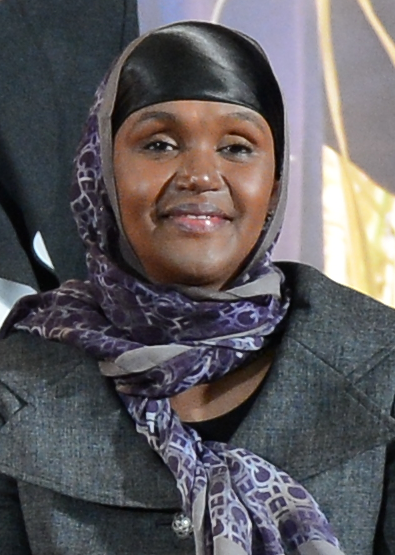
4 Images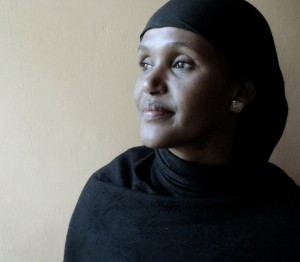


Overview
Adan is best known for continuing and expanding the civic initiatives started by her late husband, a prominent community leader, and for helping to lead an organisation that provides psychosocial support, vocational training and advocacy for vulnerable populations. Her activism bridges relief, rehabilitation and local peace efforts and places emphasis on the needs of women, children and survivors of gender-based violence.
Work and activities
She has been involved in establishing and managing programs that address several interlocking problems produced by conflict: displacement, recruitment of child soldiers, sexual violence and lack of access to basic services. Her approach combines direct service delivery with public advocacy, community dialogue and training for grassroots actors. She has also engaged with international organisations and diplomatic forums to draw attention to Somali civil-society needs.
Key initiatives
- Rehabilitation and reintegration programs for former child combatants and youth at risk.
- Support services for survivors of sexual and gender-based violence, including counselling and referrals.
- Community peacebuilding and civic education projects that promote non-violent dispute resolution.
- Capacity-building activities for local NGOs and outreach to families affected by conflict.
Many of these activities are organised through a civic centre based in Mogadishu that emphasises local leadership and practical recovery measures. The centre works with community volunteers, medical and mental-health professionals and international partners to deliver its services.
Background and significance
Adan spent years outside Somalia as a refugee before returning to support post-conflict recovery—an experience that informs her perspective on diaspora engagement and reconstruction. She has worked alongside a new generation of Somali activists and family members who continue community-based peacework. Her career is often cited as an example of how family-led initiatives can evolve into broader civic movements that address long-term social harm caused by war.
Although operating in a challenging environment, her organisation has become one of the better-known Somali civil-society actors focused on rehabilitation and gender-based violence. Adan’s story illustrates the intersections of loss, resilience and public service in contemporary Somali civic life, and she remains active in program oversight, advocacy and mentoring emerging local leaders.
Related articles
Author
AlegsaOnline.com Fartuun Adan (Fartuun Abdisalaan Adan) — Somali social and human-rights activist Leandro Alegsa
URL: https://en.alegsaonline.com/art/33580
Sources
- cnn.com : "Rape and injustice: The woman breaking Somalia's wall of silence"
- amnesty.org : "Documento - Somalia: Amnistia Internacional condena el asesinato de un pacifista"
- 2009-2017.state.gov : "2013 International Women of Courage Award Winners"
- humanrights.gov : "2013 International Women of Courage Award Winners - HumanRights.gov is the official United States Government website for international human rights related information"
- iwoccelebration.org : "2013 International Women of Courage Award Winners - International Women of Courage Celebration"
- hiiraan.ca : "Canadian sisters on front lines of rebuilding Somalia"
- gaafo.com : "SOMALIA: Government Weekly Press Conference on the Progress"