
Farooq Leghari: Pakistani President and Political Figure (1940–2010)
Overview of Farooq Leghari, a Pakistani politician who served as President from 1993 to 1997, his political career, major actions in office, and legacy.
Farooq Ahmad Khan Leghari (May 29, 1940 – October 20, 2010) was a Pakistani lawyer and politician who served as the President of Pakistan from November 14, 1993, until December 2, 1997. His presidency occurred during a turbulent period of civil‑military and parliamentary politics, and he remains a notable figure for his use of constitutional authority and his role in national governance in the 1990s.
Image gallery
1 Image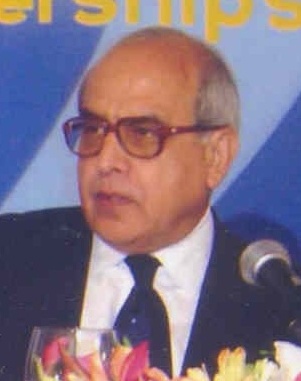
Early life and political rise
Born into a well‑known family in the region that is today part of Pakistan, Leghari trained in law before entering public life. He was active in national politics for decades, participating in parliamentary and party affairs. Over time he became associated with mainstream political currents and held a variety of political responsibilities that brought him into the senior leadership of the state.
Presidency (1993–1997)
Leghari assumed the presidency in 1993 at a moment of political deadlock. During his term he confronted allegations of corruption, administrative failures, and rising law‑and‑order challenges that affected public confidence. In 1996 he made the consequential decision to remove the then‑Prime Minister from office by invoking constitutional powers, an act that highlighted the tensions between the presidency and the elected government.
Later life, death and legacy
After leaving the presidency in late 1997, Leghari continued to be engaged intermittently in public affairs and commentary. He died in October 2010. Observers and historians view his tenure as illustrative of the limits and reach of Pakistan's constitutional presidency during an era of frequent political confrontation and institutional change.
Notable facts
- Served as President of Pakistan from 1993 to 1997.
- Known for using constitutional authority to remove a sitting prime minister amid allegations of misconduct.
- Remains a reference point in discussions about the balance of power between Pakistan's presidency and parliament.
For more on the office and context of his term, see related resources.
Related articles
Author
AlegsaOnline.com Farooq Leghari: Pakistani President and Political Figure (1940–2010) Leandro Alegsa
URL: https://en.alegsaonline.com/art/33569