
Igor Stravinsky
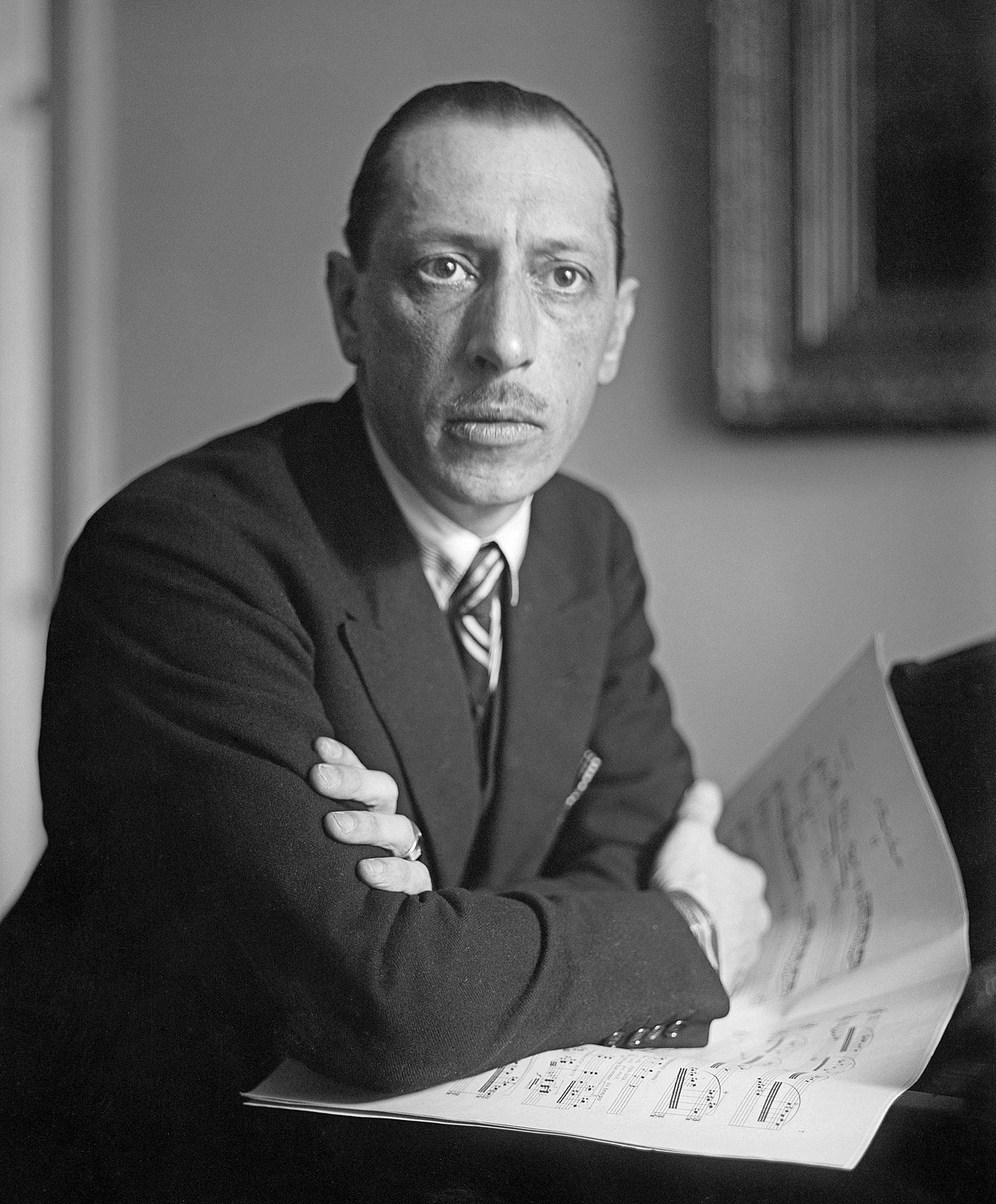
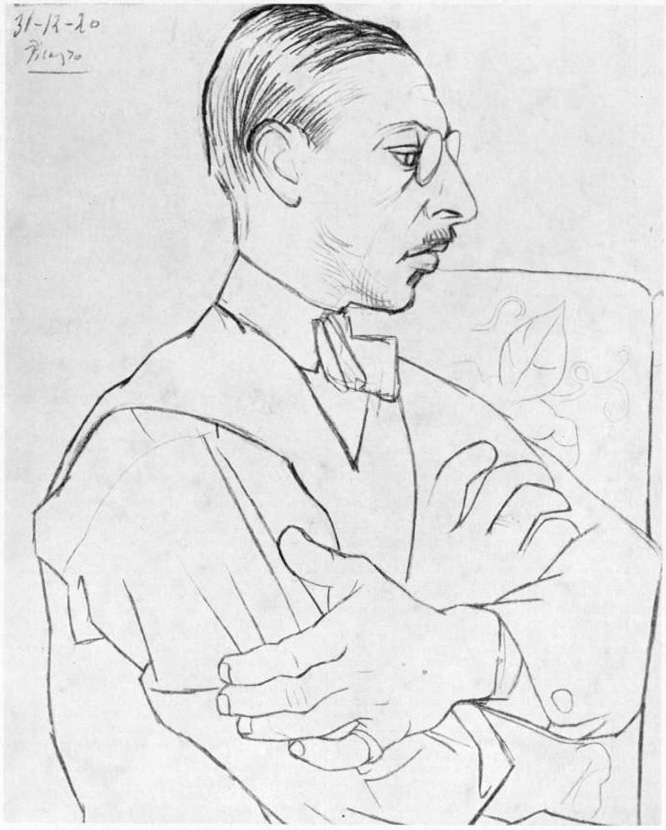
Igor Stravinsky (1882–1971) was a Russian-born composer whose bold rhythmic, harmonic and stylistic innovations made him a central figure of 20th‑century music, from Russian ballets to neoclassicism and later serialism.
Igor Stravinsky (born 17 June 1882 in Lomonosov, then Oranienbaum, location; died 6 April 1971 in New York city) was a composer whose work helped define musical modernism. Celebrated and controversial in equal measure, he is widely regarded as one of the most important composers of the 20th century and a leading figure in musical modernism. Born and raised in Russia, his life and career were shaped by political upheaval and frequent moves: he left Russia during the Russian Revolution, lived in Switzerland and later in Paris, and relocated to the United States during the outbreak of World War II.
Image gallery
10 Images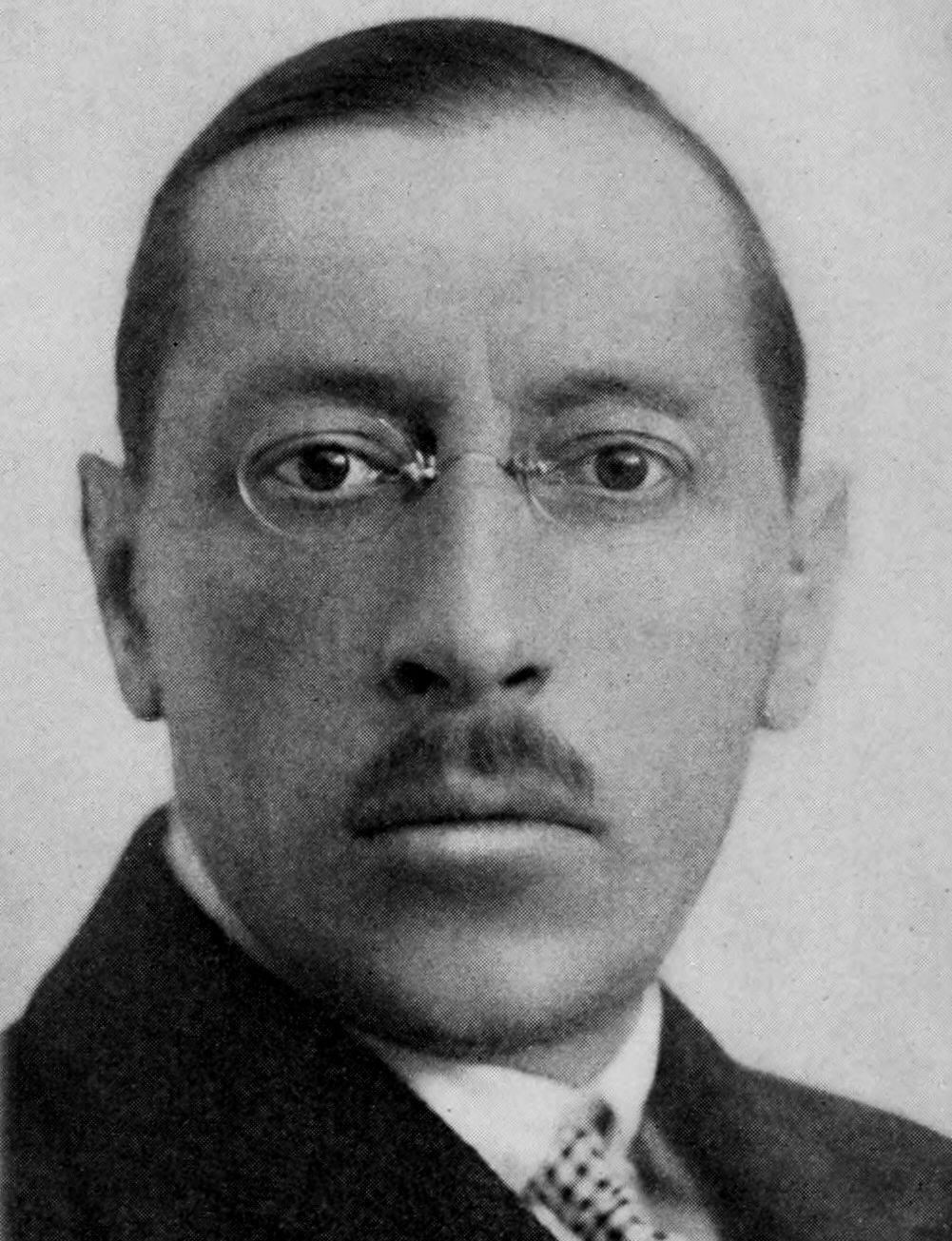





Early life and training
Stravinsky received his early musical instruction in Russia and was a pupil and friend of the composer and orchestrator Nikolai Rimsky-Korsakov. He drew heavily on Russian folk and liturgical sources in his first major compositions. During this period his orchestra writing and rhythmic imagination became increasingly distinctive: his music used complex harmonic structures and sharply pointed rhythms that challenged established concert practice.
Breakthrough ballets and innovations
Stravinsky's international reputation was established through ballets created for Sergei Diaghilev's Ballets Russes (company) under the impresario Diaghilev. Notable works from 1910 to the 1920s include The Firebird, Petrushka and the epochal The Rite of Spring. These scores combined vivid orchestration, folkloric elements and novel approaches to meter and accent, provoking strong audience reactions and influencing generations of composers and performers. Other notable stage works from this era include Les noces, Pulcinella and Apollo musagète.
Neoclassicism, opera and later serialism
After World War I Stravinsky turned to a style often labeled "neoclassical," reworking forms and textures from the 18th and early 19th centuries through a modern lens. He composed chamber pieces, concertos and his only full-length opera, The Rake's Progress, in this idiom. In the final phase of his career he engaged with twelve-tone and serial techniques (serial music), integrating them with his distinctive sense of rhythm and color rather than adopting orthodox serial procedures.
Major works and characteristics
- Rhythm and meter: irregular accents, changing meters and polyrhythms.
- Harmony: bitonal or modal passages, novel chord combinations, and sparsely voiced textures.
- Orchestration: vivid, often percussive use of instruments and novel timbral contrasts.
- Representative works: The Firebird, Petrushka, The Rite of Spring, The Rake's Progress, and later serial compositions.
Legacy and notable facts
Stravinsky's influence extends beyond composition into conducting, pedagogy and the shaping of modern musical taste. He collaborated with dancers, choreographers and literary figures, and his stylistic shifts—from Russian nationalism to neoclassicism to serial experimentation—illustrate a rare capacity for reinvention. Scholars and performers continue to study his scores for their rhythmic ingenuity and orchestral color, and his works remain standard repertory in concert halls and ballet companies worldwide.
Further reading and resources: biographies, score collections and recordings provide detailed entry points to Stravinsky's periods and works; for introductory context see resources listed by major libraries and music institutions (birthplace, death, composer, modernism, Russia, revolution, Switzerland, Paris, World War II, United States, Rimsky-Korsakov, harmony, rhythm, Ballets Russes, Diaghilev, Firebird, Petrushka, Rite of Spring, Les noces/Pulcinella, opera, The Rake's Progress, serialism).
Questions and answers
Q: Who was Igor Stravinsky?
A: Igor Stravinsky was a Russian composer and one of the most important composers of the 20th century, who is known for his modernism in music.
Q: Where and when was he born?
A: Igor Stravinsky was born in Lomonosov (then Oranienbaum), 17 June 1882.
Q: What happened during the Russian Revolution?
A: During the Russian Revolution, Igor Stravinsky moved to Switzerland and then to Paris, before finally settling in the United States when World War II started in 1939.
Q: What styles did he write music in?
A: Igor Stravinsky wrote music in different styles, including similar to his teacher Nikolai Rimsky-Korsakov, with complicated chords and rhythms; neo-classical based on music from the Classical period but changed; and serial music.
Q: What are some of his best known works?
A: Some of Igor Stravinsky's best known works were written for the Ballets Russes of Sergei Diaghilev such as The Firebird, Petrushka, The Rite of Spring, Les noces, Pulcinella and Apollo musagète which were written from 1910 to 1928. His only full-length opera The Rake's Progress was also written by him.
Q: When did he die?
A: Igor Stravinsky died on 6 April 1971 in New York City.
Related articles
Author
AlegsaOnline.com Igor Stravinsky Leandro Alegsa
URL: https://en.alegsaonline.com/art/46633
Sources
- wikidata.org : wikidata.org/wiki/Q7314 · archive.org
- authority.bibsys.no : 90079369
- catalogo.bne.es : XX953980
- catalogue.bnf.fr : cb12405560k
- data.bnf.fr : (data)
- cantic.bnc.cat : a1044998x
- ci.nii.ac.jp : DA04922662
- d-nb.info : 118642545
- hls-dhs-dss.ch : 026975
- isni.org : 0000 0001 2122 4298
- id.loc.gov : n79070061
- kopkatalogs.lv : 000033387
- musicbrainz.org : c278de2c-9696-4fdf-a919-0781cd945e2c
- catalog.archives.gov : 10581173