
The Rite of Spring (Le Sacre du Printemps)
Igor Stravinsky's 1913 ballet Le Sacre du Printemps, premiered by Diaghilev's Ballets Russes, transformed 20th‑century music and dance with its rhythmic daring, dissonant score and controversial choreography.
The Rite of Spring (Le Sacre du Printemps) is a landmark early‑20th‑century ballet and orchestral work by Igor Stravinsky that changed expectations for rhythm, harmony and theatrical movement. Commissioned for Sergei Diaghilev's Ballets Russes, it premiered in Paris in 1913 and immediately divided audiences. Its score and the original choreography sought to evoke a pagan, ritualized vision of spring culminating in a human sacrifice, and the work has remained central to modern music and dance repertoires.
Image gallery
10 Images

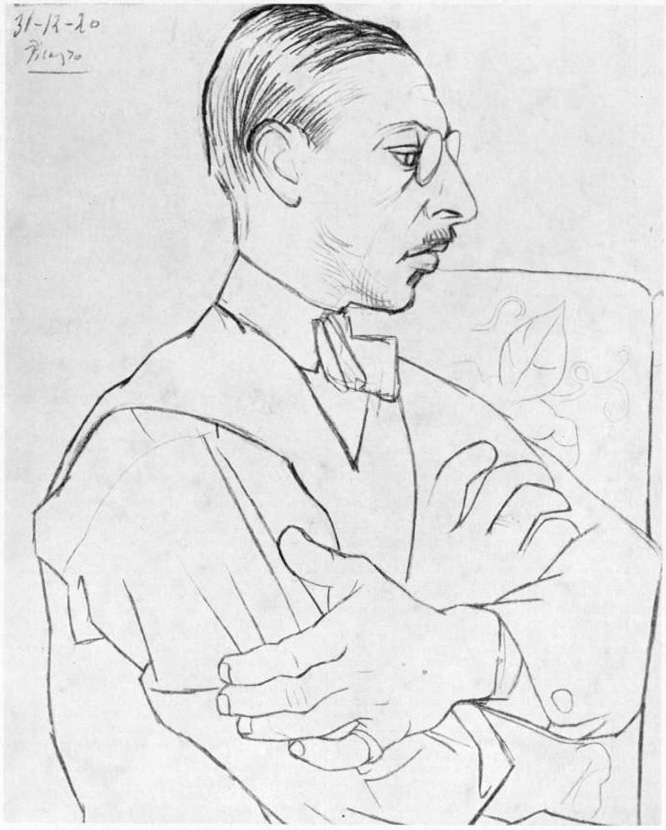


Music: innovations and musical character
Stravinsky's score is widely noted for its bold use of rhythm, meter and orchestral color. The opening features a high, exposed bassoon line that overturns expectations of instrument range, and the piece unfolds through driving ostinatos, irregular accents and shifting meters that create a sense of primitivism and inexorable force. Harmonic language relies on dissonance, bitonality and layering of repeated figures rather than traditional developmental procedures, producing textures that were radical to many listeners in 1913. Orchestration emphasizes rhythmic clarity and percussion, and the work communicates more by pattern, pulse and timbre than by conventional melody.
Choreography and original staging
The original choreography by Vaslav Nijinsky rejected classical ballet line and virtuosity in favor of angular, grounded movements, turned‑in feet, stamping and ritual gestures meant to suggest a prehistoric rite. Costumes and stage designs by Nicholas Roerich reinforced a folkloric, even archaic aesthetic. Stravinsky and Nijinsky were both controversial figures in the production: while Stravinsky composed the score, he also complained about Nijinsky's musical comprehension; Nijinsky's movement vocabulary, meanwhile, provoked immediate debate about the possibilities of dance.
Premiere, reception and early revivals
The premiere at the Théâtre des Champs‑Élysées, presented by Diaghilev's company, produced a notorious uproar. Contemporary accounts describe loud arguments, shouting and disturbances in the audience; some observers later emphasized that the commotion reflected clashes between conservative and avant‑garde tastes rather than a simple single‑minded riot. After the tumultuous premiere, the work gradually found defenders and its avant‑garde reputation grew. The Ballets Russes revived the piece in later seasons with new choreography by Léonide Massine when Nijinsky's original dances fell out of the company repertoire.
Structure, notable scenes and later reconstructions
The Rite is organized in two large parts that trace the arrival of spring and the selection and sacrifice of a chosen maiden. Several episodic scenes—featuring group dances, ritual contests and the climactic sacrificial dance—are linked by recurring rhythmic material. Nijinsky's original choreography was for a time considered lost; throughout the 20th century dance historians and choreographers produced reconstructions and new stagings that range from attempts at historical fidelity to radical reinterpretation. Major choreographers and companies have mounted their own versions, ensuring the work's continued visibility in both concert halls and on the stage.
Legacy, influence and cultural presence
Stravinsky's Rite influenced a generation of composers and choreographers by demonstrating how rhythm and orchestral color could carry dramatic weight. It has become a staple of symphony orchestras and ballet companies worldwide. The score also reached wider popular awareness when Walt Disney used it in the 1940 film Fantasia to accompany animated scenes of prehistoric life. For historical context and further reading see resources associated with the Ballets Russes and primary figures such as Ballets Russes, Sergei Diaghilev, Igor Stravinsky, Vaslav Nijinsky, and accounts of the 1913 Paris season in Paris. For general background on ballet and the work's reception consult overviews at ballet resources and cultural retrospectives including cinematic adaptations like the segment in Fantasia.
Questions and answers
Q: What is the Rite of Spring?
A: The Rite of Spring (Le Sacre du Printemps) is a ballet in two parts written for the 1913 Paris season of Sergei Diaghilev's Ballets Russes company.
Q: Who wrote the music for the ballet?
A: Igor Stravinsky wrote the music for the ballet.
Q: Who choreographed it?
A: Vaslav Nijinsky choreographed it, using a style that was not traditional ballet form but what he imagined to be a primitive ritual.
Q: Who designed the set and costumes?
A: Nicholas Roerich designed the set and costumes.
Q: When was it first performed?
A: It was first performed by Diaghilev's Ballets Russes at the Theatre du Champs-Élysées in Paris on 29 May 1913.
Q: How did people react to its premiere performance?
A: The premiere performance was met with tumult and riot, only stilled by the performance of Marie Piltz as the sacrificial maiden. Subsequent performances were received with growing appreciation, but due to its great difficulties, it could only be presented six times.
Q: Was there ever a revival of this ballet?
A: Yes, there was a revival in 1920 by Ballets Russes where Leonide Massine redesigned Nijinsky's dances which were then approved by Stravinsky since they had been forgotten. In 1940 Walt Disney used some of its music to accompany an animated movie segment depicting lumbering dinosaurs and smoldering volcanoes in Fantasia.
Related articles
Author
AlegsaOnline.com The Rite of Spring (Le Sacre du Printemps) Leandro Alegsa
URL: https://en.alegsaonline.com/art/98744