
Pillow: design, materials, history and everyday uses
A pillow is a soft support for the head, neck or body used in sleep, seating and decoration. This article covers common materials, shapes, historical origins, uses, care and notable variations.
Overview
A pillow is a soft pad placed under the head, neck or other parts of the body to provide comfort, support and alignment during sleep or rest. In everyday language a pillow is often considered a type of cushion, though pillows are usually intended for sleeping or bodily support while cushions are often decorative or for seating. Most pillows have an outer fabric shell, commonly filled with a soft material and protected by a removable pillowcase.
Image gallery
10 Images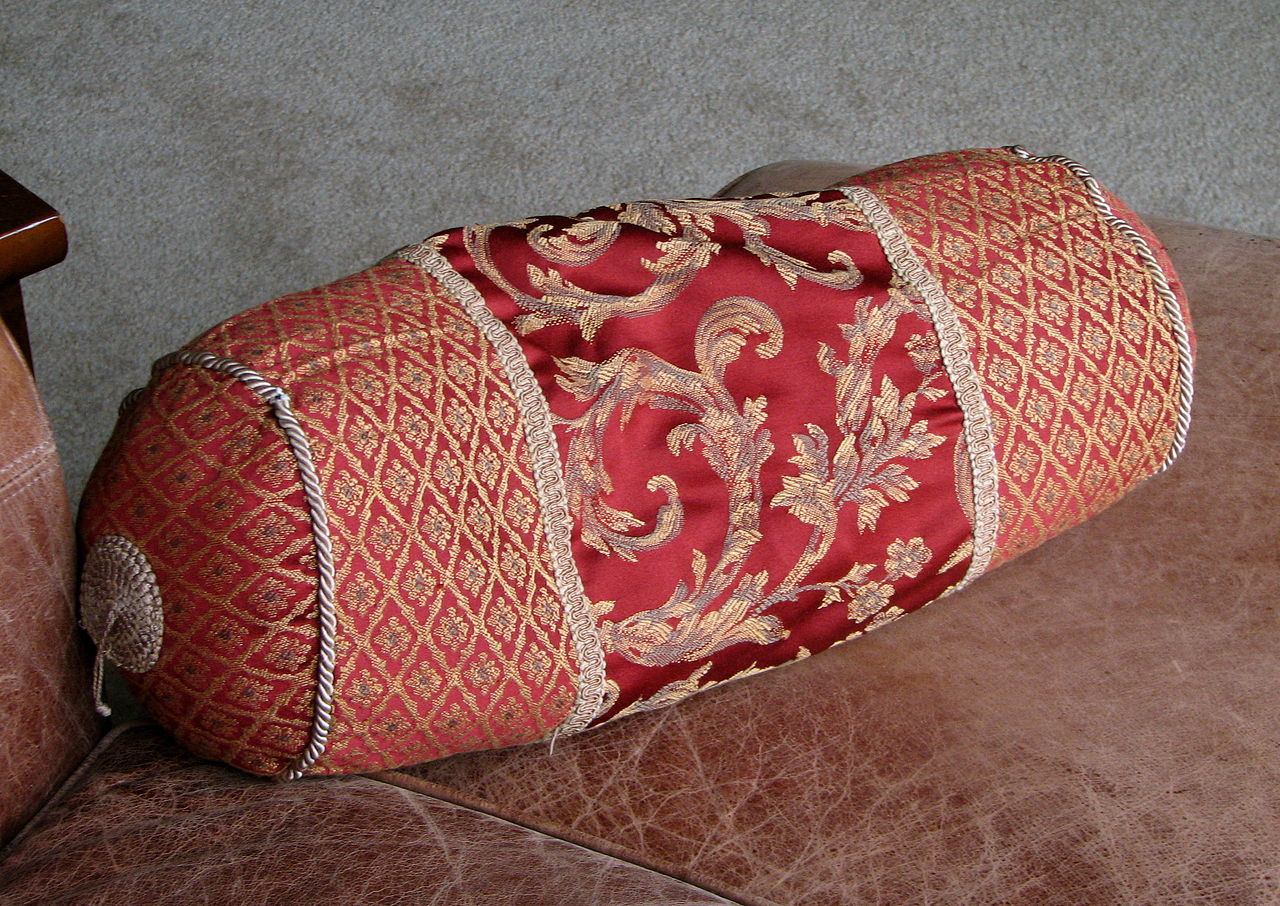





Construction and common materials
Traditional pillows are made from two fabric panels that are sewn together and filled with a variety of stuffing materials. Common fillings include:
- Natural down and feathers: soft duck or goose down with or without feathers; valued for loft and softness. See types of feather fillings via feathers.
- Synthetic fibers: polyester fiberfill or man-made batting provides a hypoallergenic and inexpensive option; often noted as synthetic batting.
- Foams: memory foam or polyurethane foam contours to the head and neck; memory foam was developed in the mid-20th century and is popular for pressure relief.
- Plant-based and specialty fills: buckwheat hulls, latex, kapok and microbeads offer different levels of firmness, breathability and support.
Pillows come in many shapes and sizes—standard rectangular forms are most common, but square, cylindrical bolsters, wedge and contoured cervical pillows also exist. The typical bed pillow is usually rectangular, though dimensions vary by region and purpose.
History and etymology
The word pillow derives from Middle English pilwe and Old English pyle, ultimately related to the Latin pulvinus. Cushions and raised headrests have ancient roots; different cultures used carved stone, wooden headrests or filled cushions for sleep and ritual. Over centuries the materials and production methods evolved from simple animal skins and straw to refined down, foams and engineered fibers used today.
Uses, variants and importance
Pillows serve multiple roles beyond simple comfort. Sleeping pillows support spinal alignment and may reduce neck pain when chosen appropriately. Specialty pillows include travel neck pillows, pregnancy and maternity pillows, orthopedic cervical pillows and decorative throw pillows used for interior design. In many cultures specific pillow types—such as bolsters or firm buckwheat pillows—remain popular for their perceived health or ergonomic benefits.
Care and notable considerations
Pillow hygiene affects comfort and health. Removable pillowcases are used to protect the inner pillow from oils, sweat and dust; many modern pillow covers are machine-washable. Fillings differ in how they should be cleaned: synthetic and some down pillows can be laundered, while foam and certain specialty fills require spot cleaning or cover washing. Allergies to feather fillings or dust mites lead some people to choose hypoallergenic synthetic or washable options.
Distinctions and facts
Pillows are distinct from larger or firmer cushions used for seating, though the terms overlap in casual speech. Design choices—fill type, firmness, shape and cover material—affect sleep posture and longevity. When selecting a pillow, consider sleeping position, any neck or back issues, and maintenance needs. For additional reading on materials and care, consult product guides and care labels from manufacturers or general consumer resources.
Author
AlegsaOnline.com Pillow: design, materials, history and everyday uses Leandro Alegsa
URL: https://en.alegsaonline.com/art/76918