
Eurovision Song Contest 2012 (Baku)
The 57th Eurovision Song Contest took place in Baku, Azerbaijan in May 2012. Sweden's Loreen won with "Euphoria". The contest featured 42 countries, a new venue and debates about hosting and voting.
Overview
The 57th edition of the Eurovision Song Contest was staged in Baku, the capital of Azerbaijan, in May 2012 after the country's victory the previous year. The event followed the traditional format of two semi-finals and a grand final and brought together 42 participating broadcasters. The winner was Sweden, represented by Loreen with the song "Euphoria", which scored 372 points and went on to become one of the contest's most commercially successful modern entries.
Image gallery
6 Images


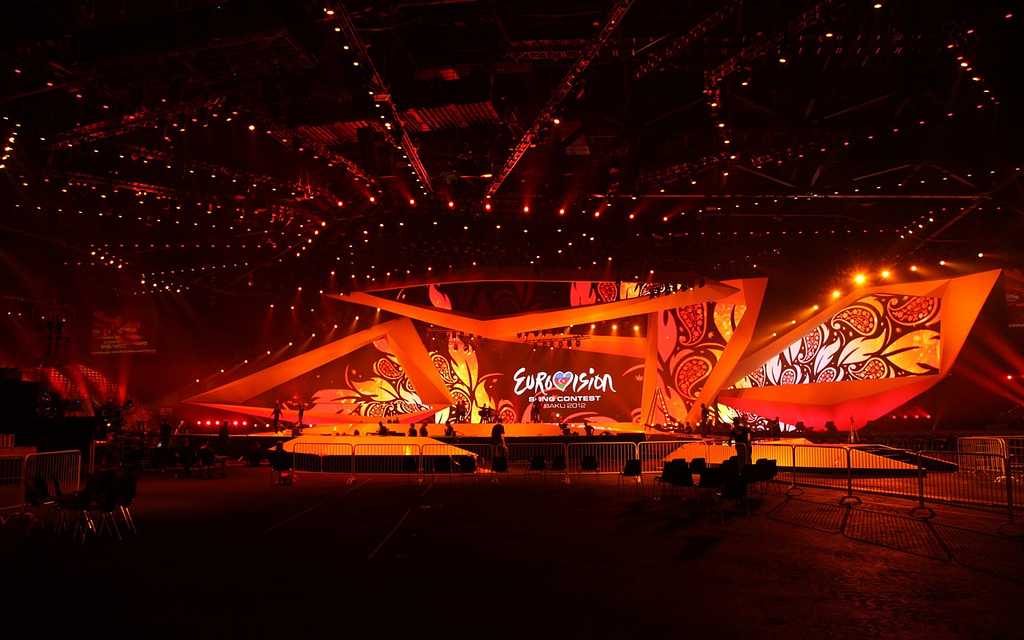

Venue, production and staging
The shows were hosted in the newly constructed arena in Baku intended to meet the technical requirements of the contest and to accommodate a large live audience. The host broadcaster oversaw an elaborate stage design, lighting and camera direction geared to television audiences across Europe and beyond. Organisers balanced the demands of a complex live music production with national protocols and the expectations of the international fan community.
Participants, returns and withdrawals
A total of 42 countries took part in 2012. Several delegations returned after absences and some chose to withdraw that year. Notable movements included the return of Montenegro and the non-participation of Armenia and Poland. The contest continued to include the automatic qualifiers: the host country and the long-standing large-budget broadcasters often referred to collectively as the "Big Five".
Format and voting
The competition used the combined jury and televote system in place since the late 2000s, in which results from professional national juries and public televoting were blended to determine each country's points. This mixed format aimed to balance musical assessment with popular preference and remained a defining feature of the contest's scoring system.
Final results and notable acts
Sweden's entry topped the scoreboard and received broad support from both juries and televoters. Other high-placing acts included performers from Russia, Serbia, the host Azerbaijan and Albania. The Russian act attracted significant popular attention for its distinctive presentation and the Serbian performance was widely praised for songwriting and staging.
Reception, criticism and legacy
The 2012 contest attracted extensive media coverage worldwide. Hosting duties also invited scrutiny: human rights organisations and parts of the press raised concerns about political and civic issues in the host country, prompting debate about the responsibilities of international cultural events. At the same time, the contest boosted the international profile of participating artists, especially the winner, and reinforced Eurovision's role as a major annual television music event.
Key facts and references
- 57th Eurovision Song Contest staged in Baku.
- Host country after winning the previous year in Düsseldorf, Germany (2011 contest win).
- Winner: Sweden — Loreen with "Euphoria".
The Eurovision Song Contest 2012 remains notable for its high production values, memorable performances and the wider conversations it stimulated about culture, politics and media in Europe and neighbouring regions.
Related articles
Author
AlegsaOnline.com Eurovision Song Contest 2012 (Baku) Leandro Alegsa
URL: https://en.alegsaonline.com/art/32650
Sources
- eurovision.tv : "Eldar, Nargiz, Leyla to host Eurovision 2012"
- oikotimes.com : "Eurovision 2012 hosts announced:Leyla, Nargiz & Eldar"
- eurovision.tv : "Live report from the First Semi-Final dress rehearsal"
- eurovision.tv : "Lena, Rybak, Bilan, Šerifović Eurovision interval acts"
- eurovision.tv : "Eurovision interval acts revealed"
- eurovision.tv : "Eurovision Song Contest 2012 Grand Final"
- eurovision.tv : "Results of the 2012 Running Order Draw!"
- eurovision.tv : "43 countries represented at Eurovision 2012"
- diggiloo.net : "Eurovision Song Contest 2012"
- eurovision.tv : "Eurovision Song Contest Participants"
- eurovisiontimes.wordpress.com : "Albania: Suus Stays in Albanian"
- escdaily.com : "Albania: Rona Nishliu to Baku!"