
Eurovision Song Contest 2013
The 58th Eurovision Song Contest took place in Malmö, Sweden in May 2013. Petra Mede hosted the shows; Denmark won with Emmelie de Forest's "Only Teardrops", marking Denmark's third victory.
Overview
The 58th Eurovision Song Contest was staged in Malmö in May 2013. The two semi-finals were held on 14 and 16 May, and the grand final took place on 18 May. The event is often referenced as the 2013 contest, and the chosen venue reflected Sweden's previous win which awarded the host rights to Sweden. The city of Malmö provided the principal settings and logistics for the week of rehearsals and broadcast spectacles; local venues and production teams supported the televised shows in the host city Malmö.
Image gallery
5 Images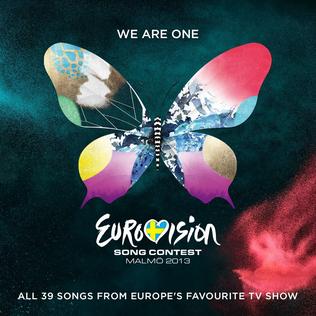


Presentation and production
The contest was presented by Swedish comedian Petra Mede, who served as the principal host for the live programs. Her performance as master of ceremonies attracted attention for its theatrical style and concise script; more detailed production responsibilities were handled by the host broadcaster and international delegation teams. Staging, interval acts and camera direction followed contemporary Eurovision design trends with attention to lighting and visual effects.
Format and participants
The 2013 contest used the standard Eurovision format: two semi-finals that selected qualifiers and a final of 26 entries, comprising automatic qualifiers alongside successful semi-finalists. A total of 39 countries took part that year, each entering one song performed live. Voting combined national juries and public televotes to determine which entries progressed and ultimately to decide the winner.
Result
Denmark won the contest with the song "Only Teardrops," performed by Emmelie de Forest. The victory gave Denmark its third Eurovision title and brought significant international attention to the artist. The Danish entry blended contemporary pop with folk elements and scored highly across both jury and televote components. The winning nation is often referred to in sources with a link to its delegation Denmark.
Notable aspects and legacy
Beyond the competition itself, the 2013 contest is remembered for a compact, professionally produced staging and for the host's distinctive presentation. It reinforced Eurovision's role as a platform for launching performers to wider European audiences and influenced subsequent national selections and staging concepts. Media coverage and fan discussion highlighted several memorable performances and set-pieces from the live broadcasts.
Further information
For official records, historical context and archived materials, consult the contest's main sources and the host broadcaster's pages. Contemporary press and fan coverage also provide accounts of rehearsals, behind-the-scenes details and participant interviews. See the primary event page here, general host city information here and background on the host country here. Additional context on the presenter is available here and delegation details for the winning country are available here.
Related articles
Author
AlegsaOnline.com Eurovision Song Contest 2013 Leandro Alegsa
URL: https://en.alegsaonline.com/art/32651
Sources
- eurovision.tv : eurovision.tv/page/malmo-2013/about/shows/participants
- escxtra.com : "Petra Mede will host the Eurovision Song Contest 2013"