
Eurovision Song Contest
An annual international song competition organized by the European Broadcasting Union since 1956, featuring live televised performances from participating countries and a combined jury/televote scoring system.
Overview
The Eurovision Song Contest is an annual music competition first held in 1956 and organized by the European Broadcasting Union. Broadcasters from participating countries each submit one original song and performer to represent their nation. The show is produced as a live television event and attracts audiences across Europe and beyond, showcasing a wide range of musical styles, languages and stage productions.
Image gallery
10 Images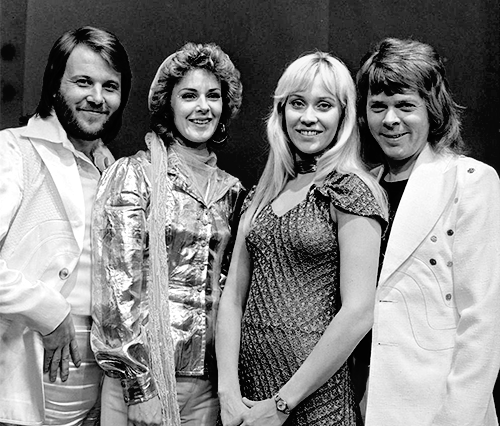



Format and rules
Each entry must be an original song performed live and is subject to time and other production rules (for example, songs are limited to a short maximum duration and live vocals are required). In recent decades the contest has used a combination of national professional juries and public televoting to determine results. To accommodate growing interest, semi-final rounds were added in the 2000s so that a larger pool of countries can compete for a place in the televised Grand Final. A small group of long-standing broadcasters automatically qualify for the final; the host country is usually the previous year’s winner.
History and notable winners
Eurovision began as an effort to unite European broadcasters after World War II and quickly became a platform for launching artists into international careers. Famous winners who later achieved global recognition include ABBA, Céline Dion, and rock act Lordi. More recent winners such as Loreen and Duncan Laurence have renewed interest in the contest’s ability to influence mainstream pop charts.
Cultural significance and examples
Eurovision is known not only for music but for extravagant staging, fashion, and moments that enter popular culture. Performances can be multilingual, and the contest has become a platform for both established and emerging artists. Beyond Europe, the event draws international viewers and has occasionally invited non‑European broadcasters to participate or send guest performers.
Recent developments and disruptions
The contest has evolved with changes to its voting systems and broadcast technologies. In 2020 the event was cancelled for the first time in its history because of the COVID‑19 pandemic; organizers produced an alternative broadcast called "Eurovision: Europe Shine a Light" on the date the final would have taken place to honor the selected entries and maintain the sense of community during the crisis (details). The contest continues to adapt, updating rules and production approaches while remaining a major fixture of European popular culture.
- Organiser: European Broadcasting Union
- Famous past winners: ABBA, Céline Dion, Lordi, Loreen, Duncan Laurence
- Notable disruption: 2020 cancellation and replacement show (COVID‑19 impact)
Questions and answers
Q: What is the Eurovision Song Contest?
A: The Eurovision Song Contest is a song contest run by the European Broadcasting Union that started in 1956, where different singers representing countries in Europe compete every year.
Q: Who are some past famous winners of the Eurovision Song Contest?
A: Some past famous winners of the Eurovision Song Contest include ABBA (1974), Céline Dion (1988), Lordi (2006), Loreen (2012), Duncan Laurence (2019) and Måneskin (2021).
Q: What happened to the Eurovision Song Contest 2020?
A: The Eurovision Song Contest 2020 was cancelled due to the COVID-19 pandemic, which is the first time the contest was cancelled.
Q: What was the replacement show for the cancelled Eurovision Song Contest 2020?
A: The replacement show for the cancelled Eurovision Song Contest 2020 was called Eurovision: Europe Shine a Light, which showed the selected entries in place of the Grand Final on 16 May 2020.
Q: When did the Eurovision Song Contest start?
A: The Eurovision Song Contest started in 1956.
Q: What is the European Broadcasting Union?
A: The European Broadcasting Union is an alliance of public service media organizations, established in 1950, which includes members from countries across Europe and beyond.
Q: Why is the Eurovision Song Contest cancelled in 2020?
A: The Eurovision Song Contest 2020 was cancelled due to the COVID-19 pandemic, which caused public health concerns and prevented travel and gathering of large groups of people.
Related articles
Author
AlegsaOnline.com Eurovision Song Contest Leandro Alegsa
URL: https://en.alegsaonline.com/art/32660