
Eugène Terre'Blanche (1941–2010)
South African far-right activist and founder of the Afrikaner Weerstandsbeweging (AWB), noted for Afrikaner separatism, criminal convictions and his violent death on his farm in 2010.
Overview
Eugène Ney Terre'Blanche was a South African political activist who became one of the most visible leaders of far-right Afrikaner nationalism in the late 20th century. Born in Ventersdorp in 1941, he identified strongly with the Boer/Afrikaner cultural and political tradition and is best known as the founder and long-time leader of the Afrikaner Weerstandsbeweging (AWB), a movement that combined political agitation with paramilitary-style organizing. His life and career were closely tied to the turbulent final decades of the Ventersdorp-based constituency he came from and to the broader politics of race and state in South Africa.
Image gallery
2 Images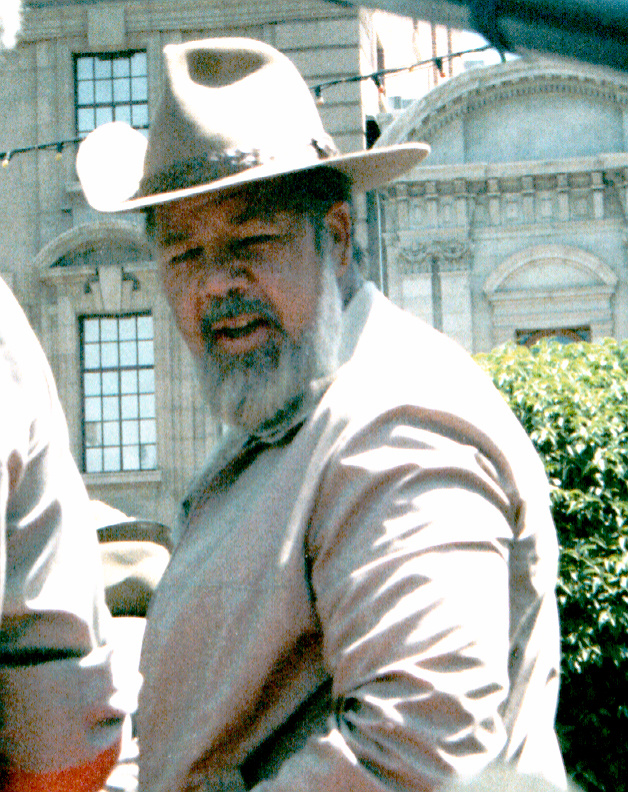

Ideology and activities
Terre'Blanche and the organisation he led promoted an extreme form of Afrikaner self-determination, opposing the dismantling of institutional racial segregation and seeking a separate homeland or Afrikaner separatism rather than integration into a multiracial state. The AWB adopted militant rhetoric and displays that drew comparisons with other contemporary paramilitary movements; his activism took place primarily during and after the era of apartheid, when political change and negotiations over the future of South Africa provoked sharp resistance from some white nationalist circles.
Legal troubles and controversies
Throughout his public life Terre'Blanche was involved in a number of legal disputes and criminal proceedings. He and associates were regularly accused of using intimidation and violence against opponents and of maintaining illegal arms. Public records and reporting indicate that he had convictions and charges relating to:
- illegal possession of weapons
- assault and related violent offences
- attempted murder charges reported in connection with incidents during confrontations with political rivals
These convictions and the movement’s paramilitary character made Terre'Blanche a polarising figure in South African public life; supporters regarded him as a defender of Afrikaner identity, while critics saw him as a promoter of racial division and violent tactics.
Death and immediate aftermath
On 3 April 2010 Terre'Blanche was killed at his farm in Ventersdorp. Two men who had worked on his property were arrested; reports at the time said that the assailants were black workers who alleged a dispute over pay and claimed to have taken money after the attack. Accounts of the killing described a violent assault involving machetes, knobkieries and iron rods, and reported that the attackers had pulled down the victim’s trousers. Terre'Blanche was survived by his wife, Martie, and at least one daughter. The murder was widely reported, provoked shock across political communities, and temporarily heightened racial tensions in parts of the country.
Legal and political consequences
Following the killing, the two accused were prosecuted in the South African criminal justice system; the case attracted extensive media attention because of Terre'Blanche’s notoriety. Major political parties and community leaders reacted publicly: some condemned the violence and offered condolences to the family, while civil-society organisations warned against collective reprisals and urged calm. The AWB issued calls for its members to refrain from retaliatory violence and to remain peaceful.
Legacy and assessment
Terre'Blanche’s life is often used as a prism for discussing the limits of extremist politics within South Africa’s transition from apartheid to democracy. Scholars, journalists and commentators have examined his role in sustaining a militant strand of Afrikaner nationalism after the end of formal apartheid, as well as the social and economic stresses that underlay conflicts on farms and in rural communities. While his movement never achieved mainstream political power after the early 1990s, Terre'Blanche remained a symbolic figure for a segment of Afrikaner hardliners and for debates about race, memory and political violence in modern South Africa.
Boer/Afrikaner identity • AWB • Ventersdorp • Apartheid • Separatism • Weapons convictions • Assault convictions • Race of assailants • Family • Weapons used
Related articles
Author
AlegsaOnline.com Eugène Terre'Blanche (1941–2010) Leandro Alegsa
URL: https://en.alegsaonline.com/art/32494
Sources
- telegraph.co.uk : "Eugene Terreblanche - Telegraph"