
Eugène Ysaÿe: Belgian virtuoso violinist, composer and conductor
Eugène Ysaÿe (1858–1931) was a Belgian violin virtuoso, influential teacher and composer, famed for his expressive tone, the Six Sonatas for solo violin (Op.27) and his impact on early 20th‑century violin playing.
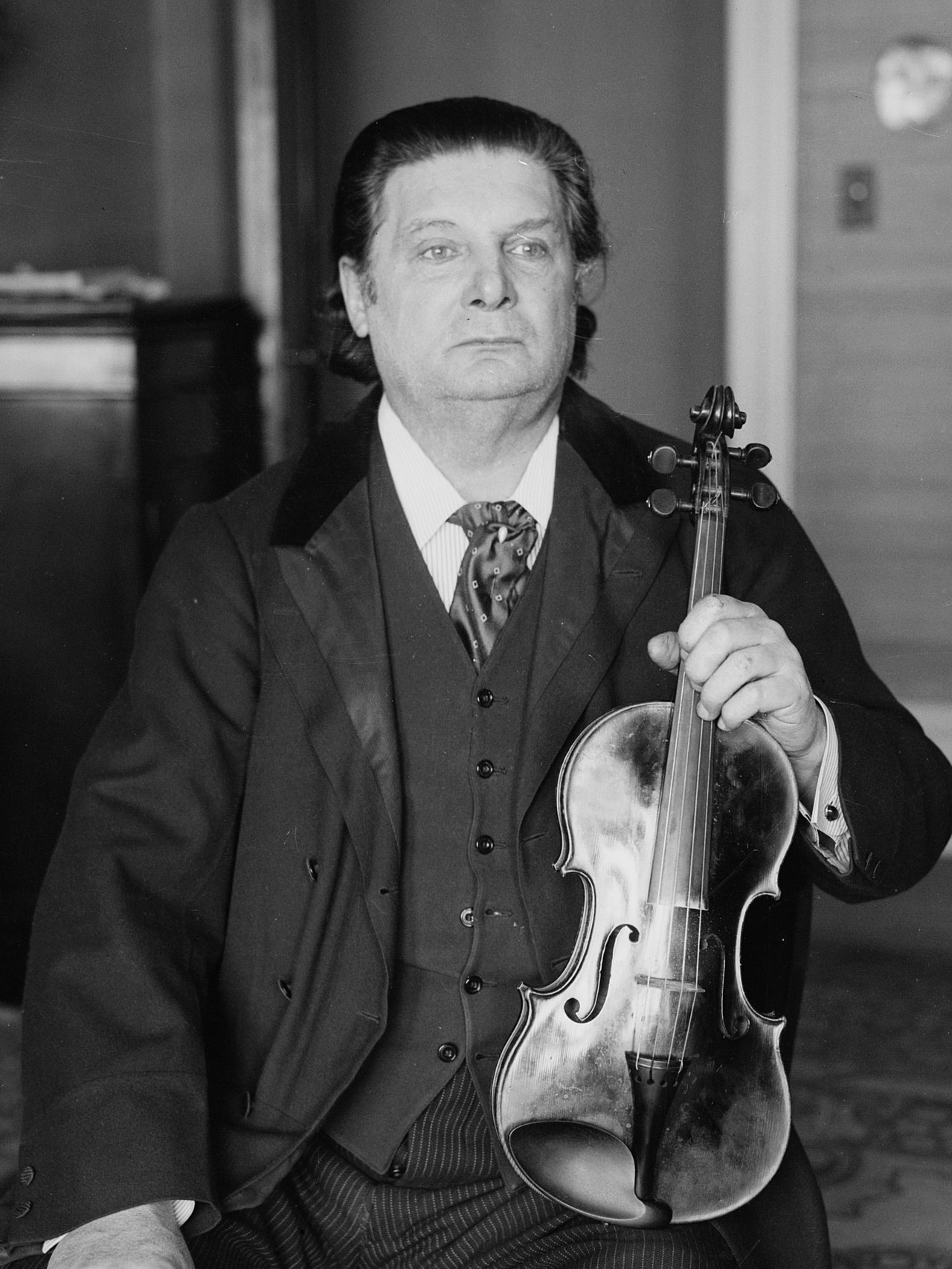
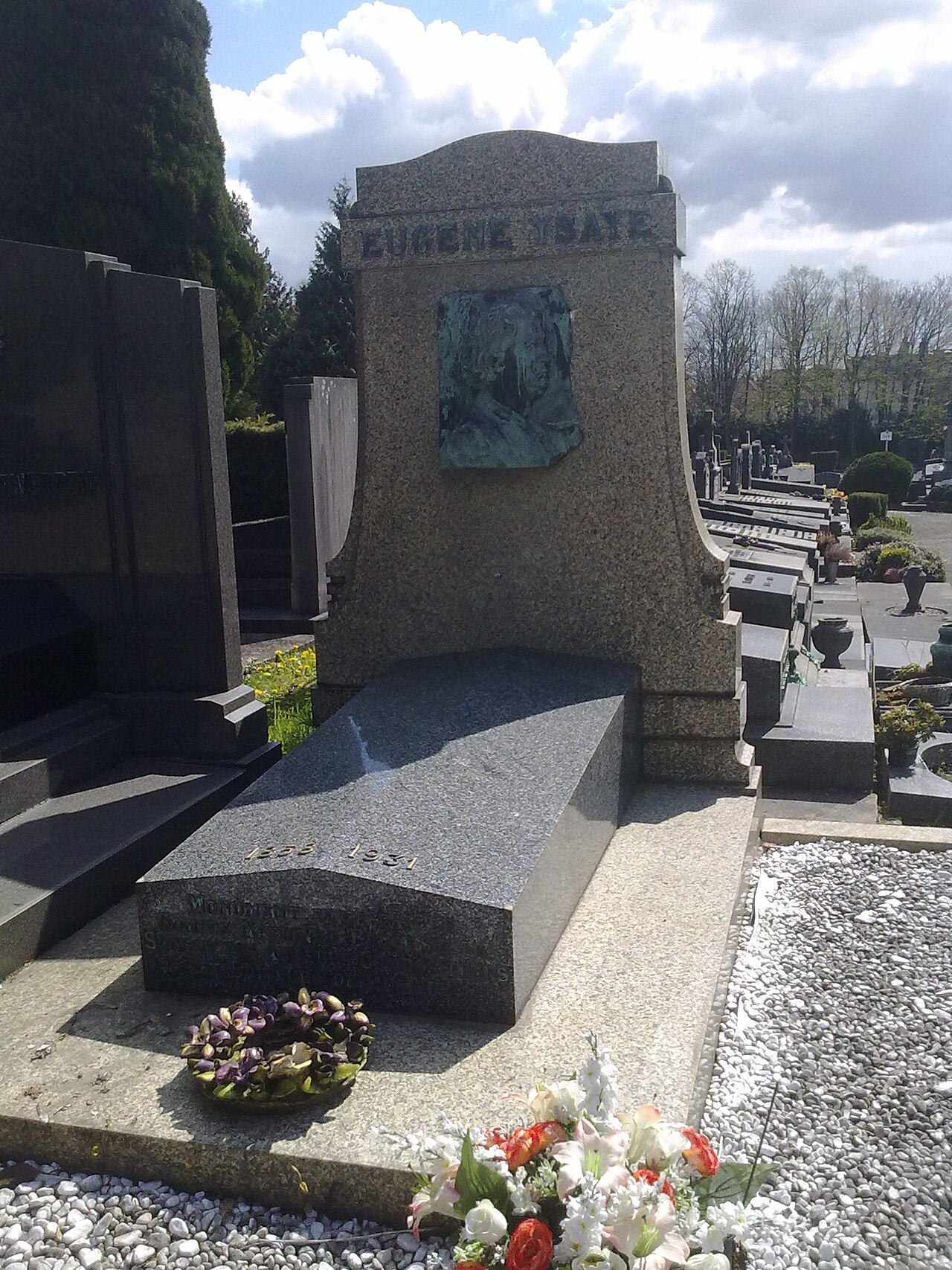
Eugène Ysaÿe (16 July 1858 – 12 May 1931) was a Belgian violinist, composer and conductor who helped shape late Romantic and early modern string performance. Born in Liège, he became internationally celebrated for a rich, orchestral tone and an expansive, flexible approach to phrasing. Colleagues and critics dubbed him "The King of the Violin," a nickname that attests to his reputation for virtuosity and charisma on stage. His brother, Théo Ysaÿe, was active as a pianist and composer.
Image gallery
6 Images


Life and career
Trained in the strong Belgian musical tradition, Ysaÿe toured widely across Europe and North America as a soloist and recitalist. He combined solo appearances with chamber music, conducting and advocacy for contemporary composers of his time. He accepted important conducting engagements and used those podium opportunities to broaden programming and to bring attention to living composers and Belgian musical life. His performances were noted for intensity, individuality and dramatic use of rubato.
Works and repertoire
Ysaÿe composed works that reflect an intimate knowledge of the violin’s capabilities. His best‑known composition is a set of six sonatas for solo violin (Op.27), pieces that are staples of the advanced repertoire and that explore both virtuosic technique and poetic expression. He also wrote chamber works, encore pieces and transcriptions that were intended to highlight tonal colors and modern harmonic language. Recordings and editions of these works continue to be studied and performed.
- Signature works: the Six Sonatas for solo violin (Op.27) and various short character pieces.
- Performance focus: championing new music alongside core classical repertoire.
Style, teaching and legacy
Ysaÿe’s style combined a singing, orchestral approach to sound with advanced left‑hand colouring and creative bow control. He was an influential teacher who passed interpretive ideals and technical approaches to a generation of violinists; his pedagogical impact is visible in early 20th‑century performance practice and in many prominent players who cited his influence. Historic recordings and contemporary scholarship keep his interpretive contributions under study.
For general reference and archival material about Ysaÿe’s performances, editions and manuscripts, consult conservatory collections and dedicated music archives. Modern introductions and biographies provide context for his compositions and influence; additional resources and digitized documents are available through specialized musical libraries and repositories here. Further contemporary commentary and discographies can be found via catalogues and recital notes on artist pages and in musicological surveys of late Romantic violinists. For primary source material and letters, see catalogues and archival listings held by national libraries and thematic catalogues related to Belgian music. Additional curated essays and collected studies appear in specialist journals and edited volumes on string performance.
Questions and answers
Q: Who was Eugène Ysaÿe?
A: Eugène Ysaÿe was a Belgian violinist, composer and conductor.
Q: When was Eugène Ysaÿe born?
A: Eugène Ysaÿe was born on July 16, 1858.
Q: Where was Eugène Ysaÿe born?
A: Eugène Ysaÿe was born in Liège, Belgium.
Q: What was Eugène Ysaÿe known as?
A: Eugène Ysaÿe was known as "The King of the Violin" or "tzar", as described by Nathan Milstein.
Q: Did Eugène Ysaÿe have any siblings?
A: Yes, Eugène Ysaÿe had a brother named Théo Ysaÿe, who was a pianist and composer.
Q: What was Théo Ysaÿe's profession?
A: Théo Ysaÿe was a pianist and composer.
Q: When did Eugène Ysaÿe die?
A: Eugène Ysaÿe died on May 12, 1931.
Related articles
Author
AlegsaOnline.com Eugène Ysaÿe: Belgian virtuoso violinist, composer and conductor Leandro Alegsa
URL: https://en.alegsaonline.com/art/32497