
Erskine Caldwell: Southern novelist and chronicler of poverty
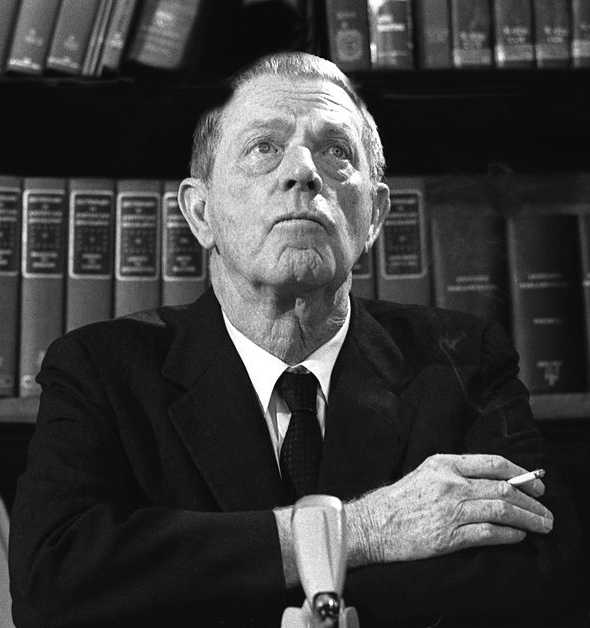
Profile of Erskine Caldwell (1903–1987), American writer known for novels and reportage about poverty, race, and rural life in the Southern United States, including Tobacco Road and God's Little Acre.
Overview
Erskine Caldwell (December 17, 1903 – April 11, 1987) was an American novelist and short‑story writer whose work focused on the lives of poor white Southerners and the social problems of the rural South. He is best known for novels such as Tobacco Road and God's Little Acre, which combined plainspoken narrative with stark depictions of poverty, sexual desire, and racial tensions. Caldwell's frank portrayals earned him both popular success and sharp criticism from some quarters of the region he described.
Image gallery
2 Images
Life and career
Born in Georgia, Caldwell began writing after a variety of early jobs and experiences that exposed him to the economic hardships of the American South during the early 20th century. He published numerous novels, short stories and reportage over several decades. In addition to fiction, he collaborated on documentary projects that paired his prose with photography to draw attention to rural deprivation, bringing social issues to a broad readership.
Themes and style
Caldwell's work is often placed within American social realism and regional literature. He wrote about sharecroppers, struggling families, religious fervor, and complicated interracial dynamics, using a terse, sometimes satirical voice. While his language could be colloquial and accessible, his stories frequently exposed darker elements of desire, violence, and economic desperation.
- Major works: Tobacco Road, God's Little Acre, and collaborations such as a book of reportage with photographs.
- Forms: Novels, short stories, non‑fiction pieces and documentary projects.
Reception and adaptations
Critics praised Caldwell for bringing public attention to overlooked social conditions, while many Southern readers and local leaders objected to what they saw as unflattering or exaggerated portrayals. Several of Caldwell's books were adapted for the stage and screen, helping to widen his audience and to intensify debates over representation and artistic license. His collaborations with photographers and filmmakers helped blend literary realism with visual documentation.
Legacy and further reading
Caldwell remains an important, if contested, figure in American letters: his work is studied for its social critique, regional depiction, and role in mid‑20th century debates about poverty and race. He influenced later writers who explored the American South's inequalities and contributed to documentary traditions that pair text and image. For more on his life, works, criticism, and adaptations, see these starting points: biography and overview, selected writings, critical studies, photographic collaborations, stage and film adaptations.
Related articles
Author
AlegsaOnline.com Erskine Caldwell: Southern novelist and chronicler of poverty Leandro Alegsa
URL: https://en.alegsaonline.com/art/32063