
Erwin Rommel — German field marshal known as the 'Desert Fox'
Erwin Rommel (1891–1944) was a German field marshal noted for leadership in World War II, command in North Africa, later defense of France, and his controversial legacy including involvement in the conspiracy against Hitler.
Erwin Johannes Eugen Rommel (15 November 1891 – 14 October 1944) was a German army officer who rose to prominence in both World Wars and became internationally known by the nickname "Desert Fox." He commanded the Deutsches Afrikakorps during the North African campaign and later held responsibility for defending portions of the French coast in 1944. Rommel's career combined professional military reputation, public popularity in Germany and abroad, and a contested postwar image.
Image gallery
10 Images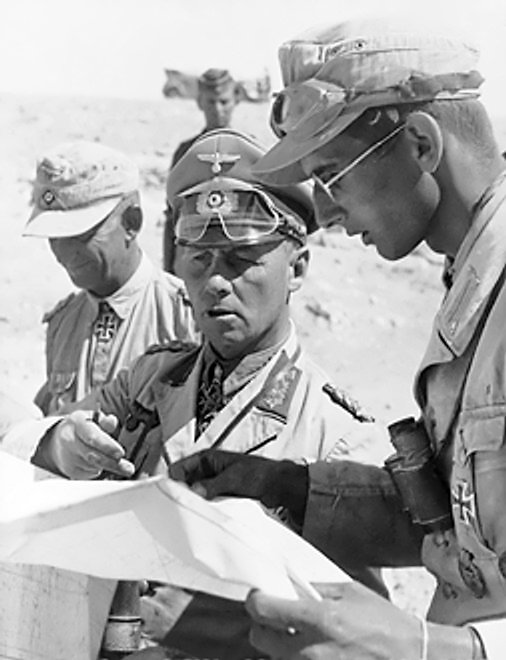
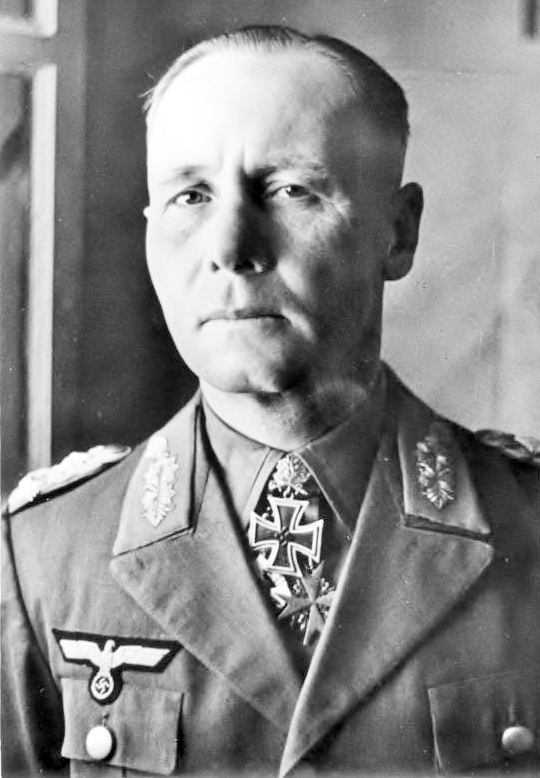


Overview and military career
Rommel began his military service before World War I and distinguished himself as a junior officer on the Western Front. In World War II he gained celebrity commanding forces in North Africa from 1941 to 1943, employing mobile warfare, reconnaissance, and flexible tactics that won early successes against Commonwealth armies. His forces were finally turned back at the Second Battle of El Alamein; following the North African defeat he served in command roles in Europe and took part in building coastal defenses against the Allied invasion.
Characteristics, commands and battles
Rommel became associated with several tactical and personal traits: fast, decentralized decision-making; emphasis on personal leadership and front-line presence; and an ability to use terrain and logistics creatively. Major commands and battles connected with his name include:
- Leadership of the Afrika Korps in the North African Campaign.
- Engagements with the British Eighth Army, culminating at El Alamein.
- Oversight of portions of the Atlantic Wall and defensive preparations in France before D-Day.
Reputation, conduct, and controversies
Contemporaries and later observers often noted Rommel's personal courage, his concern for soldiers' welfare, and a reputation for courteous conduct toward captured opponents. The Afrika Korps has not been associated with the same scale of atrocities attributed to other German formations, and Rommel's image was promoted during and after the war as that of an honorable professional soldier. At the same time, historians emphasize caution: the wider Wehrmacht was involved in criminal policies in many theaters, and scholarship debates how far Rommel resisted, accommodated, or remained isolated from Nazi political crimes.
Role in the anti-Hitler conspiracy and death
By mid-1944 Rommel had been in contact with senior German officers opposed to Hitler's leadership and is believed to have known of plans to remove Hitler. After the July 20 plot against Hitler failed, Rommel was implicated. Given his popularity, Hitler offered him a choice between public trial and severe reprisals for his family, or death by his own hand with honors. Rommel accepted the latter option and died on 14 October 1944; the official announcement described his death as occurring in the course of wounds sustained in action.
Legacy and historiography
Rommel's legacy is complex. He remains a widely recognized figure for operational skill and charismatic leadership, yet his reputation has been reassessed as historians place him in the broader context of the German armed forces under Nazism. Debates examine the extent of his political views, the reality behind the "clean Wehrmacht" narrative, and the reasons his myth endured in postwar memory across different countries.
Further reading and external resources
- Biographical summary and early life
- Military rank and honors
- Birthplace and family background
- Circumstances of death and location
- Service record and promotions
- Context of the German Army in the 20th century
- Wehrmacht structure and organization
- Rommel in World War I
- Rommel in World War II
- North African campaign overview
- Timeline of the North African Campaign (1940–1943)
- Opposing forces: the British Eighth Army
- El Alamein and its significance
- Allied operations in Western Europe
- Accounts describing Rommel's personal conduct
- Aftermath of the July 20 plot
- Executions and reprisals following the plot
- Hitler's offer and the choices presented to implicated officers
- Historical debates about Rommel's role and memory
The above summary offers a concise portrait of Erwin Rommel's life, commands, and contested memory. For a rounded understanding, consult multiple specialist studies and primary-source collections that explore both operational detail and the political-moral context of the German military during his career.
Questions and answers
Q: Who was Erwin Johannes Eugen Rommel?
A: Erwin Johannes Eugen Rommel was a Field Marshal in the German Army who served in World War I and World War II. He is most famously known as the "Desert Fox" for his leadership of the German forces during the North African Campaign (1940-1943).
Q: When and where was he born?
A: Erwin Johannes Eugen Rommel was born on 15 November 1891 in Heidenheim Württemberg.
Q: How old was he when he died?
A: Erwin Johannes Eugen Rommel died at the age of 52, in 1944.
Q: What did he command during WWII?
A: During WWII, Erwin Johannes Eugen Rommel commanded the German Army in North Africa during the North African Campaign (1940-1943) and later commanded the German forces defending against Allied Normandy invasion (1944).
Q: How were soldiers treated by his army?
A: Soldiers captured by his army were treated well, and orders to kill captured Jewish soldiers and civilians were ignored.
Q: What plan did Rommel know of that involved senior officers?
A: In 1944, Rommel knew of a plan by senior officers to assassinate Hitler.
Q: How did Hitler respond when this plan failed?
A:When this plan failed, all concerned were tortured and executed. Hitler offered him the choice of suicide or court-martial, and he committed suicide.
Related articles
Author
AlegsaOnline.com Erwin Rommel — German field marshal known as the 'Desert Fox' Leandro Alegsa
URL: https://en.alegsaonline.com/art/32078
Sources
- news.bbc.co.uk : "Desert Fox photos aided war mural"
- books.google.com : Erwin Rommel: The Background, Strategies, Tactics and Battlefield Experiences of the Greatest Commanders of History
- ww2db.com : "Erwin Rommel"
- storico.org : storico.org