
Eraser: types, materials, uses and care
Comprehensive guide to erasers — materials and types (rubber, vinyl, kneaded, gum), how they work, history, common uses in writing and art, and tips to avoid paper damage.
Overview
An eraser is a small handheld tool used to remove marks from paper and other surfaces. Most commonly associated with pencil marks, erasers are made in a variety of materials and shapes to suit different jobs: correcting writing, refining drawings, or cleaning boards. While the everyday pink block is familiar to many, erasers also include vinyl blocks, kneaded putty, gum types, and mechanical tips that attach to pencils.
Image gallery
7 Images


Materials and how they work
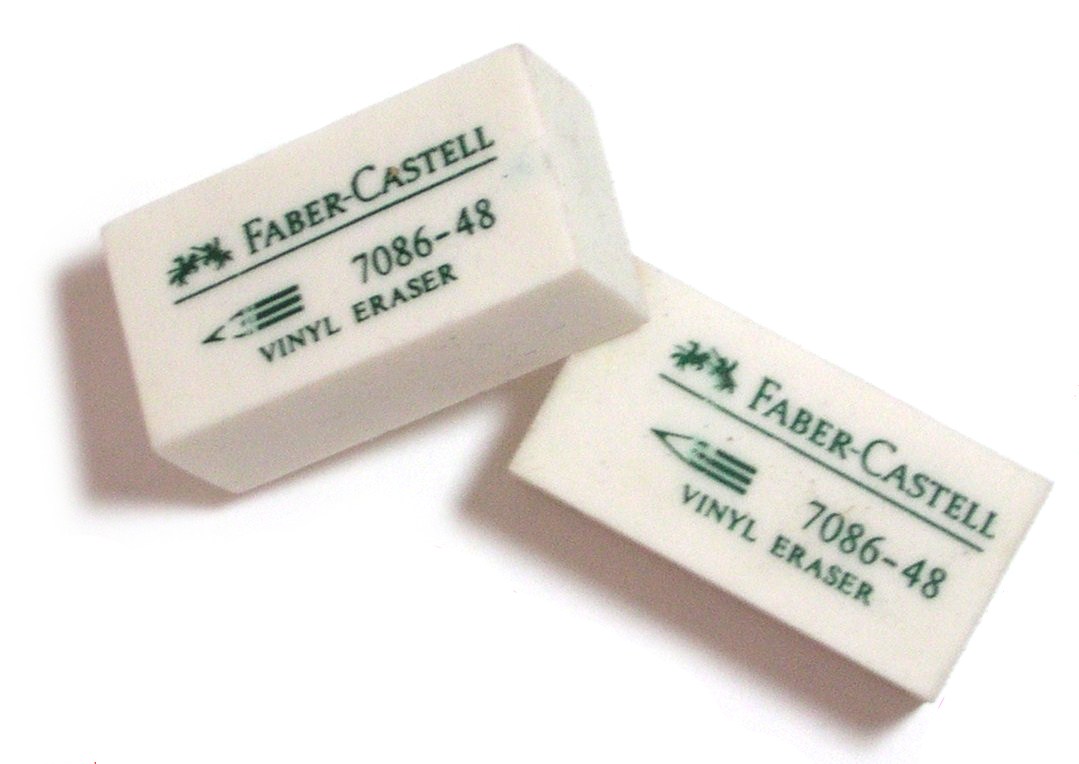
Different kinds of erasers remove marks by slightly different mechanisms. Traditional rubber and synthetic vinyl erasers rely on friction to dislodge and lift graphite particles off the paper and gather them into small crumbs. Rubber erasers are soft and elastic, while synthetic erasers such as vinyl or plastic are often firmer and can remove heavier marks. A pencil eraser is typically made to work specifically on graphite, whereas specialty erasers may address other media.
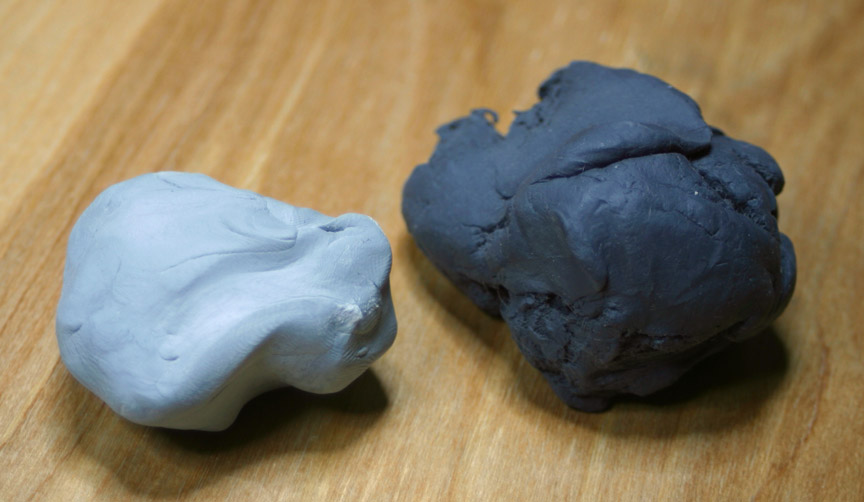
Ink removal is more difficult: some dedicated erasers and chemical erasers can reduce light pen marks, but results vary. Kneaded erasers behave differently: they lift pigment through adhesion rather than abrasion, so they are popular with artists for shaping highlights. Gum erasers crumble readily and are non-abrasive, making them gentle on delicate papers.
Types and common forms
- Block or stick erasers: rectangular or rounded blocks used for general correction.
- Pencil-top erasers: small erasers fixed to or slipped over a pencil end for convenience.
- Kneaded erasers: pliable putty-like erasers used in drawing to lift charcoal, graphite, and pastels.
- Gum erasers: crumbly, soft erasers suited to sensitive papers.
- Abrasive art erasers: vinyl or plastic erasers that can remove dense media but may abrade paper.
- Board erasers: felt or foam pads used to clear chalk from a blackboard or whiteboard; historically felt versions removed chalk from classroom surfaces.
History and development
Before manufactured erasers became common, people used soft bread crumbs or similar materials to lift marks from paper. As natural rubber became available and then synthetics were developed, blocks of rubber were produced that removed graphite more effectively. Over time manufacturers refined formulations and shapes to offer less abrasive, low-crumb, or high-lift variants for different tasks.
Uses, examples and care
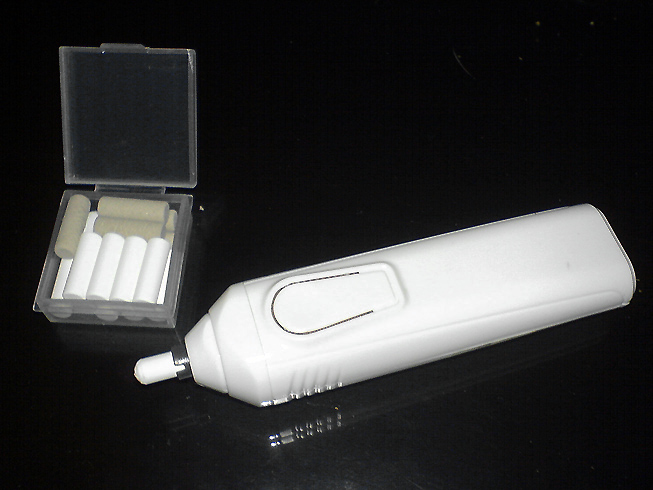
Erasers are indispensable in education, drafting, and art. Artists use kneaded erasers to create highlights and subtle corrections, while designers may use an eraser shield or a sharp-block eraser for precise removal. When erasing, apply gentle pressure and small strokes to avoid tearing or thinning the paper; heavy rubbing can produce dust or debris and may abrade the sheet. Mechanical erasers powered by a small motor are available for delicate conservation work or detailed correction.
Notable distinctions and practical tips
Pink erasers are often softer and were historically formulated to be inexpensive and effective for light marking. White vinyl erasers tend to be harder and better for tough, dark graphite or ink smudges but can remove surface fibers. To preserve paper and achieve clean corrections: choose an eraser suited to the medium, keep erasers clean by kneading or trimming crumbs away, and test on a corner before broad use. For classroom blackboards, felt or foam erasers remain standard and are sometimes combined with cleaning solutions for best results; see a supplier or reference at chalk supplies or maintenance guides like board care.
Author
AlegsaOnline.com Eraser: types, materials, uses and care Leandro Alegsa
URL: https://en.alegsaonline.com/art/31847