
Postage stamp
Small adhesive labels issued by postal authorities to show postage paid; used to prepay mail, commemorate subjects, and collected by philatelists since the 19th century.
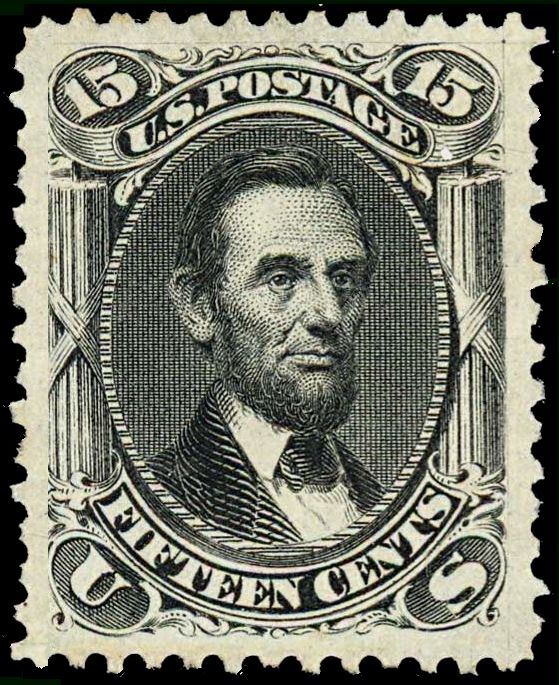
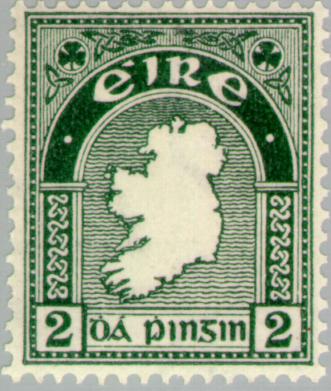
A postage stamp is a small piece of paper or other substrate affixed to a letter, card or parcel to show that postage has been paid. Modern stamps usually have an adhesive backing, either water-activated gum or self-adhesive, and are traditionally placed on the top-right corner of an envelope. In addition to indicating payment, stamps show a denomination, issuing authority and often a pictorial design or inscription. When mail enters the postal system, stamps are normally marked by cancellation to prevent reuse.
Image gallery
10 Images





Characteristics and production
Typical components of a stamp include the substrate (commonly paper or polymer), the printed design, a denomination indicating the fee covered, and a gum or adhesive on the reverse. Edges are frequently finished with perforations or die-cut shapes to permit separation from a sheet. Modern production uses various printing techniques—intaglio, lithography, offset, gravure and digital methods—and may incorporate security features such as microprinting, tagging for automated processing, or special inks.
Where and how stamps are used
Stamps are affixed to letters and parcels when sending them through a national or private postal service. For domestic and international mail, stamps pay rates for classes of service such as standard mail, airmail, or registered delivery. The conventional placement on an envelope is the upper-right corner; other formats and labels exist for parcels, bulk mail and printed matter. In some postal systems, alternative methods such as franking machines or online "e-stamps" supplement traditional adhesive stamps.
History and early examples
The first adhesive postage stamp intended for nationwide use was introduced in the United Kingdom with the Penny Black, issued on 1 May 1840 by postal authorities in the United Kingdom. This innovation formed part of reforms to simplify postal rates and prepayment. The success of adhesive stamps spread rapidly, and by the late 19th century most countries had adopted similar systems and begun producing their own designs and denominations.
Types, themes and special issues
Postage stamps serve functional and commemorative purposes. Definite issues (or definitive stamps) cover everyday rates and remain in circulation for long periods. Commemorative issues mark anniversaries, notable people, events or cultural themes and are often produced in limited runs. Other specialized stamps include airmail, postage due, charity (semi-postal) and revenue stamps. Designs project national identity and may feature art, history, flora and fauna, technology or sport.
Collecting and philately
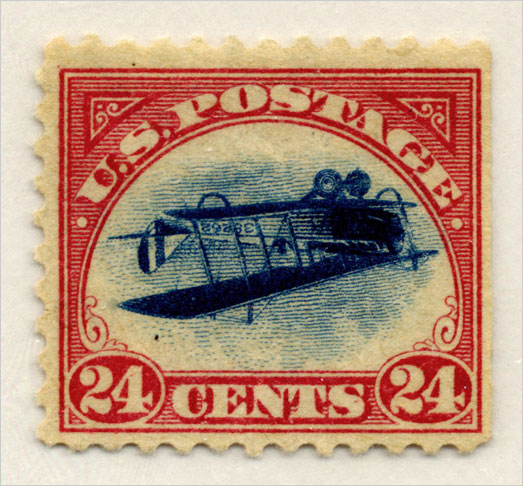
Collecting stamps—philately—combines hobby and historical study. Collectors mount stamps in stamp albums, classify them by country, topic or issue, and evaluate attributes such as condition, gum, perforations and watermarks. Errors, misprints and varieties can acquire particular interest and value; famous examples include stamps with inverted centers or wrong colors. Catalogs, specialist literature and exhibitions support the philatelic community and provide reference standards.
Distribution worldwide and modern trends
There are many stamp-issuing authorities around the world, ranging from national postal administrations to territories and special zones. In recent decades, trends include a shift to self-adhesive materials, use of thematic series to appeal to collectors, and digital services that complement physical stamps. Despite reduced letter volumes in some regions, stamps remain a visible emblem of postal systems and a small source of revenue and soft diplomacy for issuing authorities.
Preservation and study
Proper care preserves a stamp's condition and value: avoid bending or touching the face with oils from fingers, store stamps in a dry environment away from direct light, and use acid-free mounts in albums. Philatelic study also examines postal stationery, postmarks and postal history to understand routes, rates and usages. Together, design, production, usage and collecting make postage stamps a compact but rich subject of cultural, economic and historical interest.
For further reading on materials and design choices see entries on paper, on standard mailing practices and envelope placement see resources explaining where to place a stamp on an envelope, and for postal regulations consult your national postal service. Catalogs and specialist guides list denominations and varieties, and museums or online archives often exhibit notable issues such as the Penny Black and other landmarks in postal history.
Related articles
Author
AlegsaOnline.com Postage stamp Leandro Alegsa
URL: https://en.alegsaonline.com/art/78375