
Birth certificate
An official record documenting a birth, its typical contents, how registration works, legal uses and limitations, and variations in form and practice around the world.
A birth certificate is the official record that documents the occurrence of a birth and certain facts about that event. It is commonly issued by a government civil registration authority and regarded as a primary vital record. The document typically records the child's name, date and place of birth, and parentage; in many jurisdictions it also shows information about the person who reported the birth and the date the birth was registered. While a birth certificate is important evidence that a birth took place, it is not a substitute for photographic identification when proving a living person's identity.
Image gallery
10 Images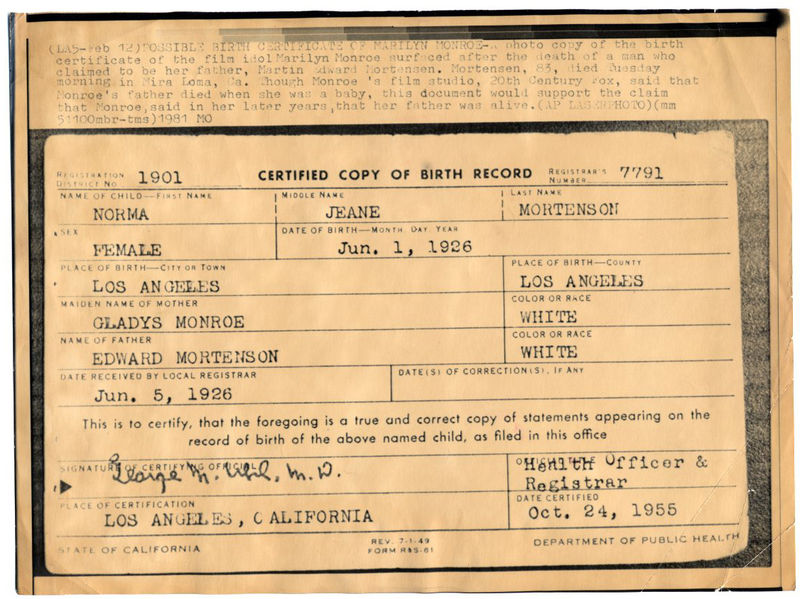


Typical contents
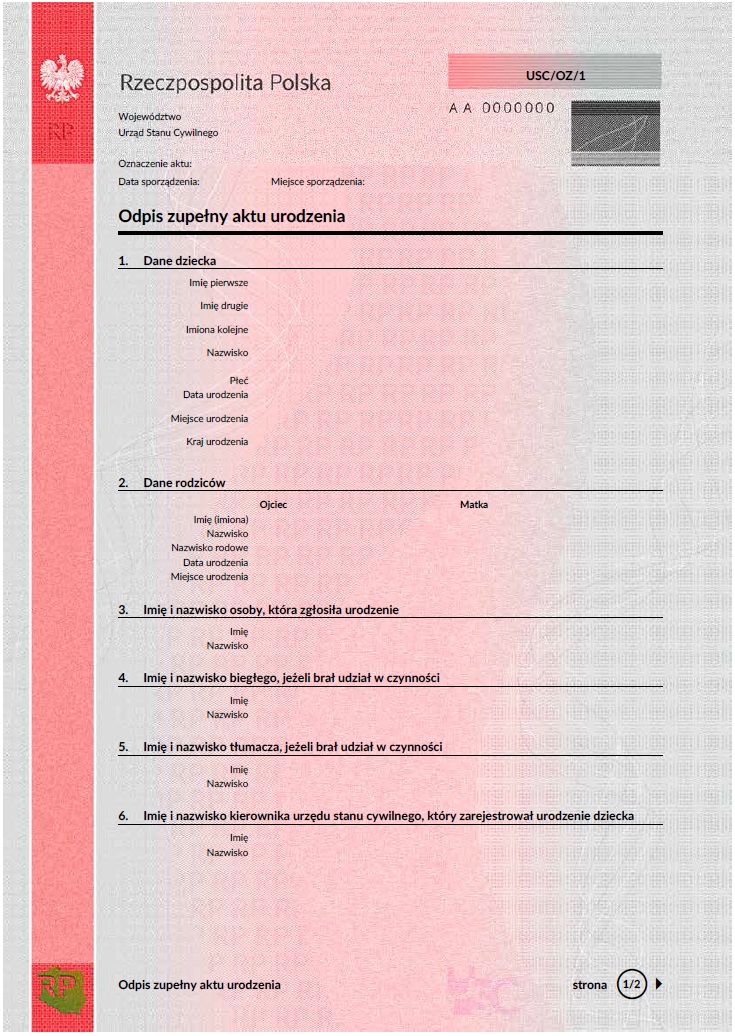
Most birth certificates include a set of standard data items. These often appear in a structured form so that they can be filed and searched by a registry:
- Child's name at birth (given name and surname) — sometimes shown as birth name.
- Date and time of birth and the precise place of birth (hospital, home or other facility).
- Sex of the child, which may be recorded as male, female, or in some places with additional options or notes.
- Names and often occupations or residences of the parents; in special cases (such as adoption) entries may be altered under legal rules.
- Birth weight and length, name of the informant or attendant, registration date, and a registration or file number for official tracking.
Registration process and responsibility
Laws and administrative practice vary by country and locality. In many systems registration must occur within a specified period after birth; failure to register on time may require a delayed registration procedure. In the United States and similar systems, the attending physician, midwife or a hospital administrator normally prepares the record and submits it to the local registrar — roles often described in law and guidance for health professionals and institutions (physicians, midwives). Civil authorities then issue certified copies on request.
Uses, proof and limitations
Birth certificates are widely used to establish age, familial relationships and, in many countries, an initial basis for claiming nationality or citizenship. They are commonly required for school enrollment, obtaining a passport, social benefits and some legal procedures. However, a certificate alone generally does not prove identity in situations that require photo-ID; governments and organizations typically request additional documents for strong identity verification.
History, variants and notable points
Handwritten parish or church registers recorded baptisms and births in many places before modern civil registration systems emerged in the 18th and 19th centuries. Today, birth records may exist in short-form and long-form versions: a short certificate often states only basics for routine purposes, while a long-form or certified copy reproduces the full registration. Many jurisdictions now offer electronic registration and enhanced security features to reduce fraud. Corrections, amendments and delayed registrations are handled by administrative or judicial processes, reflecting both the legal importance of the record and the need to preserve accurate vital statistics.
Practical considerations
Individuals seeking a birth certificate should contact the civil registry where the birth was registered to learn requirements and available formats. When records are missing or when births occurred abroad, consular or central authorities may provide guidance. Because systems differ, it is important to follow local rules for obtaining certified copies, making amendments, or replacing damaged records.
Questions and answers
Q: What is a birth certificate?
A: A birth certificate is a vital record that documents the birth of a child.
Q: What information does a birth certificate usually include?
A: A birth certificate usually includes the birth name, date and time of birth, sex of the child, place and/or location of birth, names of the parents of the child, occupations of parents of the child, birth weight and length, name of informant registering the birth, date of registration of birth, and a birth registration number or file number.
Q: Who is responsible for preparing the official birth certificate in the United States?
A: In the United States, it is the responsibility of the mother's physician, midwife, or a hospital administrator to prepare the official birth certificate.
Q: Is a birth certificate proof of a person's identity?
A: No, a birth certificate itself is not proof of a person's identity, but only a record stating that a birth occurred at the time, date, and place stated on the certificate.
Q: What may a person need to prove their identity?
A: A person may need a photo ID, generally issued to an adult, to prove their identity.
Q: Do most countries have regulations for the registration of births?
A: Yes, most countries have statutes and laws that regulate the registration of births.
Q: Are the occupations of the parents of the child included on a birth certificate?
A: Yes, the occupations of the parents of the child are usually included on a birth certificate.
Related articles
Author
AlegsaOnline.com Birth certificate Leandro Alegsa
URL: https://en.alegsaonline.com/art/11756