
Façade (architecture): definition, elements, history and uses
A façade is the exterior face of a building—commonly the front—comprising design, materials and structural elements that shape appearance, function and cultural meaning.
The term façade refers to one exterior side of a building, most often the principal front that faces a street or open space. A façade combines aesthetic design and practical functions: it communicates style, controls light and air, contributes to weatherproofing, and expresses the building's identity to viewers. The word itself derives from French and literally means 'frontage' or 'face'. French façade and its English form are used widely in architecture, conservation and everyday description.
Image gallery
10 Images

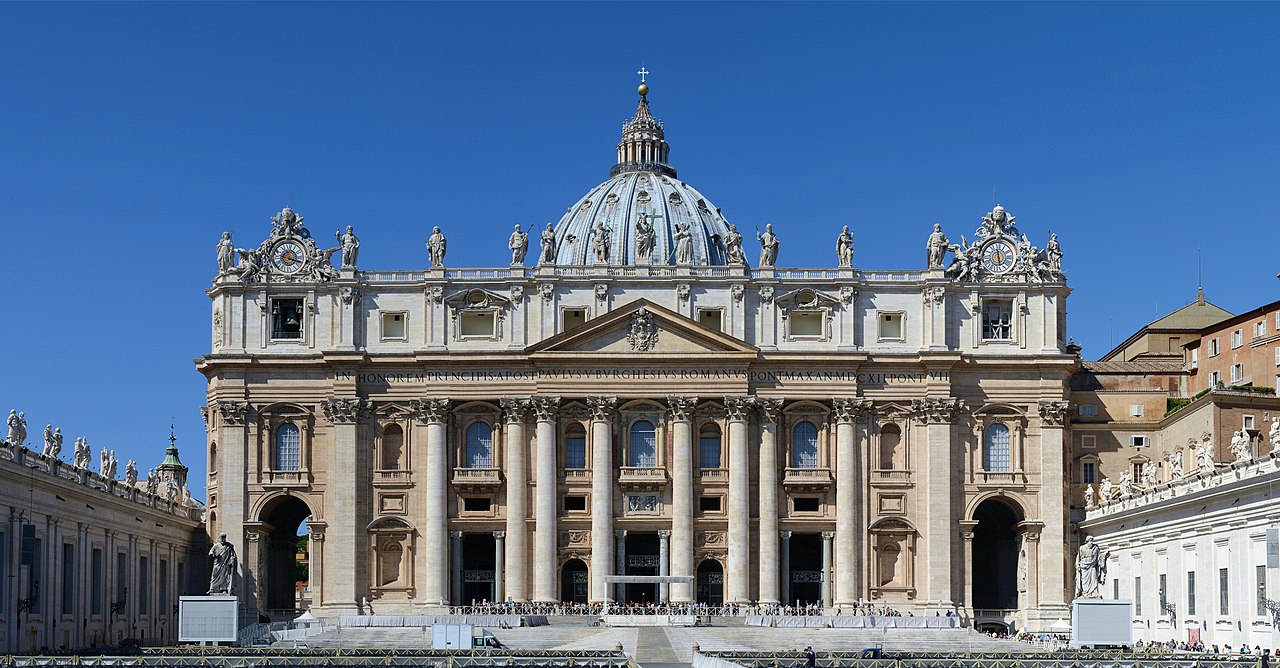


Key components and characteristics
A building façade is not simply a flat decorative surface. Typical components include openings such as windows and doors, cladding or surface material, structural elements like columns or pilasters, and detailing such as cornices, balconies or shading devices. A façade can be load-bearing or non-structural (a curtain wall), and it may incorporate insulation, glazing, ventilation and drainage systems.
- Cladding and finishes: stone, brick, metal panels, glass, render or composite materials.
- Openings and fenestration: arrangement and size of windows and doors that affect daylight and views.
- Ornament and articulation: decorative elements, setbacks, or rhythm that define style.
History and development
Façade design has evolved with construction technology and aesthetic movements. In classical architecture façades expressed symmetry and order; during the modern era advances in steel and glass enabled lightweight curtain walls and greater transparency. Historic façades are central to conservation efforts because they convey cultural and architectural heritage.
Functions, examples and significance
Beyond appearance, façades regulate thermal performance, acoustic privacy and weather protection. Contemporary practices emphasize energy efficiency and responsive façades that adapt to sun and wind. Examples range from ornate Baroque fronts that announce civic importance to minimalist glass façades that prioritize openness and daylight. Architects and engineers balance artistic intent, structural requirements and environmental performance when designing façades.
Related terms and notable distinctions
People sometimes use façade interchangeably with 'elevation', though elevation refers to an orthographic drawing or one side of a building in technical documentation. The principal face is often called the front façade, while secondary façades face courtyards or alleys. For more general context about buildings and exterior design see building façade resources and linguistic notes on the word's origin and meaning at face.
Related articles
Author
AlegsaOnline.com Façade (architecture): definition, elements, history and uses Leandro Alegsa
URL: https://en.alegsaonline.com/art/33184