
Álvaro Obregón: Mexican revolutionary leader and president (1880–1928)
Military commander and president who rose from Sonoran roots to lead Mexico after the Revolution; noted for battlefield skill, agrarian and educational policies, and his assassination in 1928.
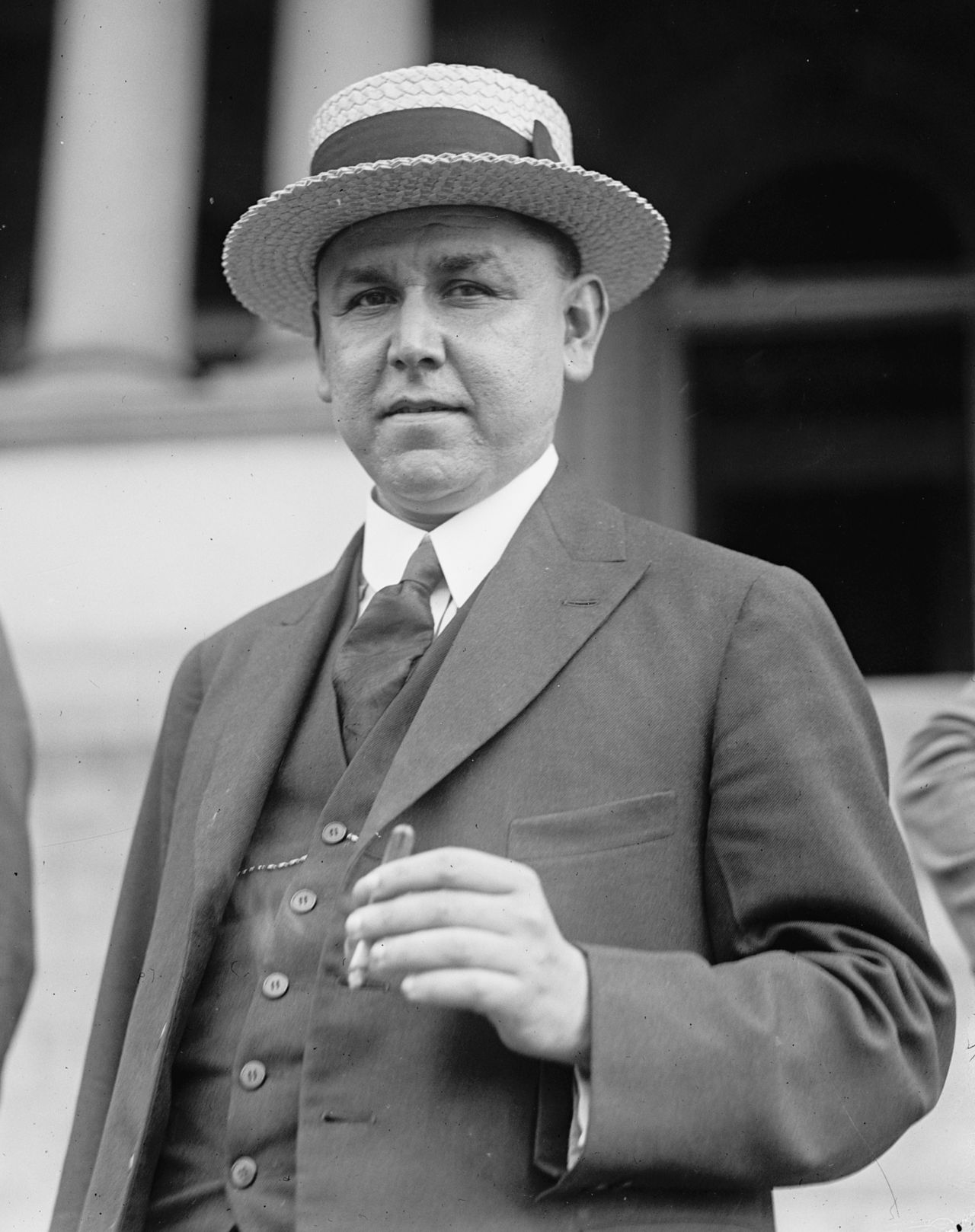
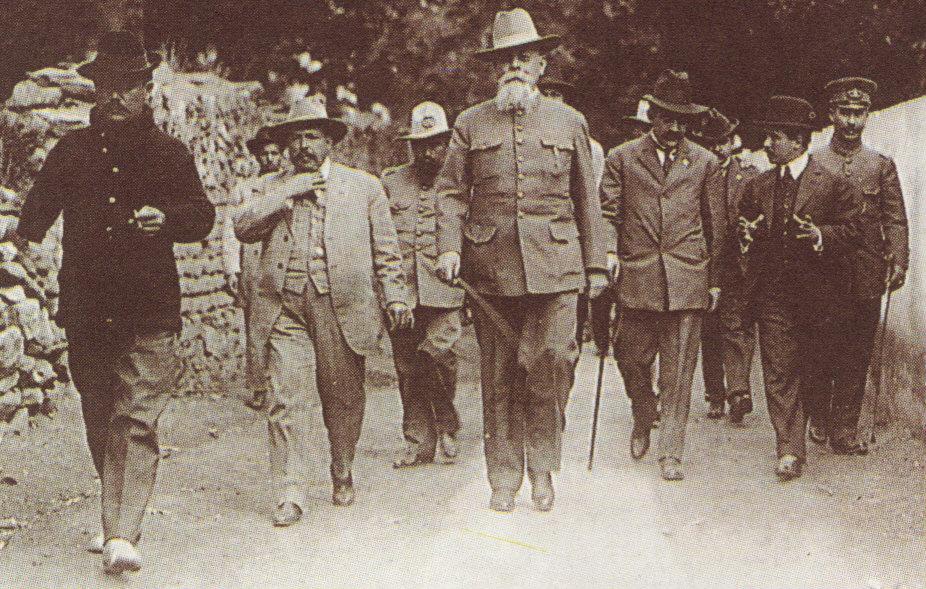
Álvaro Obregón Salido (February 19, 1880 – July 17, 1928) was a central figure of the Mexican Revolution and a formative president during the conflict's aftermath. A Sonoran farmer turned military commander, Obregón became famous for his battlefield leadership, political pragmatism and role in reshaping post‑revolutionary Mexico. His presidency (1920–1924) consolidated a working political order and set patterns that influenced Mexican politics for decades.
Image gallery
10 Images




Early life and rise
Born in the northwestern state of Sonora, Obregón came from a modest rural background and trained as an agricultural engineer before entering public life. He first gained attention as a regional leader and organizer. During the broader upheaval of the Mexican Revolution, Obregón allied with other Sonoran leaders and built a disciplined army that blended local recruits with modern tactics influenced by contemporary warfare.
Military leadership and tactics
Obregón earned a reputation as an innovative commander. At the Battle of Celaya in 1915 he used trenches, barbed wire and concentrated artillery to defeat Francisco Pancho Villa, a campaign that cost him a serious wound and the loss of an arm but secured his standing. His combination of organizational skill, decisive planning and political shrewdness made him one of the Revolution's most effective generals, standing out among other leading figures such as Pancho Villa and Emiliano Zapata.
Presidency (1920–1924) and policies
Elected president in 1920, Obregón governed with a mix of reformist goals and pragmatic compromise. His administration promoted agrarian redistribution in measured form, supported labor legislation, and expanded public education under ministers like José Vasconcelos, who emphasized literacy and cultural programs. On international matters he sought to normalize relations with the United States; negotiations during his term addressed outstanding foreign claims and oil interests.
Later years, reelection and assassination
After leaving the presidency he remained an influential political patron, allied with figures such as Plutarco Elías Calles. Obregón was elected again in 1928 but was assassinated shortly after the victory, before taking office. The killing sent shockwaves through Mexican politics and contributed to further realignments that led toward the institutional party system formed a few years later.
Legacy and notable facts
- Obregón is remembered as both a battlefield strategist and a pragmatic statesman who helped stabilize Mexico after prolonged conflict.
- His government emphasized public education and modest agrarian reform as foundations for social order.
- He survived and outlasted several rival leaders; historians often view his 1920 presidency as marking the transition from revolutionary warfare to political reconstruction.
- For further reading on his life and context see biographies and primary collections linked through general resources: biographical overview, presidential archives, revolutionary context, opponents and battles, broader revolution studies.
Tags
Related articles
Author
AlegsaOnline.com Álvaro Obregón: Mexican revolutionary leader and president (1880–1928) Leandro Alegsa
URL: https://en.alegsaonline.com/art/3136