
Emperor Gaozu of Han (Liu Bang) — founder of the Han dynasty
Liu Bang (Emperor Gaozu) rose from modest origins to defeat rival Xiang Yu, establish the Western Han (202–195 BC), and set political patterns that shaped imperial China for centuries.
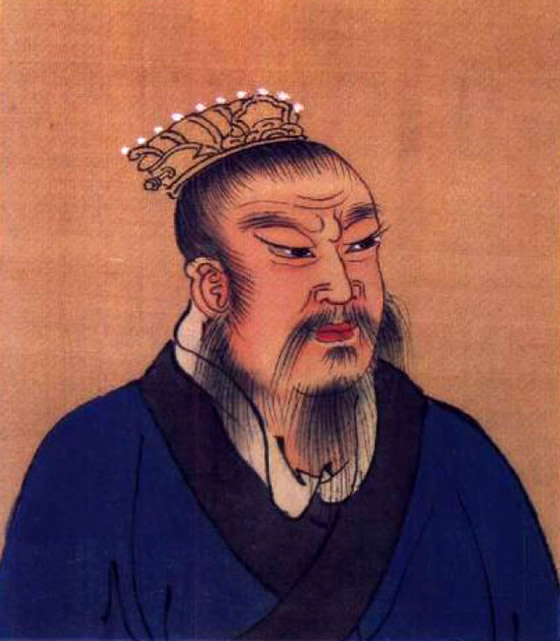
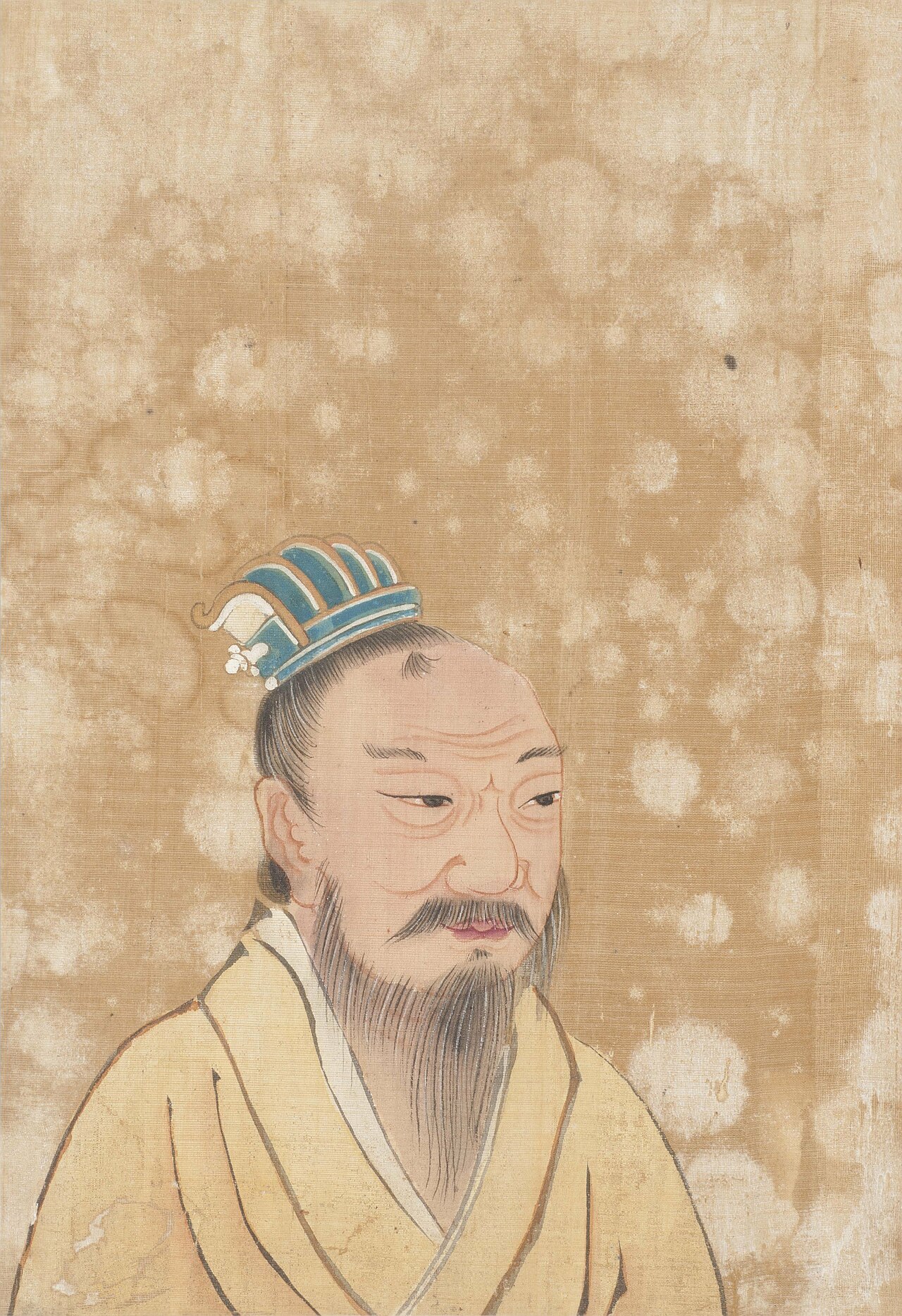
Emperor Gaozu of Han is the temple name given to Liu Bang (劉邦), the founder of the Western Han dynasty. Born in the late third century BC (sources give alternative years), he began life as a low-ranking local official and became a leading rebel against the collapsing Qin state. After the decisive defeat of his chief rival Xiang Yu in 202 BC, Liu Bang declared himself emperor and reconstituted central authority under what became the Han dynasty.
Image gallery
10 Images





Early life and rise to power
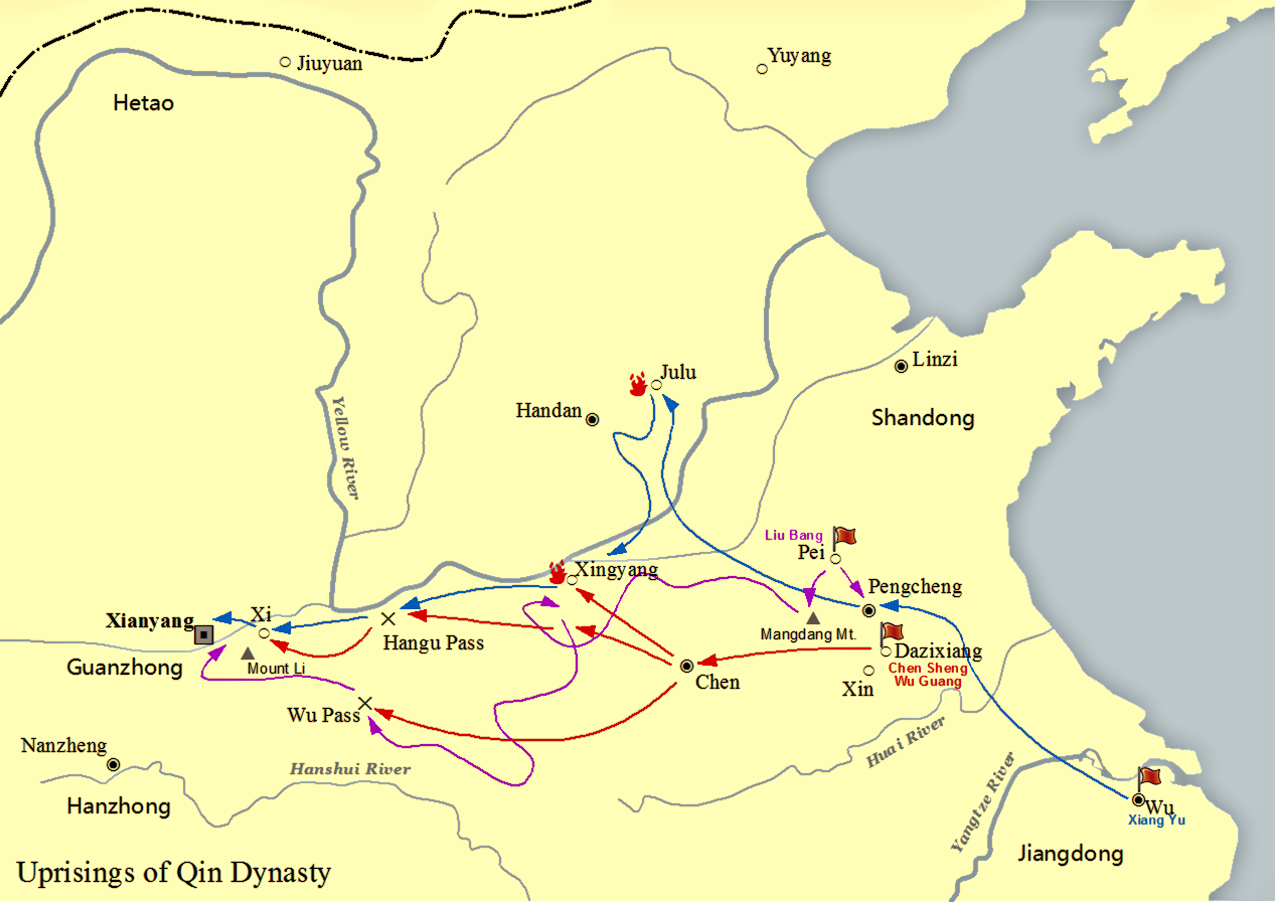
Liu Bang came from a peasant or small-landowner background in the region that is today Jiangsu province. During the unrest that followed the Qin dynasty's harsh policies, he joined the broad anti-Qin uprisings and attracted a group of followers. His talents were both political and military: he relied on able advisers and generals rather than personal martial skill. Close collaborators included the administrator Xiao He, the strategist Zhang Liang, and the general Han Xin, each of whom played distinct roles in defeating rival states and organizing territories.
Military campaigns and founding of the dynasty
The struggle for supremacy after the fall of Qin centered on the rivalry between Liu Bang and the more aristocratic warlord Xiang Yu. Their conflict culminated in a series of campaigns and the climactic Battle of Gaixia. With Xiang Yu defeated, Liu Bang entered the old imperial heartland and proclaimed a new imperial house. He adopted the reign title and posthumous temple name Gaozu, inaugurating an era of imperial institutions that combined elements of Qin centralization with a softened approach to governance.
Reign, policies, and administration
As emperor, Liu Bang pursued relatively moderate policies aimed at stabilizing society after decades of warfare. He reduced the severity of laws and tax burdens compared with the Qin period, restored agricultural production, and balanced central authority with a system of feudal princedoms for members of the royal family and allies. His court faced difficult challenges, including managing powerful generals and rival noble families. Empress Lü Zhi, his wife, became an influential figure during and after his reign.
Succession and historical significance
Liu Bang died in 195 BC. He was succeeded by his son Liu Ying (Emperor Hui), and the early Han succession period involved political struggles that shaped the dynasty's early decades. Historically, Gaozu's importance lies in establishing a durable imperial order—known as the Han—that set administrative patterns, legitimizing Confucian ideals later embraced by the state, and providing a model of centralized rule blended with regional autonomy. The Han dynasty he founded became a cultural and political touchstone for later Chinese history, and the name "Han" remains an enduring ethnic and historical identifier.
Key figures and events
- Xiao He — chief administrator who organized logistics and civil institutions.
- Han Xin — military commander whose campaigns secured northern and western territories.
- Zhang Liang — strategist and advisor in diplomacy and planning.
- Battle of Gaixia (202 BC) — final defeat of Xiang Yu and consolidation of power.
For general background on the Han dynasty and its place in Chinese history, see summaries of the Han dynasty and related entries on early imperial China.
Questions and answers
Q: Who was Emperor Gaozu?
A: Emperor Gaozu was the founder of the Han Dynasty and ruled China from 202 BC to 195 BC.
Q: What was Emperor Gaozu's birth name?
A: Emperor Gaozu's birth name was Liu Bang.
Q: What was Emperor Gaozu's courtesy name?
A: Emperor Gaozu's courtesy name was Ji.
Q: When was Emperor Gaozu born?
A: Emperor Gaozu was born in either 256 BC or 247 BC.
Q: Who did Emperor Gaozu defeat to become the ruler of China?
A: Emperor Gaozu defeated his enemy Xiang Yu to become the ruler of China.
Q: Who was the second emperor of the Han Dynasty?
A: Emperor Wen of Han, Liu Bang's son, was the second emperor of the Han Dynasty.
Q: Where was Emperor Gaozu born?
A: Emperor Gaozu was born in Feng County.
Related articles
Author
AlegsaOnline.com Emperor Gaozu of Han (Liu Bang) — founder of the Han dynasty Leandro Alegsa
URL: https://en.alegsaonline.com/art/31256