
Emperor Norton (Joshua A. Norton): Self-declared Emperor of the United States
Joshua A. Norton (c.1816–1880), known as Emperor Norton, was a San Francisco eccentric who proclaimed himself Emperor of the United States and Protector of Mexico, issuing proclamations and becoming a local legend.
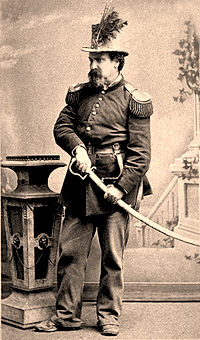
Joshua Abraham Norton — popularly remembered as Emperor Norton — was a colorful and unconventional figure in 19th‑century America. Born in England and later resident in South Africa and the United States, he settled in San Francisco and in 1859 declared himself "Emperor of the United States" and "Protector of Mexico." Though he had no legal authority, his proclamations, eccentric behavior, and the way the city treated him made him a distinctive civic personality whose reputation has endured.
Image gallery
9 Images




Early life and business ventures
Norton’s exact birth year is uncertain; most sources place it in the 1810s. He emigrated as a young man and spent time in South Africa before arriving in California during the Gold Rush era. In San Francisco he engaged in trade; one remembered venture involved buying large quantities of rice in an attempt to corner that commodity’s market. That speculation failed when additional supplies arrived by ship, and he lost his fortune. After this financial reversal he largely withdrew from conventional business life.
The imperial proclamation and public role
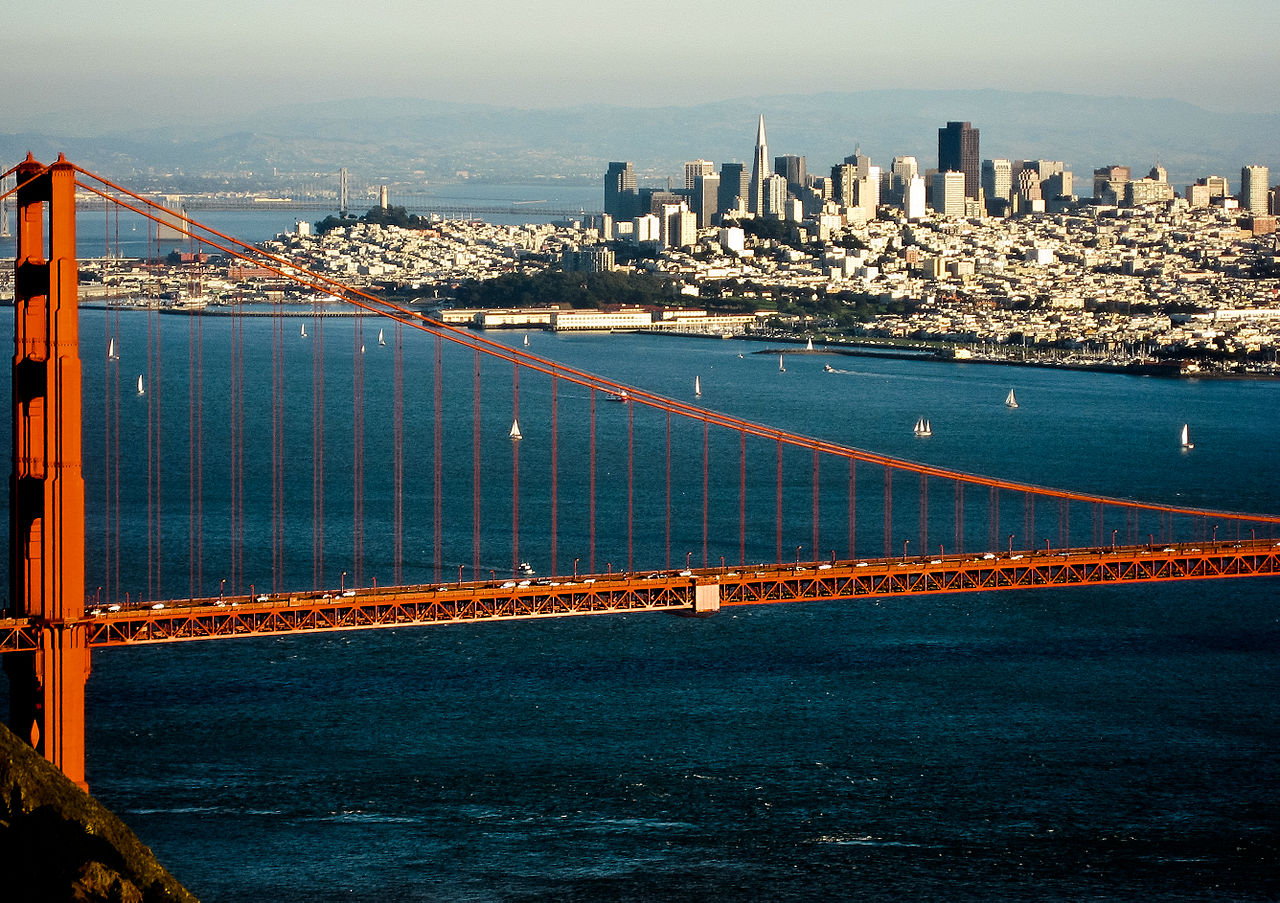
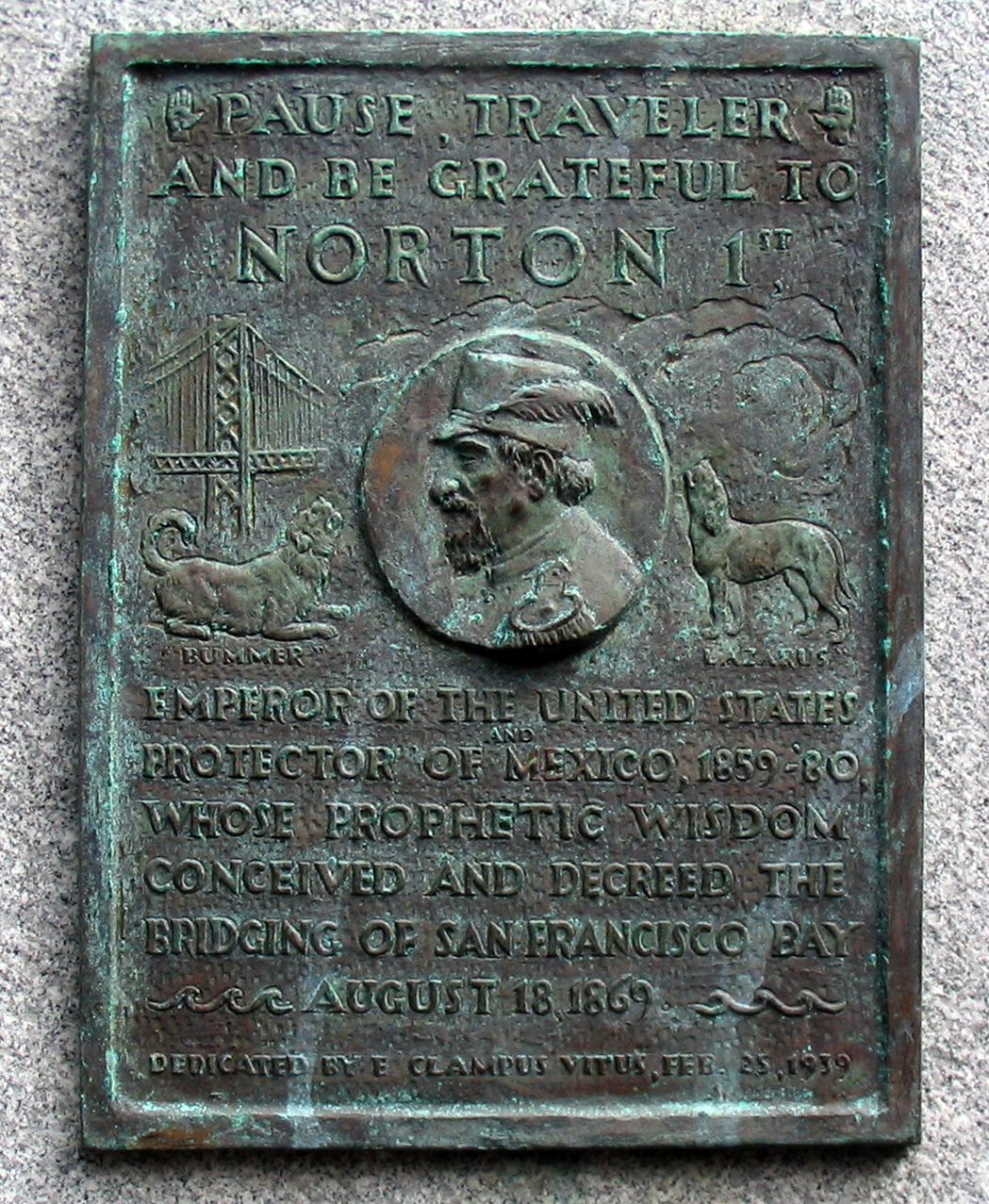
On a widely reported date in 1859 Norton announced his imperial title and thereafter issued a stream of proclamations, edicts and letters addressed to political and civic leaders. These ranged from fanciful to pointed: he proclaimed the dissolution of Congress, called for reforms in public life, and even proposed public works such as a bridge linking San Francisco with the East Bay. Some of his proclamations were printed and lampooned by local newspapers; others were reprinted verbatim and treated with amused respect.
Public reception and daily life
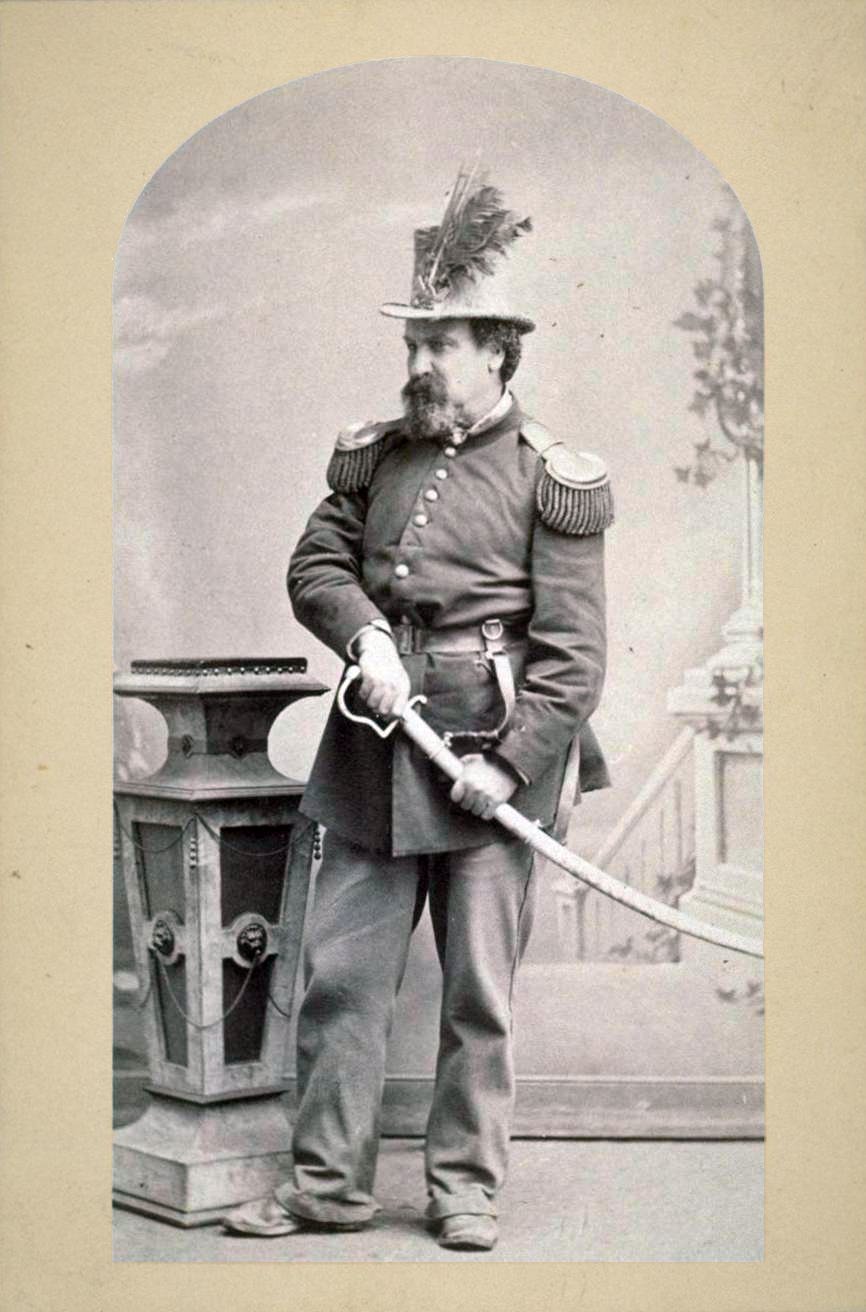
Rather than being removed as a public nuisance, Norton became an accepted and often cherished member of the city. Citizens, newspapers, and businesses treated him with a mixture of indulgence and affection. He wore a military-style uniform and sword, issued his own currency-like notes that local shopkeepers sometimes accepted, and was frequently given complimentary meals or transit. His behavior was generally eccentric but nonviolent; police and public officials largely tolerated him and occasionally assisted him when needed.
Death and legacy
Norton collapsed and died on January 8, 1880. Contemporary accounts describe a large funeral attended by many residents, and later retellings note atmospheric coincidences the public found memorable. He was buried at Woodlawn Cemetery; his grave marker records his adopted imperial name and dates often reported in biographical notices. Over time Norton became a symbol of San Francisco’s tolerant, idiosyncratic civic culture. He appears in literary and popular accounts, inspires historical inquiry, and is commemorated in local museums, exhibits, and cultural references.
Notable facts
- He styled himself as both Emperor of the United States and Protector of Mexico and published many proclamations in the press.
- His earlier commercial failure involved attempting to influence the rice trade; that episode is often cited in accounts of his decline into eccentricity.
- Contemporary press and citizens treated him with a level of respect that allowed him a unique public role despite his lack of legal power; his life raises questions about identity, community, and the social handling of eccentricity in a growing American city. See further reading and collections at local archives and online resources such as research collections.
Emperor Norton remains a subject of fascination for historians and the public alike: part folk hero, part urban character study, his story illustrates how communities create meaning around atypical individuals and how eccentricity can become civic lore.
Questions and answers
Q: What was Emperor Norton's full name?
A: His full name was Joshua Abraham Norton.
Q: Where was he born?
A: He was born in London to John and Sarah Norton.
Q: How did he make a living before becoming emperor?
A: Before he became emperor, he made a living by being a businessman.
Q: What happened to his money when he tried to control the rice market in San Francisco?
A: When he tried to control the rice market in San Francisco by buying all the rice he could find, he lost a lot of money because ships came with more rice.
Q: When did Emperor Norton I die?
A: Emperor Norton I died on January 8, 1880.
Q: What is the cause of his death?
A: The cause of his death is unknown.
Q: Where is Emperor Norton buried?
A:He is now buried at Woodlawn Cemetery.
Related articles
Author
AlegsaOnline.com Emperor Norton (Joshua A. Norton): Self-declared Emperor of the United States Leandro Alegsa
URL: https://en.alegsaonline.com/art/31259
Sources
- sfmuseum.org : "Norton I, Emperor of the United States"
- associatedcontent.com : "The First Emperor of the United States: Joshua Norton - Associated Content - associatedcontent.com"
- pbs.org : "PBS - THE WEST - Joshua Abraham Norton"