
Altes Museum — Berlin’s neoclassical museum on Museum Island
Altes Museum is a neoclassical museum on Berlin’s Museum Island, housing the Antikensammlung and Münzkabinett. Designed by Karl Friedrich Schinkel, it opened in 1830 and remains a landmark of public education and architecture.
Overview
The Altes Museum is a prominent museum building on Berlin’s Museum Island, set along the Spree River in central Berlin. Conceived as a public temple of the arts, it opened in 1830 and today houses significant portions of the city’s classical antiquities and coin collections. The ensemble of museums on Museum Island, including the Altes Museum, is recognized as a UNESCO World Heritage Site.
Image gallery
10 Images


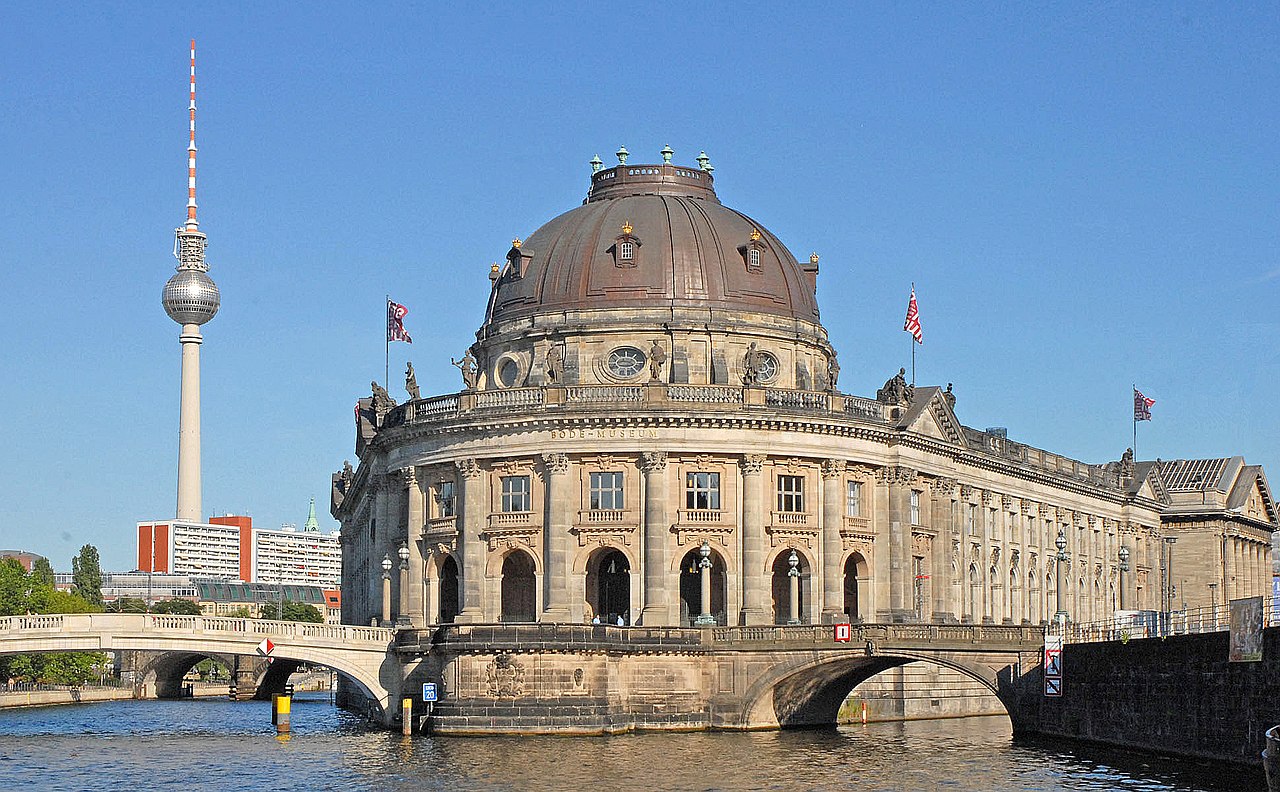


Architecture and design
Planned in the neoclassical idiom, the Altes Museum presents a temple-like façade defined by a broad portico of Ionic columns and a raised podium. Its design emphasizes symmetry, clear geometry and references to ancient models: a domed rotunda provides a central focal point and a ceremonious stair leads from the adjacent Lustgarten into the principal galleries. While the building borrows visual vocabulary from ancient Greece and Rome — often described simply as Greek in inspiration — it is a nineteenth-century German creation intended for museum display rather than worship.
Creation and early purpose
Originally called the Königliches Museum, the building was developed through the 1820s and formally opened in 1830. The project was shaped by educational ideals associated with Wilhelm von Humboldt, who advocated public access to knowledge and the arts. Architect Karl Friedrich Schinkel played a central role in its conception, producing a layout that highlighted both monumental form and practical circulation for visitors. The name 'Altes Museum' (Old Museum) became common after the later construction of the Neues Museum.
Collections and display
Today the Altes Museum primarily exhibits the Antikensammlung (Collection of Classical Antiquities) and the Münzkabinett (Coin Cabinet). These holdings include sculptures, reliefs and artifacts from ancient Greece, Etruria and Rome, alongside extensive numismatic material used for historical and artistic study. The arrangement emphasizes chronological and typological groupings so visitors can trace stylistic developments and historical contexts.
History, damage and restoration
Through the twentieth century the Altes Museum experienced changing roles. It was part of national cultural narratives in imperial and later Nazi Germany, and the building suffered damage during World War II. Postwar repairs restored structural soundness and gallery spaces, with an extended renovation period in the mid-twentieth century. After German reunification, the Museum Island complex underwent further conservation and updating to meet modern museum standards and visitor needs.
Legacy and visitor experience
The Altes Museum remains an important example of how architectural form and public purpose were combined in early museum design. Located directly in front of the grassy Berliner Lustgarten, it continues to attract students, scholars and general visitors who come to view classical antiquities and to appreciate the building as an early expression of public cultural education. Practical visitor information, exhibitions and research activities are provided by the museum administration and partner institutions; for official resources and further reading see the museum pages and related guides: museum information, classical art overview, architectural notes, heritage listing, Schinkel biography, building profile, Berlin city resources.
Related articles
Author
AlegsaOnline.com Altes Museum — Berlin’s neoclassical museum on Museum Island Leandro Alegsa
URL: https://en.alegsaonline.com/art/3067