
El Paso County, Colorado
El Paso County is a populous county in central Colorado with Colorado Springs as its seat. It spans urban plains and Rocky Mountain foothills and includes military, recreational, and governmental centers.
Overview
El Paso County is a large and diverse county in the state of Colorado, in the United States. Its county seat and largest city is Colorado Springs, which functions as the region's cultural and economic center. In 2010 the county recorded a population of 622,263, making it the second-most populous county in the state after Denver. The county's name, Spanish for "the pass," reflects its geographic position near natural passages through the Rocky Mountains.
Image gallery
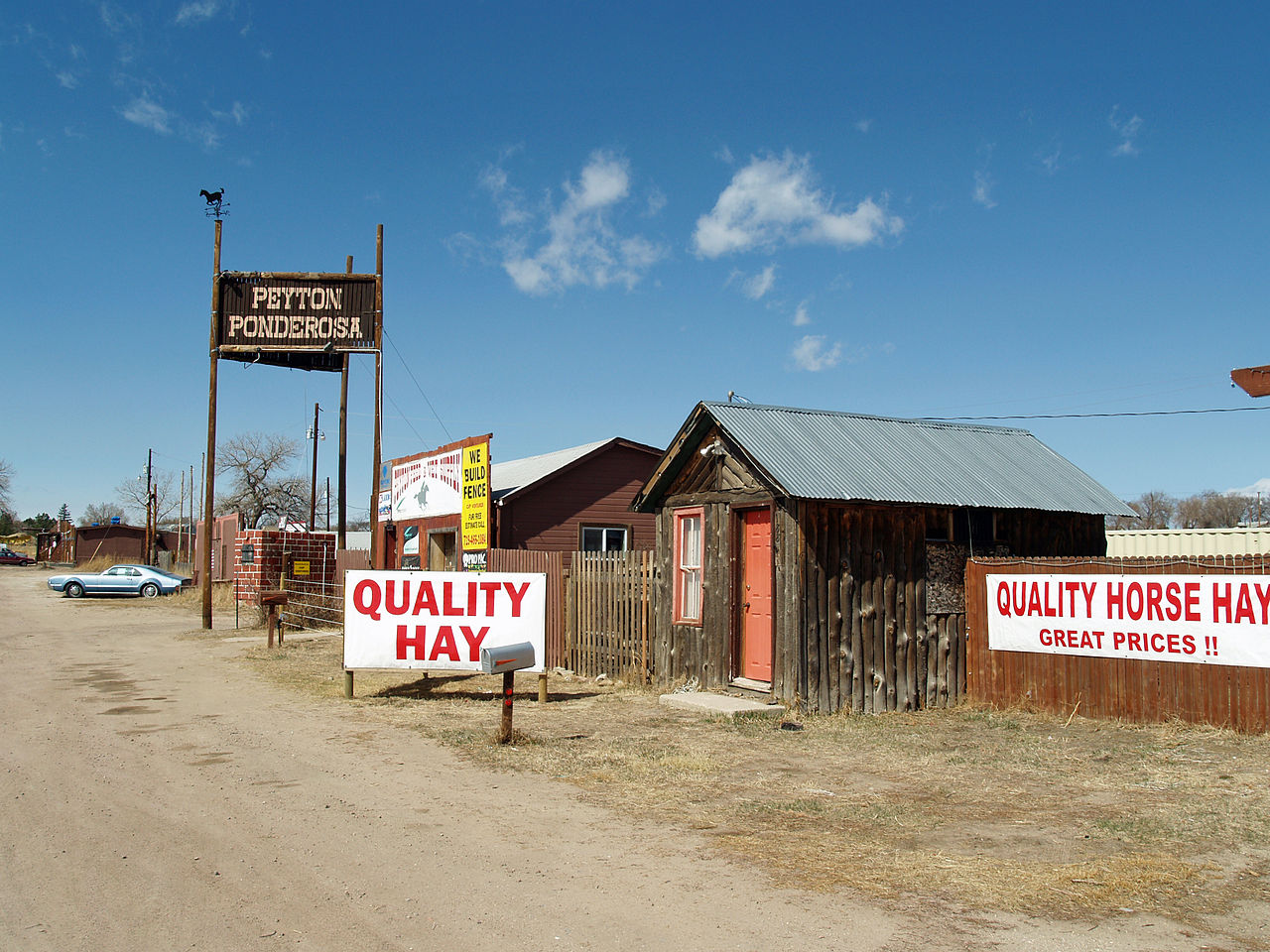
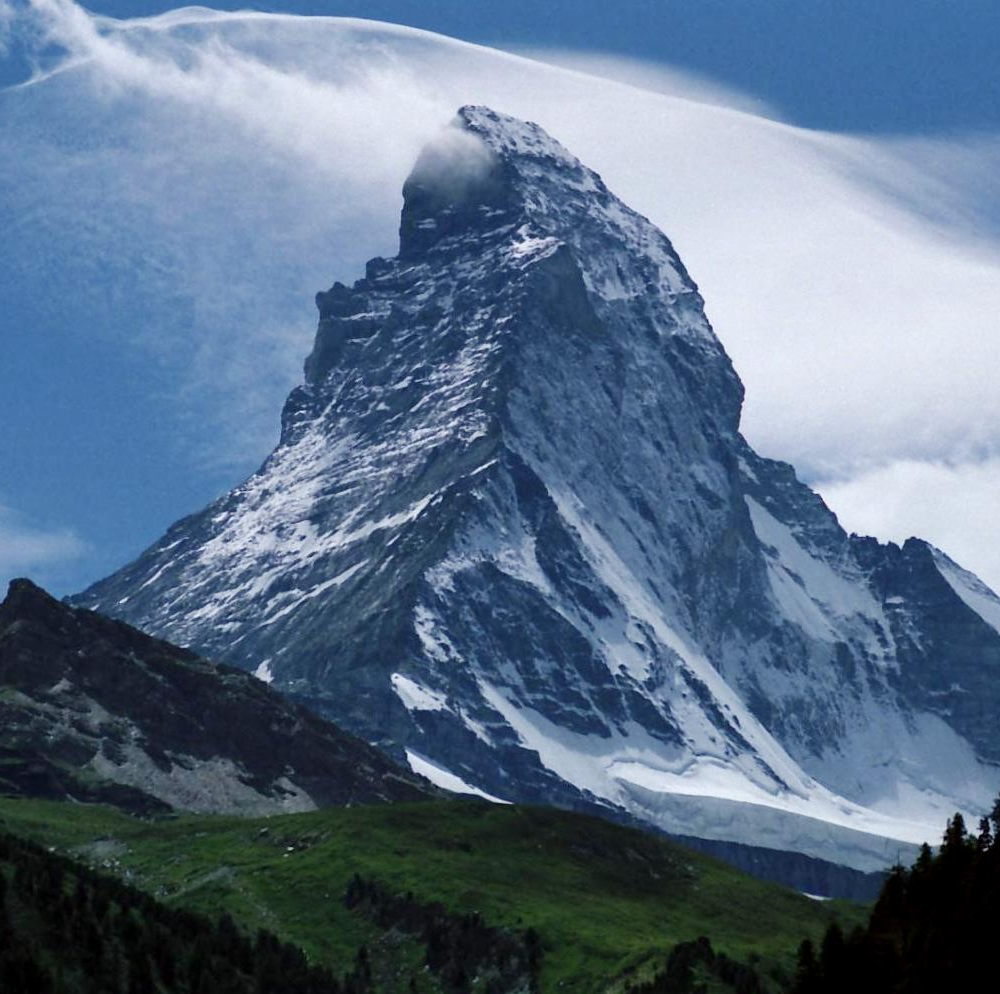
10 Images




Geography and environment
El Paso County occupies a transitional zone between the eastern Great Plains and the Front Range of the Rocky Mountains. The eastern areas are predominantly urban and suburban, while the western reaches rise into foothills and higher mountain terrain. This variety produces a mix of shortgrass prairie, piñon-juniper woodlands, and montane ecosystems that support outdoor recreation, wildlife habitat, and scenic landmarks.
History and development
The county developed in the 19th century as settlement moved westward. Early growth followed transportation routes and mountain passes that connected the plains with mining districts and later with railroad corridors. Over time Colorado Springs grew into a regional center for tourism, commerce, and administration, helping to shape El Paso County's civic institutions and suburban patterns.
Economy and institutions
El Paso County's economy is mixed. Significant employment sectors include government services, defense and aerospace-related activities, health care, education, and tourism. The county hosts important military and federal facilities as well as educational institutions and private employers that contribute to its economic base. Major employers and attractions draw visitors and residents for business, recreation, and cultural events.
Places of interest and civic life
The county contains several well-known scenic and recreational sites, many concentrated near Colorado Springs. Notable destinations and features include:
- Mountain viewpoints and hiking areas around Pikes Peak and nearby ridges.
- Public parks and rock formations that attract hikers, climbers, and tourists.
- Museums, cultural venues, and local festivals that reflect the county's civic life.
Demographics and notable facts
El Paso County blends urban neighborhoods, suburban communities, and rural tracts. Its population growth over recent decades has reflected broader trends of migration to Colorado's Front Range. The county plays an important role in state affairs because of its population size, concentration of services in Colorado Springs, and the presence of regional infrastructure. For more localized information and official resources, see county and municipal sites such as the county seat's portal and related government pages.
Additional background and external references are available through regional guides and official state resources; see also general overviews and maps that cover the county's boundaries, transportation corridors, and natural features (El Paso County, Colorado, United States, county seat, Colorado Springs, Denver).
Related articles
Author
AlegsaOnline.com El Paso County, Colorado Leandro Alegsa
URL: https://en.alegsaonline.com/art/30572