
Ejaculatory duct
A paired duct in the male reproductive tract that transports semen from the seminal vesicles and vas deferens through the prostate to the urethra during ejaculation.
Overview
The ejaculatory ducts are a pair of short ducts in the male pelvis that form part of the male reproductive system. Each duct carries fluid produced upstream to the prostatic urethra and plays an essential role in expelling seminal fluid during the ejaculation process.
Image gallery
8 Images


Anatomy and course
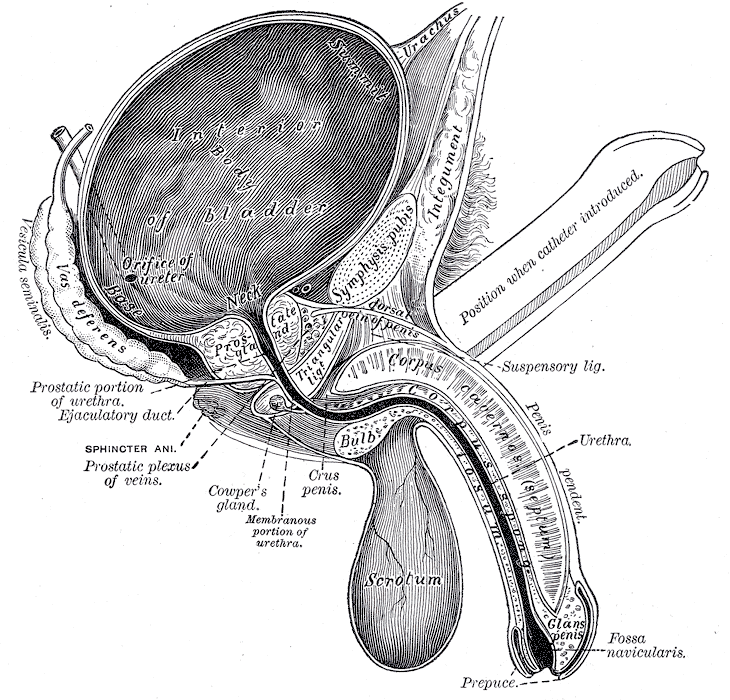
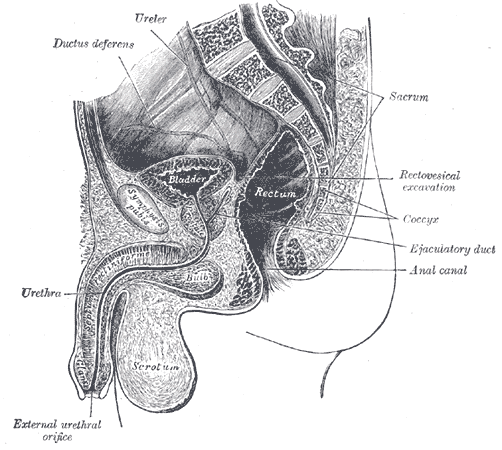
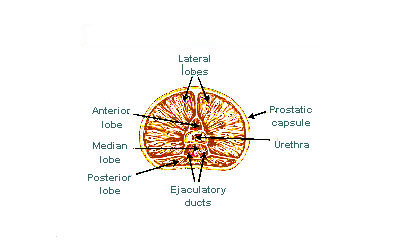
Each ejaculatory duct is formed where the duct from a seminal vesicle joins the distal end of the vas deferens. The ducts run through the substance of the prostate and open into the prostatic urethra. They lie within the context of prostatic anatomy and the surrounding pelvic anatomy, and are typically short and narrow conduits rather than glandular structures.
Function and physiology
During sexual climax the coordinated muscular contractions of the ducts, seminal vesicles and prostate propel semen into and through the urethra. This movement is part of the neural pattern often described as the ejaculatory reflex, which couples emission of seminal fluid with rhythmic contractions that result in expulsion.
Development and variations
Embryologically, the ejaculatory ducts arise from mesonephric (Wolffian) duct derivatives that also form the vas deferens and seminal vesicles. Anatomical variations occur, and ducts can be congenitally narrow, duplicated, or altered by disease or surgery, which may affect their function.
Clinical significance
Pathology affecting the ejaculatory ducts can cause pain, reduced semen volume, blood in semen, or fertility problems. Common issues include obstruction, inflammation, and injury during prostatic procedures. Diagnosis typically involves imaging or endoscopic evaluation, and treatment ranges from conservative care to targeted endoscopic or surgical intervention.
Notable points
- There are two ejaculatory ducts, one on each side.
- They connect the seminal vesicles and vas deferens to the prostatic urethra.
- Because they are short and intraprostatic, they are affected by both prostatic disease and pelvic surgery.
Related articles
Author
AlegsaOnline.com Ejaculatory duct Leandro Alegsa
URL: https://en.alegsaonline.com/art/30519