
Embioptera (webspinners): silk-producing insects of the tropics and subtropics
Embioptera, commonly called webspinners, are small insects that produce silk from glands in their front legs, build gallery shelters, and are mostly tropical; they have a fossil record dating back to the Jurassic.
Overview
Embioptera, commonly known as webspinners, are a distinctive order of insects notable for their ability to produce silk from specialized structures on their front legs. Members of this group are generally small, secretive, and most diverse in tropical and subtropical regions. They belong to the winged insects, or Pterygota, and are of interest to entomologists because of their unusual silk-producing anatomy and social habits.
Image gallery
10 Images


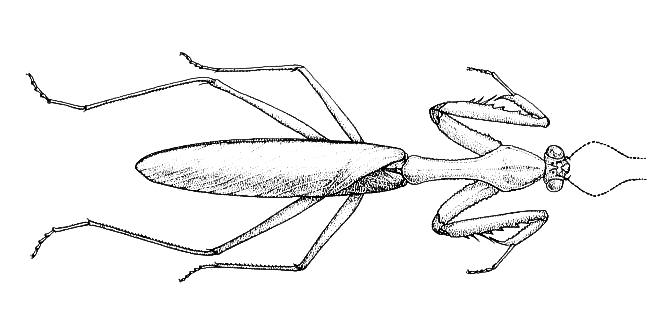

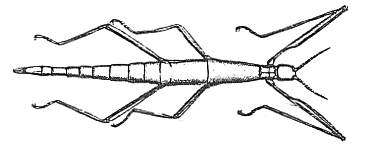
Key characteristics
- Silk production: Silk glands are housed in the tarsal segments of the forelegs; individuals spin tubes and galleries of silk for shelter and movement.
- Sexual dimorphism: Adult males are often winged and short-lived, while females typically remain wingless and more robust.
- Diet and habitat: Most feed on detritus such as leaf litter, moss, algae, lichen and fungal films on bark.
- Behavior: Many species live gregariously within silk galleries that can cover bark, stones or leaf litter.
Behavior and ecology
Webspinners construct and maintain extensive networks of silk galleries which serve several functions: protection from predators and desiccation, microclimate control, and a foraging arena. Their lifestyle is largely nocturnal; they move through their silk tunnels to find food and may repair or extend galleries continuously. Some species show maternal care, with females guarding eggs and young nymphs for a period after hatching.
History and evolution
Fossil remains and specimens preserved in amber indicate that embiopterans have an ancient origin, with representatives known from the Jurassic and a strong presence in Cretaceous amber. Their long fossil history shows that the silk-producing habit is an established and successful adaptation. Modern taxonomic treatments place them as a separate order, Embioptera, recognized for its unique morphology and behavior.
Human interactions and distribution
Although primarily tropical, some species appear occasionally in temperate regions, usually as accidental stowaways on transported goods or plant material. Trade and cargo movements have been implicated in such introductions; specimens and live individuals are sometimes carried in shipping containers or agricultural shipments (cargo transport). Webspinners are not pests in the usual sense, but their presence can be a curiosity or a concern when they arrive outside their native range.
Notable facts and distinctions
Compared with other silk-producing arthropods, embiopteran silk is produced from the legs rather than abdominal glands. The order remains relatively small in terms of species diversity and is often overlooked because of its cryptic habits. For researchers, webspinners offer insight into convergent evolution of silk use and the variety of ways insects can exploit silk for shelter and survival.
Questions and answers
Q: What are Embioptera?
A: Embioptera are an order of insects commonly known as webspinners.
Q: Which subclass do webspinners belong to?
A: Webspinners belong to the subclass Pterygota.
Q: When did the group of webspinners first appear?
A: The group of webspinners first appeared during the Jurassic era.
Q: From what structures do webspinners spin silk?
A: Webspinners spin silk from structures on their front legs.
Q: What do webspinners use silk for?
A: Webspinners use silk to make a web-like pouch or gallery in which they live.
Q: What do webspinners feed on?
A: Webspinners feed on leaf litter, moss, bark, and lichen.
Q: How do webspinners arrive in temperate countries?
A: Webspinners usually arrive in temperate countries as passengers on cargo.
Related articles
Author
AlegsaOnline.com Embioptera (webspinners): silk-producing insects of the tropics and subtropics Leandro Alegsa
URL: https://en.alegsaonline.com/art/31072
Sources
- bbc.co.uk : bbc.co.uk/news/science-environment-47335931