
Electroreception: how animals detect electrical fields
Electroreception is a biological sense allowing animals to detect electric fields. It occurs widely in aquatic species and in some terrestrial groups and supports hunting, navigation and communication.
Electroreception is the biological ability of certain animals to sense weak electric fields produced by other organisms or by objects in the environment, including man-made sources such as electrical equipment. It is most common in water because water conducts electricity far better than air, which makes electric signals travel farther and be more reliable. Nevertheless, a few terrestrial or semi-terrestrial species also demonstrate electroreceptive capabilities, for example the monotremes such as the echidnas, and some insects like cockroaches and bees.
Image gallery
10 Images


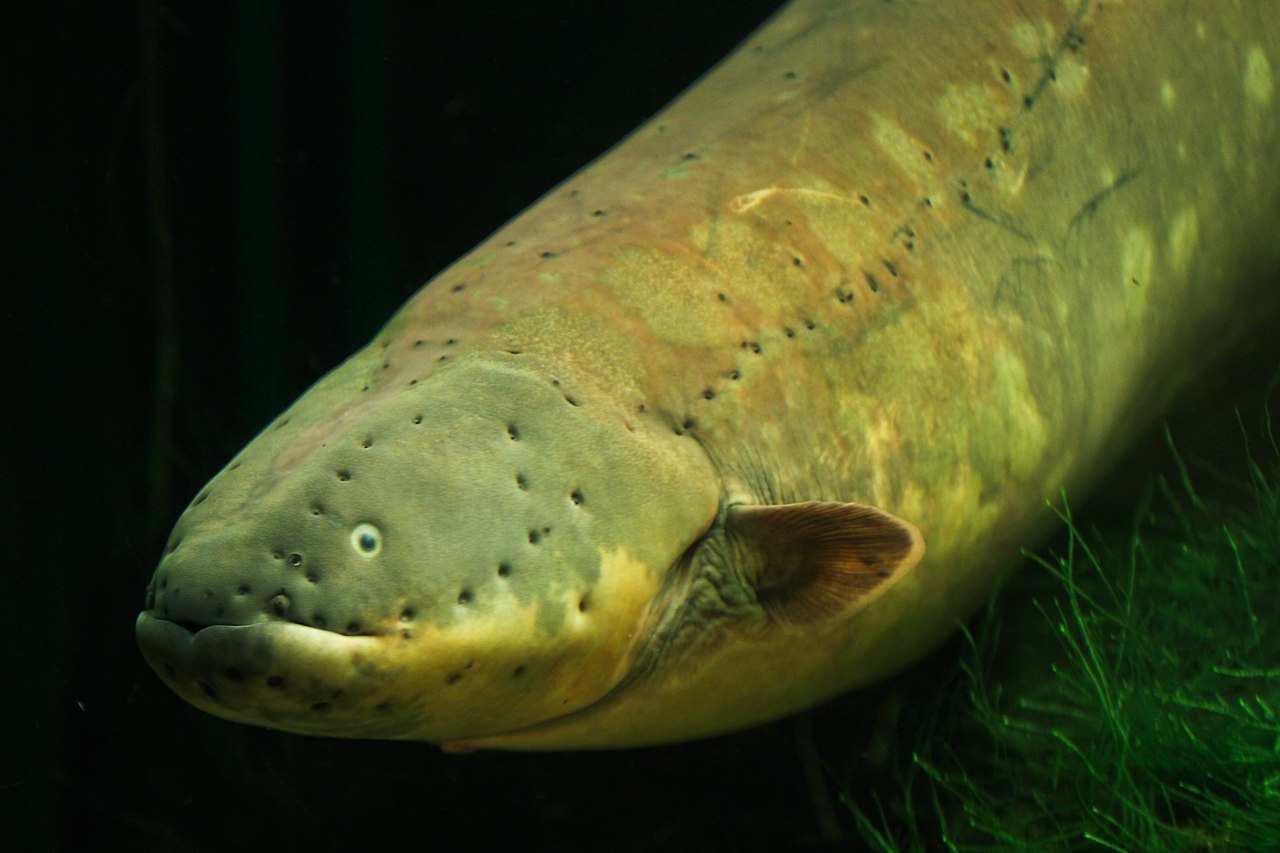


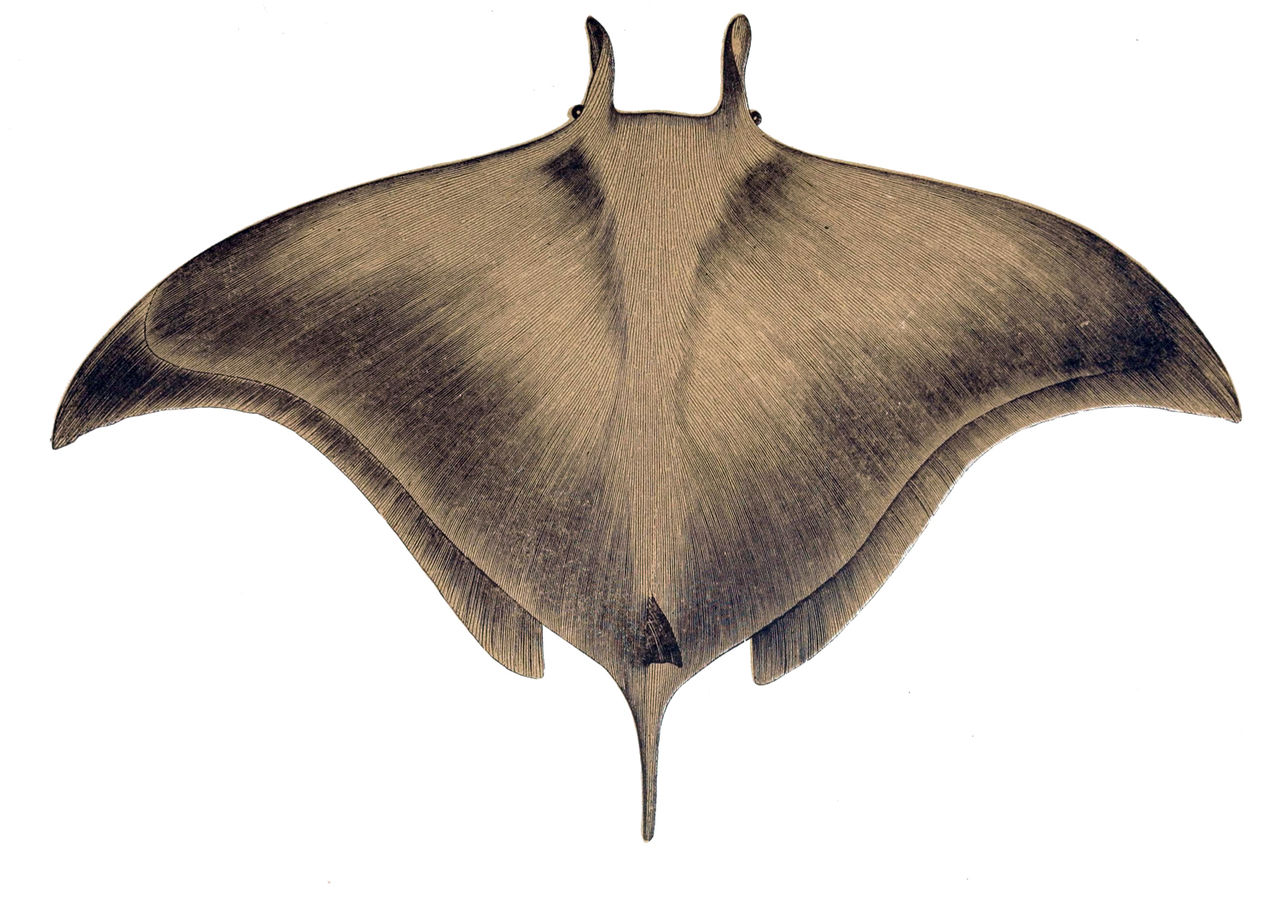
Mechanisms and receptor types
Sensory structures that detect electric fields vary among groups. In cartilaginous fishes (sharks and rays) specialized jelly-filled canals called ampullae of Lorenzini connect the skin surface to sensory cells and are tuned to low-frequency fields. In many freshwater fishes, electroreceptors derive from the lateral line system and take the form of ampullary or tuberous organs. Tubular (tuberous) receptors typically respond to high-frequency self-generated fields used in active sensing, while ampullary receptors detect slower, passive bioelectric cues such as those produced by muscle activity.
Active versus passive electrolocation
Electroreception operates in two broad modes. In passive electrolocation, animals detect electric fields produced by other organisms or by environmental phenomena; sharks and other predators use this to find prey hidden under sediment or in low-visibility water. In active electrolocation, animals generate a weak electric field and sense perturbations caused by nearby objects; many so-called electric fishes (for example, weakly electric knifefish and mormyrids) use this for navigation, object detection, and social signaling. Active systems can also encode information about the size, shape, and conductivity of objects close to the body.
Examples of electroreceptive taxa include elasmobranchs (sharks and rays), several groups of bony fishes that evolved electric organs, amphibians in some life stages, and certain mammals and insects. Aquatic environments favor electroreception because ionic conductivity enables reliable field propagation; amphibious and terrestrial exceptions typically exploit either moisture, substrate conduction, or very near-field electric effects.
Electroreception has evolved independently multiple times across vertebrates and invertebrates, an example of convergent evolution that highlights the sensory advantage provided by electric cues in obscured or complex habitats. Its biological roles extend beyond prey detection to include orientation, schooling coordination, mate selection, and communication through modulated electric signals.
Research into electroreception informs biomimetic sensors and underwater robotics by offering models for low-power, short-range detection systems capable of operating in turbid conditions. For an overview of comparative studies and taxonomic distribution, see resources on electrical sources and aquatic sensory systems, and consult specialist reviews linked from general summaries such as those for aquatic life (aquatic) and transitional species (amphibious).
- Animals that use electroreception include sharks, rays, electric fishes, and monotremes.
- Echidnas and the platypus show specialised electroreceptive adaptations in the snout/bill.
- Insects such as bees exploit near-field electric cues when foraging.
Understanding electroreception clarifies how sensory systems adapt to ecological constraints and has practical implications for designing sensors that work where vision and sound are limited. For targeted studies, follow reviews and experimental papers indexed by specialist databases and summaries available through the linked categories above.
Questions and answers
Q: What is electroreception?
A: Electroreception is the ability of animals to sense electrical sources.
Q: Where is electroreception mostly found?
A: Electroreception is mostly found in aquatic or amphibious animals.
Q: Why is electroreception mostly found in aquatic or amphibious animals?
A: It is mostly found in aquatic or amphibious animals because water helps the signals travel better than air.
Q: Are there any exceptions to electroreception being mostly found in aquatic or amphibious animals?
A: Yes, the echidnas, cockroaches and bees are exceptions.
Q: What is electroreception used for?
A: Electroreception is used in electrolocation.
Q: Do all animals have electroreception?
A: No, not all animals have electroreception.
Q: Is electroreception exclusive to animals?
A: Yes, electroreception is exclusive to animals.
Related articles
Author
AlegsaOnline.com Electroreception: how animals detect electrical fields Leandro Alegsa
URL: https://en.alegsaonline.com/art/30764
Sources
- mapoflife.org : "Electroreception in fish, amphibians and monotremes"
- doi.org : 10.1163/157075604323010024