
Embalming: purpose, methods, history, and cultural considerations
Concise encyclopedia entry on embalming: goals, common techniques and chemicals, historical development, cultural and religious views, safety and environmental issues, legal consent, and alternatives.
Overview
Embalming is the intentional treatment of a dead body to delay decomposition and to present remains for viewing or transport. It commonly involves chemical preservation, disinfection, and cosmetic restoration carried out by trained professionals. For basic definitions and related topics see preserving a dead body, or public display such as lying in state, and arrangements for a funeral. Embalming has similarities with ancient mummification practices by various ancient cultures, but differs from taxidermy, which preserves skins rather than whole soft tissues; see also skin in comparative contexts.
Image gallery
9 Images




Common methods and materials
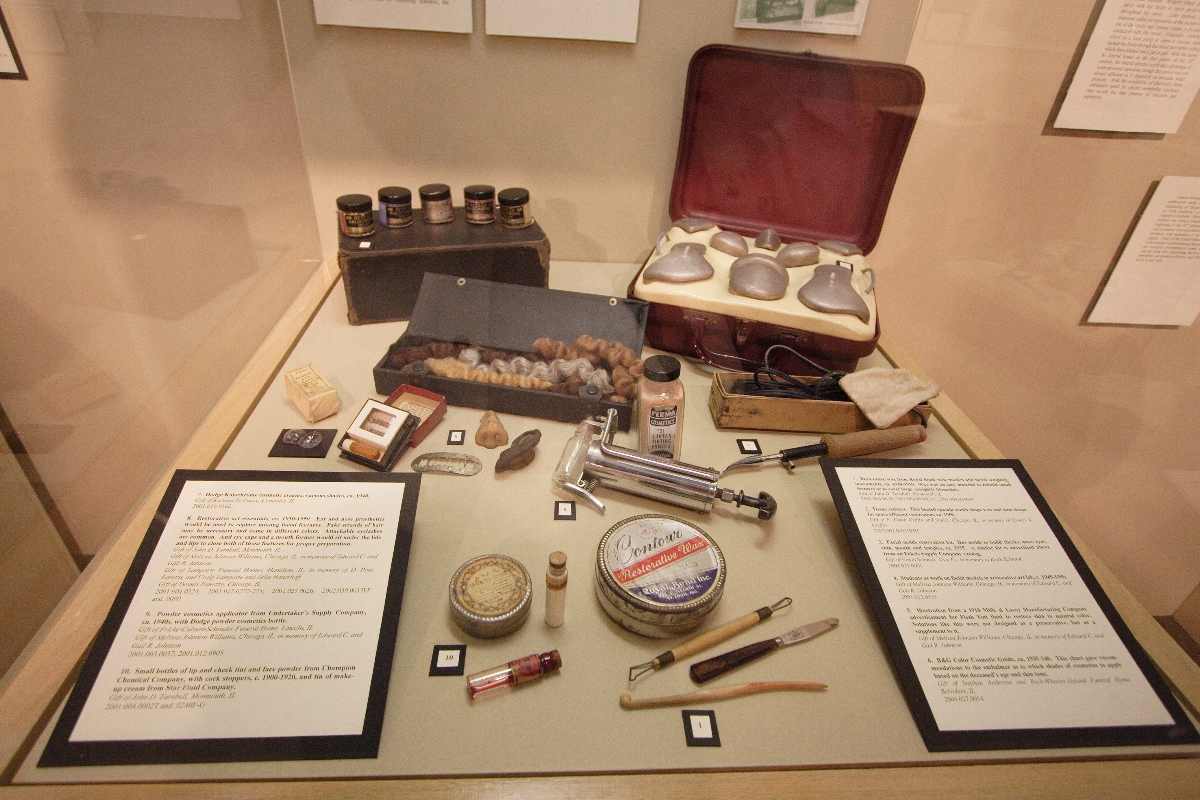
Modern embalming typically uses arterial injection to distribute preservative fluid through the circulatory system after draining blood. Practitioners may perform cavity embalming to treat internal organs, use topical agents for wounds, and apply cosmetics and restorative modeling to improve appearance. Formaldehyde-based solutions have been widely used for their preservative and disinfectant properties, though alternatives and modified formulas exist. Proper technique, drainage, and concentration are important to achieve temporary preservation suitable for viewing or delayed burial.
History and development
Preserving the dead has been practiced in many cultures. Procedures that resemble modern embalming developed gradually; in the modern era, advances in chemistry, antisepsis, and surgical technique made systematic embalming more practical. In some countries the practice became common to allow transport of remains over long distances or for public ceremonies. Methods and regulations have evolved alongside occupational safety and environmental awareness.
Cultural, religious, and legal perspectives
Attitudes toward embalming vary. Some religious traditions discourage or forbid it unless required by civil law or public-health reasons; others permit or expect it for particular rites. Many jurisdictions require consent, set training standards for practitioners, and regulate the use and disposal of embalming chemicals. Families and professionals must consider religious wishes, legal requirements, and practical needs when making decisions.
Safety, environment, and alternatives
- Occupational safety: embalmers use personal protective equipment, ventilation, and training to limit exposure to toxic chemicals.
- Environmental concerns: common preservatives are regulated because of potential toxicity; disposal of fluids and embalmed remains is subject to local rules.
- Alternatives: refrigeration, alkaline hydrolysis (water-based reduction), and natural or "green" burial options are increasingly available and may be chosen for ecological or religious reasons.
Distinctions and practical notes
- Embalming versus mummification: modern embalming usually provides temporary preservation and cosmetic preparation; mummification aimed at long-term desiccation and preservation by different processes.
- Embalming versus taxidermy: taxidermy preserves skins for display; embalming preserves a whole human body for viewing or burial.
For technical, legal, or regional guidance consult licensed professionals, funeral-service associations, and applicable regulations. Additional introductory resources and historical studies can be found through professional organizations and university collections; for basic topics see links above and related specialist literature.
Questions and answers
Q: What is embalming?
A: Embalming is the process of preserving a dead body to prevent it from decomposing.
Q: Why is embalming important?
A: Embalming is important because it prevents a dead body from decaying and allows it to be on display for a funeral or other public viewings.
Q: How does embalming differ from mummification?
A: Embalming is similar to mummification, which ancient peoples did to dead bodies, but embalming involves a different process using different materials.
Q: What happens if a body is not embalmed?
A: If a body is not embalmed, it will start to decay very quickly.
Q: What is taxidermy?
A: Taxidermy is the process of preserving an animal’s skin, but it differs from embalming in that the entire body is not preserved.
Q: Why is taxidermy different from embalming?
A: Taxidermy is different from embalming because it only involves preserving the skin of an animal, whereas embalming involves preserving the entire body of a human.
Q: When is embalming typically done?
A: Embalming is typically done when a body will be on display, such as during a funeral or public viewing.
Related articles
Author
AlegsaOnline.com Embalming: purpose, methods, history, and cultural considerations Leandro Alegsa
URL: https://en.alegsaonline.com/art/31064
Sources
- doi.org : 10.1111/joa.12160
- books.google.com : Murdering to Dissect: Grave-robbing, Frankenstein, and the Anatomy Literature
- gutenberg.org : Authentic narrative of the death of lord Nelson
- video.nationalgeographic.com : "Embalming"
- everplans.com : "Religious Perspectives on Embalming"