
EEPROM: Electrically Erasable Programmable Read-Only Memory
EEPROM is a non-volatile memory technology that can be electrically erased and reprogrammed at the byte level; commonly used for system settings, microcontrollers, smart cards and small-data storage.
EEPROM (electrically erasable programmable read-only memory) is a class of non-volatile semiconductor memory that retains stored information without power. Unlike mask ROM or one-time programmable devices, EEPROM can be erased and rewritten electronically. It is widely used where small amounts of persistent data must be updated occasionally—examples include system configuration, calibration values, device identifiers and security credentials.
Image gallery
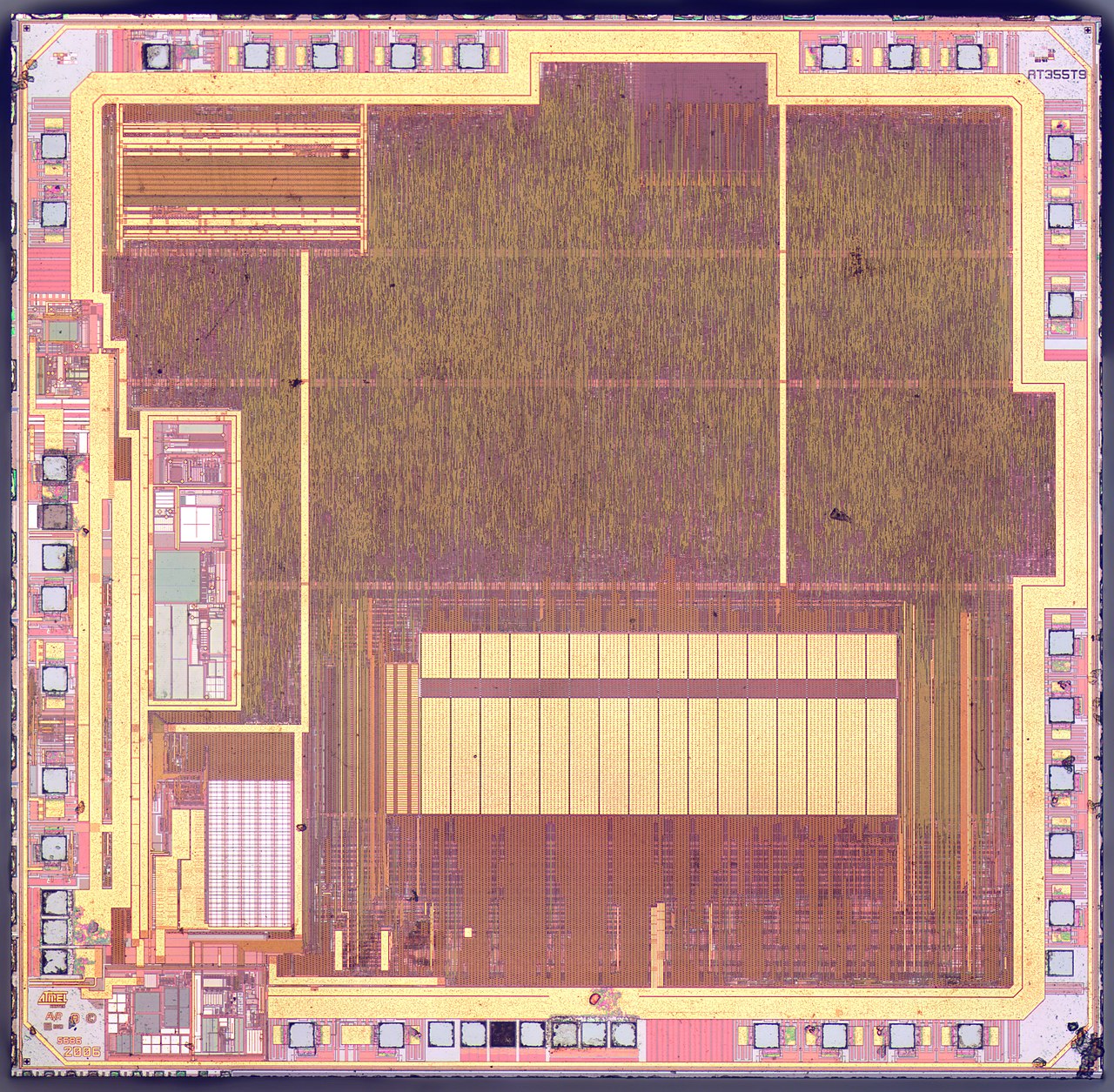
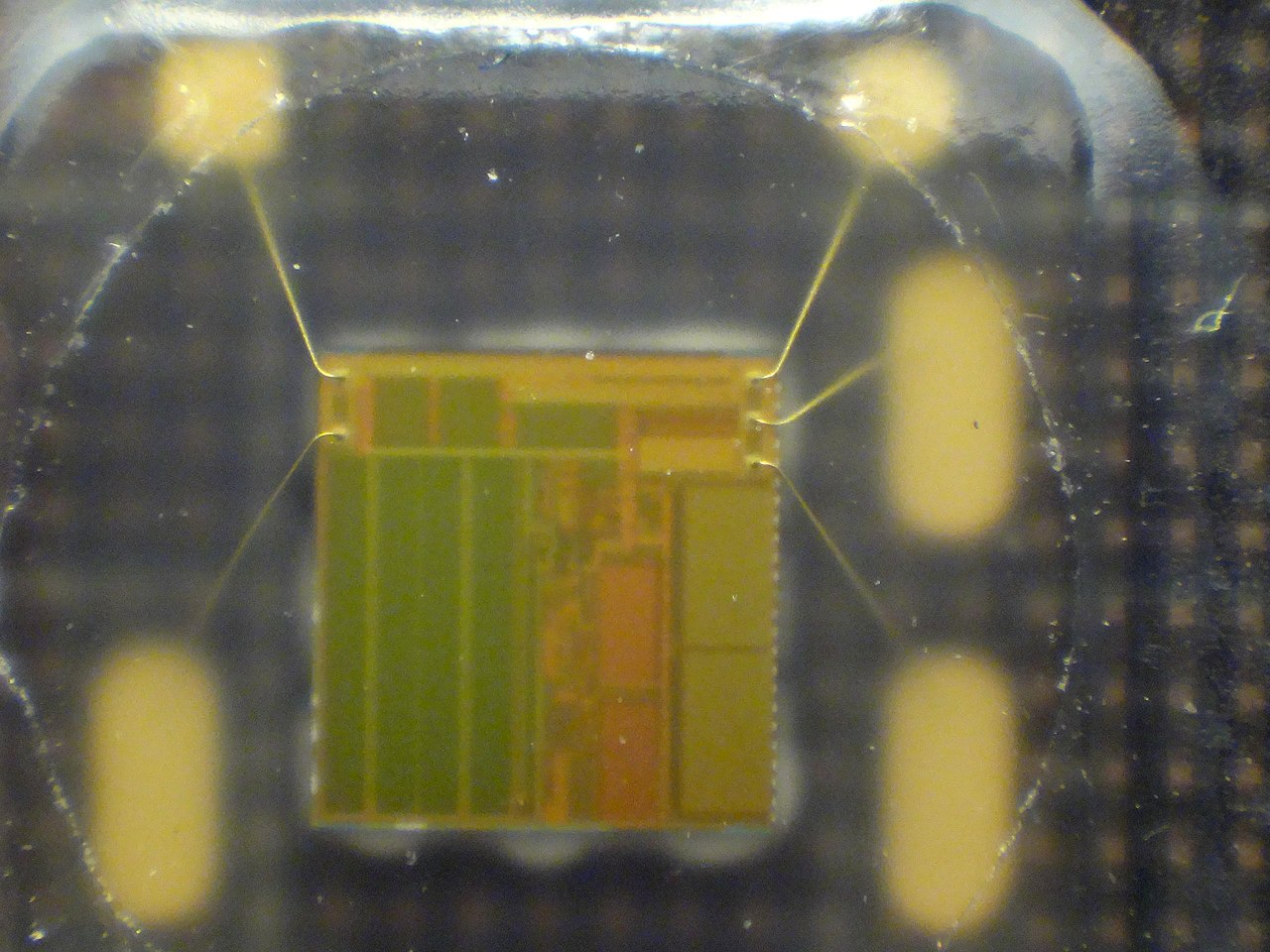
6 Images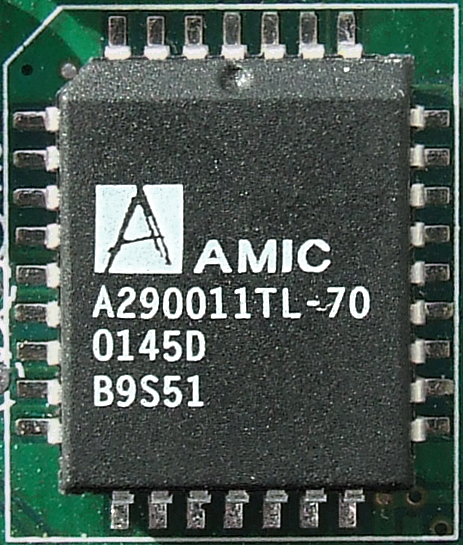



How it works and main characteristics
EEPROM cells typically use a floating-gate transistor to hold charge that represents a bit. Programming and erasure alter the charge on that gate using higher-than-normal voltages or currents; read operations use normal logic-level sensing and are fast compared with writes. Key characteristics include byte-addressability (many EEPROMs allow writing individual bytes), non-volatility, finite endurance (limited number of write/erase cycles), and long data retention when not being rewritten.
Types and technical distinctions
- Byte-programmable EEPROM: can update individual bytes or small groups, convenient for storing configuration or few variables.
- Serial vs. parallel: serial EEPROMs use interfaces such as I2C or SPI and are compact and economical; parallel EEPROMs connect multiple data lines and were more common in older systems.
- EEPROM vs. Flash: Flash memory is a related technology optimized for larger blocks and cheaper cost per bit. Flash is erased in blocks rather than bytes, so EEPROM remains preferable when frequent small updates are required.
History and development
EEPROM evolved from earlier erasable memories that required ultraviolet light (EPROM). The ability to erase and reprogram electrically made EEPROM more practical for many embedded applications. Flash memory later emerged as a higher-density, lower-cost alternative for bulk storage, while EEPROM retained a niche for small, frequently updated data stores. Over decades, manufacturing improvements reduced cost and improved endurance and retention.
Common uses and examples
Typical uses include storing BIOS and firmware configuration settings, small non-volatile logs, device serial numbers, encryption keys and smart card data. EEPROM is embedded in microcontrollers and appears in consumer electronics, industrial controllers, smart cards and remote keyless entry systems. For general memory context, see memory types and references for computing systems storage.
Smart cards and security tokens often employ EEPROM for mutable secure fields; for industry-specific implementations, see sources on smart cards here and remote keyless systems here. Designers must plan for limited write cycles and may implement wear leveling, error detection or redundancy when updates are frequent. Despite competition from flash and other non-volatile memories, EEPROM remains valuable where reliability, byte-level updates and data retention are required.
Related articles
Author
AlegsaOnline.com EEPROM: Electrically Erasable Programmable Read-Only Memory Leandro Alegsa
URL: https://en.alegsaonline.com/art/30329