
Remote keyless system: overview, types, operation and security
Description and explanation of remote keyless systems: how they work, components, common uses in vehicles and buildings, types, security issues and practical mitigations.
Overview
A remote keyless system allows authorized users to lock, unlock or otherwise access a vehicle or building without inserting a mechanical key. Such systems use wireless signals between a portable transmitter (key fob or smart token) and a receiver installed in the vehicle or door, improving convenience and enabling features like remote start, trunk release and proximity unlocking.
Image gallery
1 Image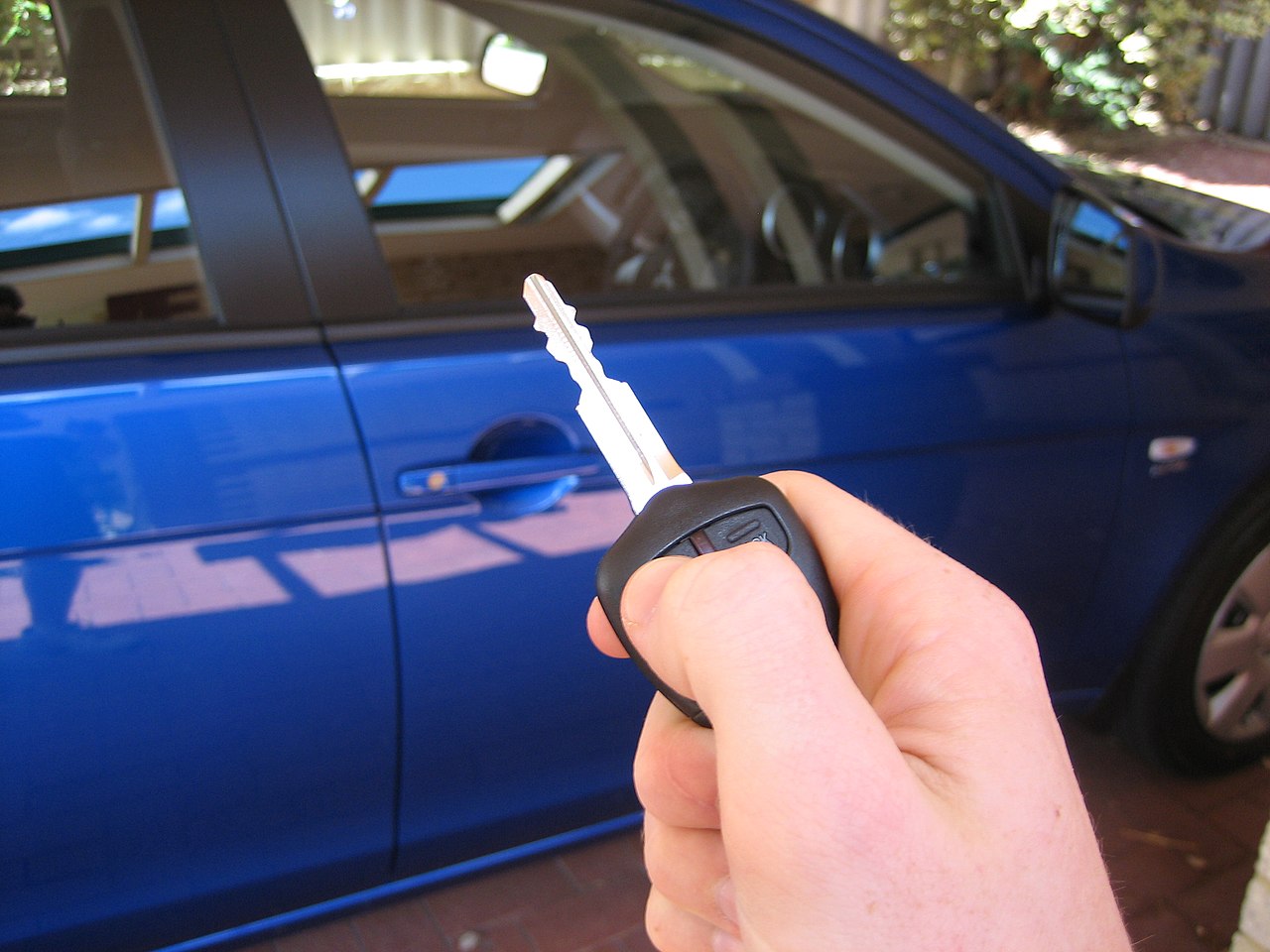
Main components and operation
A typical system combines several elements: a battery-powered transmitter, a receiver and controller, and an authentication protocol. When a button is pressed or a user approaches, the transmitter sends a radio or short-range signal. The receiver verifies the code or challenge response and then activates the lock actuator or access control mechanism. Modern systems often use rolling codes, cryptographic challenges, or encrypted exchanges to prevent simple replay attacks.
Types and variants
Remote keyless systems range from basic key fobs that send a fixed or rotating code to more advanced passive or proximity systems that unlock automatically when an authenticated device is nearby. Systems may integrate with mobile apps, biometric elements, or vehicle networks to offer additional functions such as personalized settings or remote diagnostics.
Uses and benefits
Remote keyless entry is most widely known in automobiles but is also common in residential and commercial access control, garage openers and gated communities. Benefits include convenience, faster access, reduced wear on mechanical locks, and the ability to combine access with other remote services.
Security considerations
While convenient, remote keyless systems face threats such as relay attacks, signal interception, jamming and device theft. Systems that rely on weak fixed codes are particularly vulnerable. Manufacturers and users mitigate risks through stronger cryptography, rolling codes, short transmission windows and firmware updates. Practical user steps include keeping devices in a Faraday-style pouch, disabling passive unlock where possible, and following manufacturer guidance available from security best practices.
Practical advice and further reading
Owners should register and update systems as recommended, replace fob batteries periodically, and be cautious about aftermarket devices. For technical specifications or product details consult the manufacturer or installer resources such as manufacturer information. Understanding the balance between convenience and security helps users choose settings that match their risk tolerance and needs.
Related articles
Author
AlegsaOnline.com Remote keyless system: overview, types, operation and security Leandro Alegsa
URL: https://en.alegsaonline.com/art/82086