
Electronic system
An electronic system uses electrical energy to manipulate signals or data. This article explains core components, typical functions, brief development history, common applications and key distinctions.
Overview
An electronic system is any assembly of interconnected components that operates on electrical energy to receive, process and deliver signals, information or control actions. Such systems convert inputs — which can be electrical signals, sensor readings or user commands — into useful outputs like processed data, actuation signals or visual displays. They form the backbone of modern devices from simple calculators to complex communication networks.
Image gallery
5 Images


Key components and characteristics
Most electronic systems include several recurring elements:
- Power source: supplies the required electrical energy; many systems are powered by mains, batteries or energy-harvesting modules. Learn more about power.
- Sensors and inputs: capture data from the environment or user interfaces.
- Processing units: analogue circuits, microcontrollers or processors that manipulate signals and data. Processing and information.
- Output stages: displays, motors, transmitters or storage that present the system's results.
- Interconnects and software: protocols, firmware and wiring that coordinate component interaction and workflow.
History and development
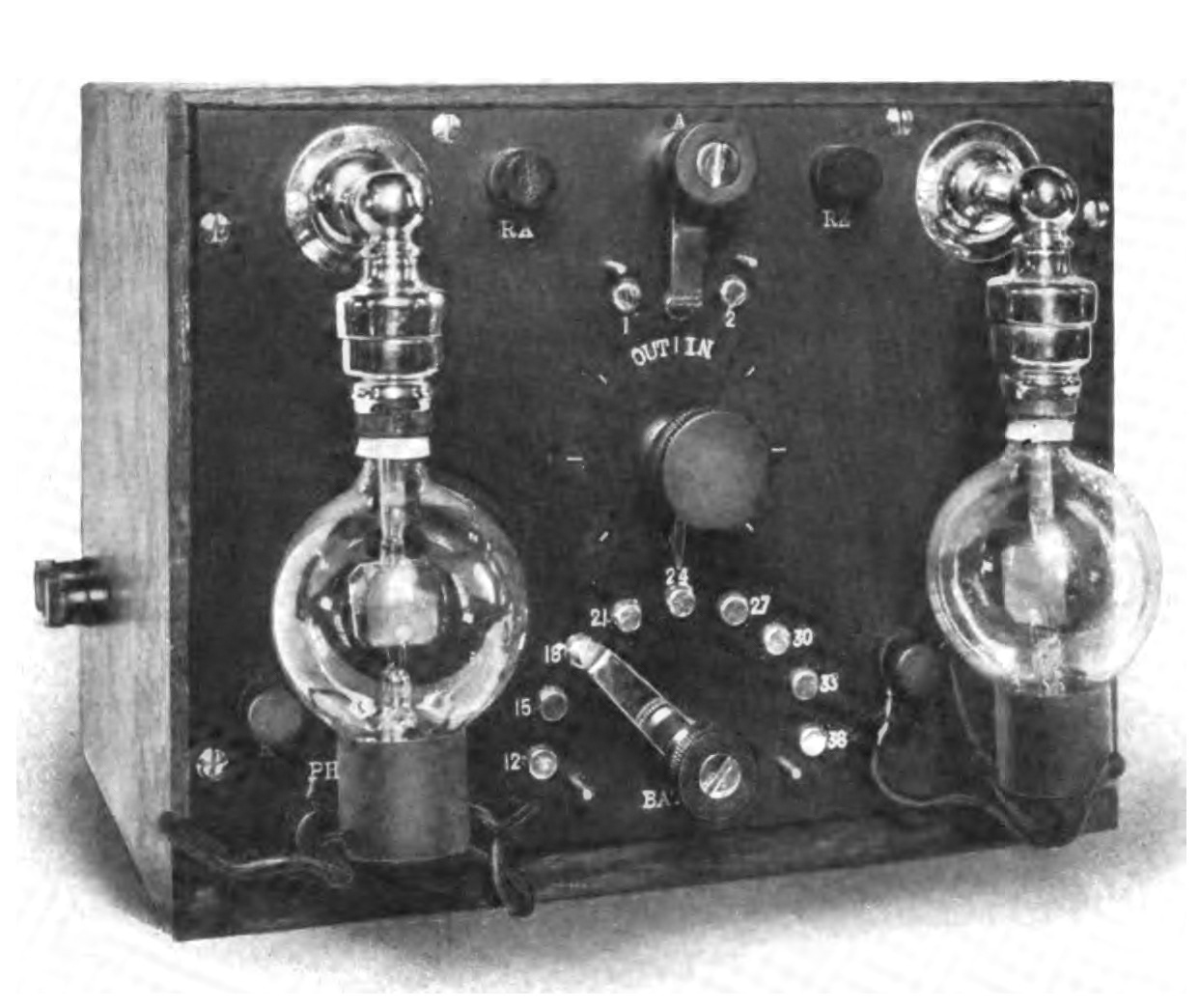
Electronic systems evolved from early vacuum tube assemblies to transistorized and integrated-circuit designs, enabling dramatic reductions in size, cost and power consumption. Advances in semiconductor technology, digital logic and software have steadily broadened capability, allowing systems to handle greater data volumes and more complex control tasks.
Applications and examples
Electronic systems appear across consumer electronics, industrial automation, medical devices, telecommunications and transportation. Examples include embedded controllers in appliances, signal processors in radios, microcontroller-based sensors in industrial monitoring, and data-acquisition systems that transform raw inputs into actionable information. They often process both analogue and digital inputs or even physical raw materials converted to electrical signals. Inputs and raw materials.
Distinctions and notable facts
Electronic systems differ from purely electrical systems in that they emphasize signal processing and information handling rather than only power distribution. They may be classified as analogue, digital or mixed-signal, and as open-loop or closed-loop (control) systems. Reliability, electromagnetic compatibility and safety are key design concerns when deploying electronic systems in real-world environments.
Related articles
Author
AlegsaOnline.com Electronic system Leandro Alegsa
URL: https://en.alegsaonline.com/art/30754