
Electronic component
Basic device used to build electronic circuits; includes passive and active parts, discrete items and integrated circuits, with roles, packaging, history, and common examples.
An electronic component is a discrete device or physical object used to influence electric currents or fields in an electronic circuit. Components are the building blocks of circuits: when joined together they form functional assemblies such as amplifiers, power supplies, sensors and digital systems. In casual usage a component may be a single piece like a resistor or a transistor or a compact group of elements packaged together as an integrated circuit.
Image gallery
10 Images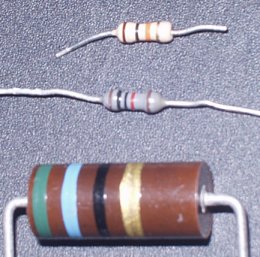




Characteristics and packaging
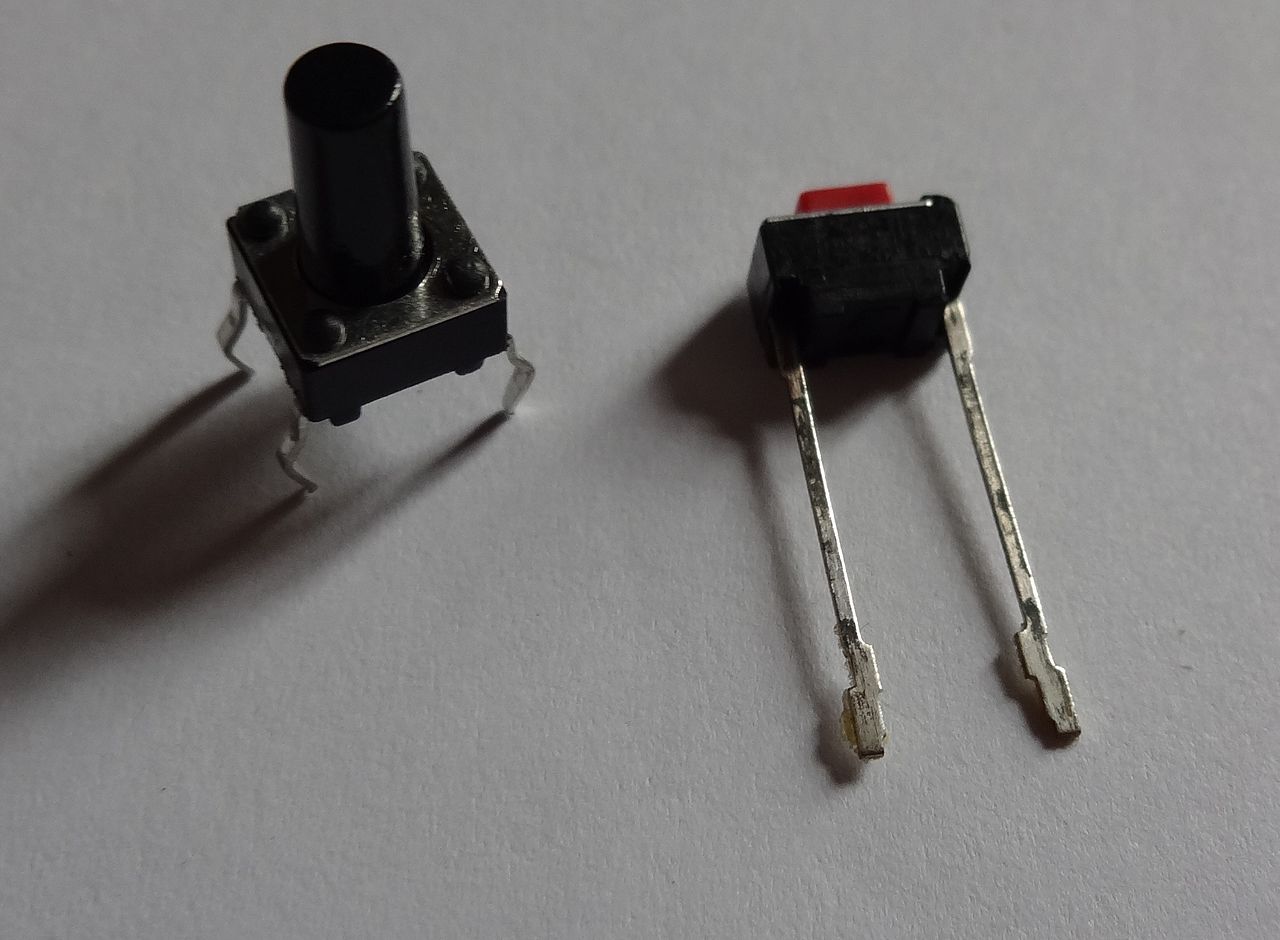
Components are specified by electrical ratings and mechanical properties: voltage, current, power dissipation, tolerance, frequency response and temperature range are common parameters. They come in many physical forms. Through-hole parts have leads that pass through a circuit board; surface-mount parts sit on pads; and larger electromechanical parts such as relays or connectors are bulkier. Schematic symbols and standardized footprints help designers place and connect components to create reliable circuits.
Types and common examples
Practically all components fall into a few broad categories:
- Passive components — resistors, capacitors and inductors, which store or dissipate energy without gain.
- Active components — devices such as diodes and transistors that can control current flow and provide amplification.
- Integrated circuits — chips that contain many components and functions in a single package, from simple logic gates to complex microcontrollers.
- Electromechanical and interconnects — switches, connectors and relays that provide mechanical or user interfaces.
History and development
Early electronic systems relied on vacuum tubes and discrete passive parts. The invention of the transistor in the mid-20th century and the later development of monolithic integrated circuits transformed design, allowing orders of magnitude more functionality in smaller volumes. Manufacturing techniques advanced from hand assembly to automated surface-mount assembly, reducing cost and enabling the dense modern electronics found in consumer, industrial and medical equipment.
Uses, significance and examples
Electronic components are used wherever electrical signals or power must be controlled. A simple radio uses resistors, capacitors and transistors; a power inverter uses diodes and inductors; a microcontroller-based device contains many integrated components on a circuit board. A few examples: a resistor limits current, a capacitor stores charge temporarily, and a light-emitting diode indicates status. Designers choose parts based on function, reliability and cost to meet system requirements.
Distinguishing facts and practical notes
When selecting components engineers consider compatibility, availability and long-term support. Discrete components are still essential for repair and education, while integrated assemblies save space and improve consistency. Learning to read component markings, datasheets and symbols is fundamental to electronics. For further general introduction see a basic reference on the subject of an electronic element and practical circuit construction using standard parts and method guides about circuits.
Additional specialized examples and component arrays illustrate how single parts can be grouped — for instance, a resistor array provides multiple resistors in one package, and packaged logic functions combine gates for compact digital design.
Beyond passive and active distinctions, modern design emphasizes system-level considerations such as power efficiency, signal integrity and manufacturability, reflecting the ongoing evolution from single components to complex, highly integrated electronic systems.
For more focused topics, introductory materials on discrete parts and integrated component families can provide practical guidance and examples for hobbyists and professionals alike; search introductory guides or component catalogs to explore typical specifications and footprints.
Questions and answers
Q: What is an electronic component?
A: An electronic component is a basic electronic element that can be connected together to make circuits.
Q: Can components be single items?
A: Yes, components can be single items, such as a resistor or transistor.
Q: What are integrated circuits?
A: Integrated circuits are more or less complex groups of electronic components, such as a logic gate or resistor array.
Q: What can be made using electronic components?
A: Electronic components can be used to make circuits.
Q: Are all electronic components the same?
A: No, not all electronic components are the same. They can come in various forms and functions.
Q: Can electronic components be used for other purposes besides making circuits?
A: While electronic components are mainly used for making circuits, they can also be used for other purposes within the field of electronics.
Q: Why are electronic components important in technology?
A: Electronic components are important in technology because they are the building blocks of electronic devices and allow for the creation of complex systems.
Related articles
Author
AlegsaOnline.com Electronic component Leandro Alegsa
URL: https://en.alegsaonline.com/art/30742