
Edward the Exile (Edward Ætheling)
English prince, son of King Edmund Ironside; lived most of his life abroad after 1016, returned at Edward the Confessor's request but died soon after in 1057. Father of Saint Margaret and Edgar Ætheling.
Edward the Exile, often styled Edward Ætheling, was a 11th-century English prince born in January 1016. He was the son of King Edmund Ironside and Ealdgyth. After Edmund's defeat and death in 1016, the political settlement under King Cnut removed Edmund's heirs from the English succession and Edward spent most of his life away from England.
Image gallery
1 Image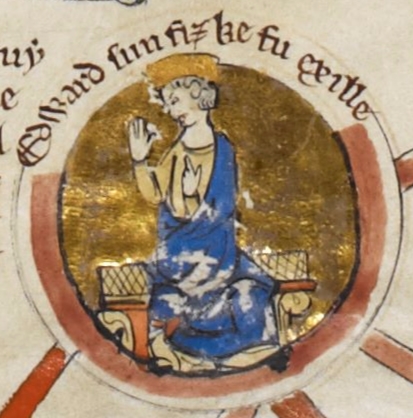
Exile and early life
Contemporary and later sources agree that Edward grew up in exile, but they differ about the route and courts that sheltered him. Some accounts place him for a time in Scandinavia or at courts of the North Sea region; more consistent evidence links him to the Hungarian royal household. The term "Ætheling" marks him as a legitimate royal claimant, which is why his presence abroad retained political significance for several decades.
Life abroad, marriage and children
While abroad Edward married a woman traditionally named Agatha; her precise family origin remains debated by historians and may reflect connections with Central European or Kievan nobility. The marriage produced several children who later played important roles in British and European affairs. Known children include:
- Margaret — later Queen of Scotland and canonized as Saint Margaret.
- Edgar — called Edgar Ætheling, who was a leading English claimant after 1066.
- Christina — recorded in some sources as a daughter who remained involved with religious foundations.
Return to England and death
In 1057, King Edward the Confessor, lacking direct heirs, reportedly invited Edward the Exile to return to England so his royal line might be continued. Edward arrived but died unexpectedly on 19 April 1057, soon after landing. Medieval accounts state he was buried at Old St Paul's in London; the abruptness of his death left his son Edgar as the surviving Ætheling claimant.
Significance and legacy
Although Edward never ruled, his life illustrates the dynastic turbulence of 11th-century England and the international character of its royal networks. His daughter Margaret's marriage into the Scottish royal house shaped Anglo-Scottish relations, and his son Edgar's later claim to the throne made the family central to the events surrounding the Norman Conquest. For further reading on his father and the exile, see introductions at exile and succession studies and other reference entries.
Related articles
Author
AlegsaOnline.com Edward the Exile (Edward Ætheling) Leandro Alegsa
URL: https://en.alegsaonline.com/art/30295
Sources
- commons.wikimedia.org : Edward the Exile